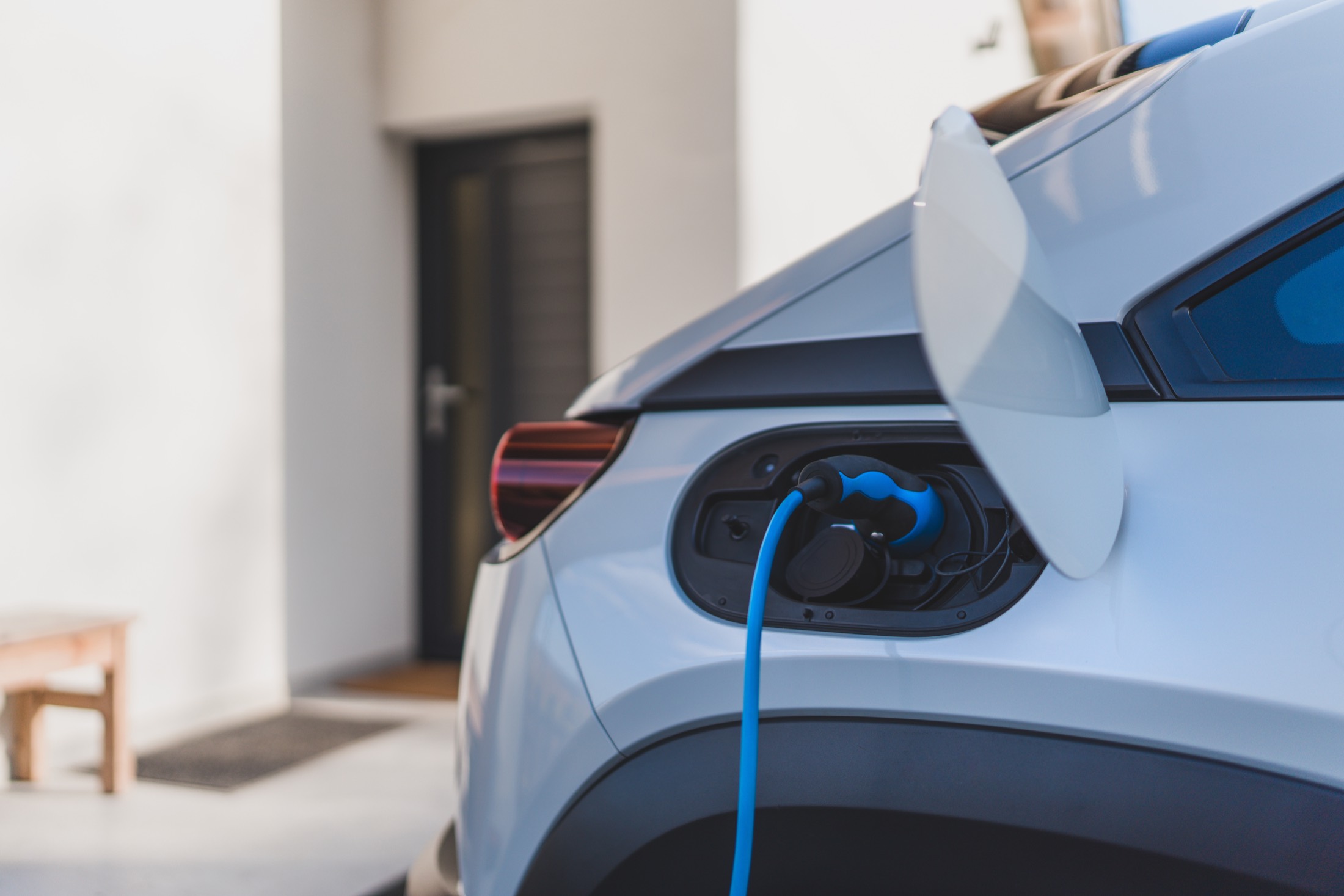
Home EV Charger Installation in Charlotte, NC
Utility rates, rebates, permits and installers
Charge at home overnight. See what a Charlotte install involves, which utility rates and rebates apply, where public chargers are, then get quotes.
Charlotte EV charger at a glance
Utility rules and programs for Charlotte
Duke Energy Carolinas and Union Electric Membership serve Mecklenburg County, so which rules apply depends on your address.
| Utility | Type | EV programs and rates |
|---|---|---|
| Duke Energy Carolinas, LLC | investor-owned | PowerPair pilot (up to $9,000 for solar plus a battery; current availability not confirmed) and battery control bill credits. We found no Duke solar rebate. |
| Union Electric Membership Corp | member-owned cooperative | We found no Union Power rebate information we could read. |
Program details are from each utility’s own pages (read October 2026). See the North Carolina incentives table for statewide credits and a status for every program.
Public charging in Charlotte
Charlotte has 965 public charging ports at 282 locations, 189 of them DC fast (AFDC, October 2026). See the North Carolina EV charging section for the statewide map.
Permits and approvals in Charlotte
- Mecklenburg County Code Enforcement (LUESA): permit information · 980-314-2633
- Mecklenburg County Code Enforcement handles permitting, plan review and inspections for building and electrical work in Charlotte. Permits are applied for through the county’s online system; check the site for solar requirements.
- Check any contractor on the NC State Board of Examiners of Electrical Contractors license search before you sign.
Fees and steps change; confirm with the office before you start. We have not verified timelines for Charlotte.
Costs and savings
We do not have verified installed prices for Charlotte alone. The North Carolina figures above show what to expect; real quotes depend on your home, equipment and installer. Try the EV charging cost calculator, and get at least two written quotes.
Choosing an installer
- License: check the contractor on the NC State Board of Examiners of Electrical Contractors license search and that the license covers this work.
- Quote: ask for an itemized written quote that names the equipment, warranties and who pulls the permit and handles the utility approval.
- Compare: get two or three quotes and compare them line by line, not only the total.
Get EV charger quotes in Charlotte
Tell us about your project in Charlotte. We reply ourselves and match you with a licensed installer who serves your area. It is free, with no obligation, and nothing is shared with an installer unless you choose one.
More for Charlotte
Solar Panel Installation in Charlotte · Home Battery Installation in Charlotte · Backup Generator Installation in Charlotte · Charlotte energy guide · North Carolina energy guide.
Home EV Charger Installation in Charlotte FAQs
How much does a home charger install cost in Charlotte?
Typical U.S. installs run about $800 to $3,000 before the charger (EnergySage), but your panel and wiring decide your price. Get written quotes.
Do I need a special rate plan?
No, but a plan with cheap overnight hours can cut the cost. Duke Energy proposed a $1,000 rebate for a home Level 2 charger, which we could not confirm was approved; ask your utility about EV or time-of-use rates, which usually make overnight charging cheaper.
Do I need a permit for an EV charger in Charlotte?
Usually yes, and the utility may need to approve solar and batteries. Mecklenburg County Code Enforcement (LUESA) handles permits in Charlotte; see the permit information above.
How do I find a licensed installer in Charlotte?
Use the quote button on this page. We reply ourselves and match you with a licensed installer who serves your area; you can check any contractor on the NC State Board of Examiners of Electrical Contractors license search.
Sources: sunshine and climate NASA POWER; hazards FEMA National Risk Index; utility numbers EIA-861 (2024); prices EnergySage (October 2026) and Generac (U.S.); credits IRS and the North Carolina Department of Revenue; permit information from the city or town’s own page; utility programs from each utility’s own pages (October 2026). General information, not financial, tax, legal or electrical advice. See our editorial policy.