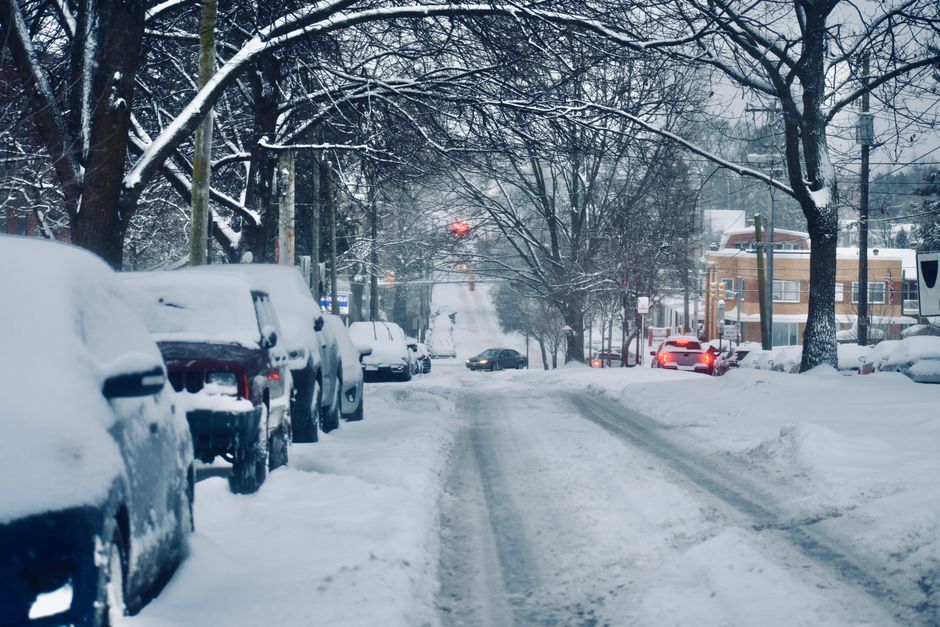
In short: Arkansas power is cheap, about 14.3¢ per kWh in July 2026 and 22% below the U.S. average, but it rose 8% in a year. Outages are the bigger issue: customers lost about 8.5 hours of power in 2024, and FEMA rates ice storms as a very high risk. New solar now earns a low export credit under Act 278.
For most Arkansas homes, that order of priorities is the right one: first keep the lights and heat on through winter storms, then decide whether solar or a battery makes sense under the new rules. This guide works through each choice using Arkansas data, with sources and dates.
Arkansas at a glance
- Home electricity price: 14.33¢/kWh in July 2026 (EIA, preliminary), up from 13.26¢ in July 2025; 13.61¢ average for January to July 2026. U.S. average: 18.31¢ (EIA, July 2026).
- Outages in 2024: 509 minutes per customer including major storm days, 195 minutes without them; 2.1 interruptions per customer, or 1.6 on normal days (EIA-861, 2024).
- Sun: about 4.4 kWh per square meter per day in Little Rock (NASA POWER, 2001–2020), roughly 1,300 kWh per kW of panels per year by our rough estimate.
- Net metering: replaced by net billing for systems that applied after September 30, 2024 (Act 278 of 2023); older systems keep 1:1 net metering until June 1, 2040.
- Plug-in (balcony) solar law: none as of October 2026.
- Electric vehicles: 12,300 battery-electric and 4,900 plug-in hybrid cars through 2025; 1,109 public charging ports at 384 locations, 289 of them DC fast (AFDC, October 2026).
- Main utilities: Entergy Arkansas (about 43% of customers), Southwestern Electric Power Co. (8%), and the Carroll Electric and First Electric cooperatives (6% each) (EIA-861, 2024).
- Top weather hazards: ice storm rated very high; winter weather and tornado relatively high; cold wave, heat wave and strong wind relatively moderate (FEMA National Risk Index, December 2025).
- Wildfire shutoffs: Entergy says it may switch off lines where a severe wildfire threat exists; there is no branded PSPS program like those in the West.
Backup power in Arkansas
Arkansas customers lost an average of 509 minutes of power in 2024, and even on ordinary days the figure was 195 minutes, well above a state like Arizona. The big swings come from winter. FEMA’s risk index puts ice storms at the very top of Arkansas’s list: ice brings down limbs and lines across wide areas at once, and repairs take time precisely when homes need heat. Tornadoes and severe winter weather add to it.
For an outage that may last days in freezing weather, think about heat first:
- Gas furnace or heat pump: a furnace needs only a few hundred watts for its blower and controls, so a moderate portable generator on a transfer switch, or a home battery, can keep it running. A heat pump or electric furnace needs much more power, usually a standby generator.
- Well pump and freezer: rural homes on a well need 240-volt power for the pump; plan for it when sizing.
- Light, phones and internet: a portable power station covers these for a day or two and recharges from a car or a small solar panel.
The CPSC warns that winter storms bring deadly generator carbon monoxide accidents. Its rules: run it outdoors only, at least 20 feet from the house, exhaust pointed away from windows, doors and vents, and never in a garage or on a porch, even with doors open. Install battery-powered carbon monoxide alarms on every level. Never backfeed through a wall outlet; a licensed electrician should install a transfer switch or interlock. Size your system with the generator sizing calculator or the battery backup calculator.
Solar in Arkansas
Arkansas changed its solar rules in 2023. Under Act 278, systems that applied for interconnection after September 30, 2024 are on net billing: the solar power you use in your home saves the full retail price, but power you send to the grid is credited at the utility’s avoided cost, about 3.3¢ per kWh at Entergy Arkansas. Systems that applied earlier keep 1:1 net metering until June 1, 2040, which is worth knowing if you are buying a home that already has panels.
Here is what that means in rough numbers (estimates, not promises). Each kW of panels in Little Rock makes about 1,300 kWh a year. Used in your own home at 14.33¢, that is worth about $186 a year; exported at about 3.3¢, only about $43. A 6 kW system makes about 7,800 kWh a year, so the share you use yourself decides almost everything. With power still relatively cheap, payback in Arkansas is longer than in high-price states, so size carefully and compare quotes on the assumption that exports are worth little.
EIA counted 19,146 net-metered home solar systems in Arkansas in 2024 (about 170 MW), most of them now grandfathered. We found no confirmed state solar incentive for 2026, there is no plug-in solar law, and the federal 25D credit ended for systems completed after December 31, 2025. Use the solar potential calculator, compare solar costs, read net metering vs net billing, and see our solar guide and incentives page.
Home batteries in Arkansas
A battery fits Arkansas’s new solar rules well: instead of exporting midday power for about 3.3¢, you store it and use it at night, saving the full retail price. It also covers the many short outages and some longer ones; for multi-day ice storms, pair it with solar or a generator. Only 45 Arkansas net-metered solar homes reported a paired battery in 2024, so this is still early. We found no state battery program. Read our home battery guide and home battery costs.
EV charging in Arkansas
Arkansas had 12,300 battery-electric cars through 2025 and 1,109 public ports, about 11 cars per port, more public ports per car than many states. Home charging is still the cheapest option. At about 30 kWh per 100 miles, a typical rating of the kind shown on fueleconomy.gov, 100 miles cost about $4.30 at 14.33¢, and 12,000 miles a year about $520 (estimate). Cold weather raises energy use per mile in winter.
Drive on another fuel? See every alternative fuel station in Arkansas: hydrogen, propane, natural gas, E85 ethanol, biodiesel and renewable diesel.
A Level 2 charger needs a 240-volt circuit from a licensed electrician. The federal 30D EV credit ended September 30, 2025, and the 30C charger credit ended for chargers placed in service after June 30, 2026. See our EV charging guide and the EV charging cost calculator.
Off-grid, small wind and micro-hydro
For cabins and land in the Ozarks or the Delta without service, solar with batteries plus a backup generator is the practical setup; see off-grid power. Wind is borderline: NASA POWER puts the 50-meter average at about 4.8 m/s around Little Rock, but small turbines usually sit much lower, where the wind is slower and trees get in the way. Our estimate is poor at typical sites; only a measured, open site could justify a turbine (wind energy). Micro-hydro needs a reliable stream with real drop; we have no state data, but our hydropower page explains what to look for.
Licensing and permits in Arkansas
Arkansas splits licensing in two. Electricians and master electricians are licensed by the Board of Electrical Examiners (Department of Labor and Licensing), and contracting companies by the Arkansas Contractors Licensing Board, which includes an electrical specialty. Search each board’s website to check a license. Permits come from your city or county, and your utility or co-op must approve any grid-connected solar or battery system before it is turned on.
Local guides in Arkansas
Utilities, rates, outage records, permit offices and local programs for each area:
Where we cover in Arkansas
- Little Rock: Little Rock, North Little Rock, Conway, Benton
- Northwest Arkansas: Fayetteville, Springdale, Rogers, Bentonville
- Fort Smith: Fort Smith
Local pages for these areas will follow as we verify local information and installers.
Get quotes in Arkansas
Are you a licensed installer in Arkansas? Join SolutionEnergy and get requests from homeowners and businesses →
Tell us about your project and we will connect you with a licensed, independent installer who serves Arkansas. It is free, there is no obligation, and only the installer you choose gets your details. See how it works.
Arkansas energy FAQs
What did Act 278 change for solar in Arkansas?
Act 278 of 2023 ended 1:1 net metering for new systems. Systems that applied after September 30, 2024 are on net billing, with exported power credited at the utility’s avoided cost, about 3.3¢ per kWh at Entergy Arkansas. Systems that applied earlier keep net metering until June 1, 2040.
Is solar still worth it in Arkansas?
It can be, but only for the power you use yourself. Each kW of panels saves about $186 a year if used at home at 14.33¢, but only about $43 if exported (our rough estimates). A smaller system matched to daytime use, or one with a battery, gives the best result. Get quotes that assume low export credits.
What size generator do I need for an Arkansas ice storm?
It depends on how you heat. A gas furnace, fridge, lights and a well pump can often run on a 7,500 to 10,000-watt portable generator through a transfer switch. An electric furnace or heat pump usually needs a standby unit. Use our sizing calculator with your own appliances, and always run generators outdoors, 20 feet from the house.
How reliable is the power grid in Arkansas?
Below average. In 2024 the typical customer had 2.1 interruptions and 509 minutes without power including major storms, and 195 minutes on normal days (EIA-861). FEMA rates ice storms as a very high risk for the state, with winter weather and tornadoes relatively high.
How much does home EV charging cost in Arkansas?
About $4.30 per 100 miles at the July 2026 average of 14.33¢ per kWh, assuming about 30 kWh per 100 miles. That is roughly $520 for 12,000 miles a year. Prices rose 8% from July 2025, so check your current rate in the calculator.
Sources
Electricity prices: EIA Electric Power Monthly, July 2026 (preliminary). Outages, utilities and net-metered solar: EIA-861, 2024. Weather hazards: FEMA National Risk Index, December 2025. Sun and wind: NASA POWER, 2001–2020 averages. EV registrations and charging ports: Alternative Fuels Data Center (AFDC), 2025 registrations and station counts read October 3, 2026. Net billing: Arkansas Act 278 of 2023 (Arkansas Legislature), checked October 2026. Wildfire de-energizing: Entergy storm center. Licensing: Arkansas Board of Electrical Examiners and Arkansas Contractors Licensing Board. Generator safety: CPSC.