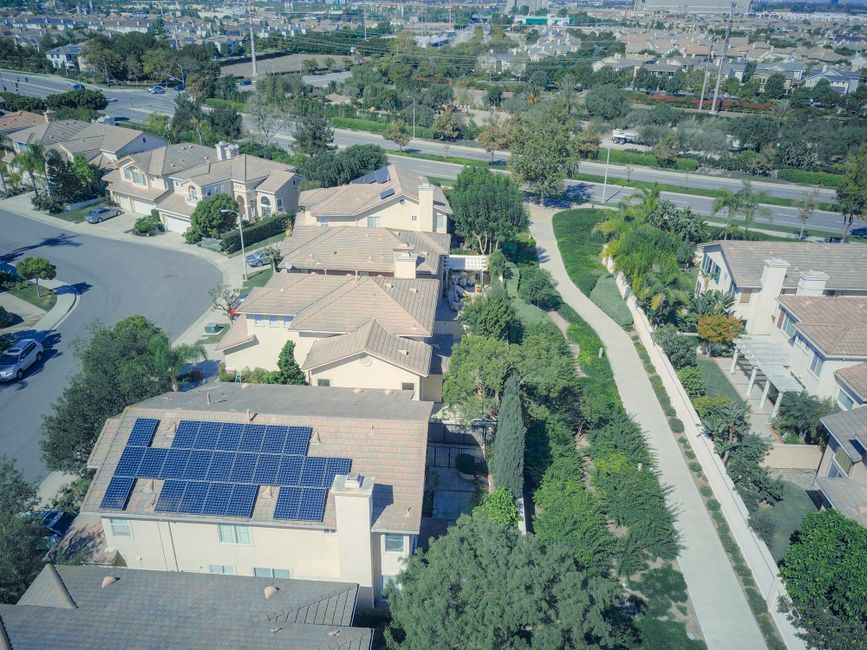
In short: California homes paid about 33.6¢ per kWh in July 2026, 84% above the U.S. average, and the big utilities switch off power lines on purpose when wildfire risk is extreme. Since April 2023, new solar on PG&E, SCE and SDG&E is credited under NEM 3.0, so solar now pays mostly through your own use and a battery.
California has more home solar, more home batteries and more electric cars than any other state, and also the most complicated rules. This guide sorts out what the state’s numbers mean for backup power, solar, batteries and EV charging, with every figure sourced and dated.
California at a glance
- Home electricity price: 33.61¢/kWh in July 2026 (EIA, preliminary), up from 32.66¢ in July 2025; 33.25¢ average for January to July 2026. U.S. average: 18.31¢ (EIA, July 2026).
- Outages in 2024: 280 minutes per customer including major events, 158 minutes without them; 1.3 interruptions per customer, or 1.2 on normal days (EIA-861, 2024).
- Sun: about 5.65 kWh per square meter per day in Los Angeles (NASA POWER, 2001–2020), roughly 1,650 kWh per kW of panels per year by our rough estimate; the coast, valleys and mountains differ.
- Net metering: NEM 3.0, the Net Billing Tariff, for new PG&E, SCE and SDG&E customers since April 15, 2023; older NEM 1 and NEM 2 customers keep their terms for 20 years. LADWP and SMUD set their own rules.
- Plug-in (balcony) solar law: SB 868 signed September 30, 2026, not yet in effect.
- Electric vehicles: 1,843,100 battery-electric and 490,900 plug-in hybrid cars through 2025; 68,692 public charging ports at 20,080 locations, 19,238 of them DC fast (AFDC, October 2026).
- Main utilities: PG&E (about 36% of customers), Southern California Edison (33%), SDG&E (10%) and the Los Angeles Department of Water and Power (9%) (EIA-861, 2024).
- Top weather hazards: wildfire rated very high; heat wave relatively high; winter weather and tornado relatively moderate. California’s overall expected annual loss is rated very high (FEMA National Risk Index, December 2025).
- Public Safety Power Shutoffs (PSPS): yes. PG&E, SCE, SDG&E and other utilities run them under CPUC rules; SDG&E carried one out on October 2, 2026.
Backup power in California
California’s outage numbers look moderate: 158 minutes on ordinary days in 2024 and 280 including major events. But the averages hide the outages Californians plan around. A Public Safety Power Shutoff is a deliberate cut: when hot, dry, windy weather makes a fire likely, the utility de-energizes lines in high-risk areas, sometimes for a day or more, and homes in high fire-risk areas are affected far more than the state average suggests. FEMA rates wildfire as California’s top hazard, followed by heat waves, which bring the risk of outages during peak air-conditioning demand.
How the options compare for a California home:
- Home battery, ideally with solar: the most common California answer. It switches over instantly, runs silently, and with solar can recharge during a multi-day shutoff. PSPS events usually come with advance warning, so you can top it up first.
- Generator: more runtime per dollar for long shutoffs, and propane or natural gas avoids gas-station lines. Local air district and noise rules, and HOA rules, may limit standby units, so check before you buy.
- Portable power station: enough for phones, Wi-Fi, lights, a fan or a CPAP through a short shutoff; a good choice for renters and apartments.
Any generator must run outdoors only, at least 20 feet from the house, with exhaust away from windows, doors and vents, and never in a garage, even with the door open (CPSC). Keep battery-powered carbon monoxide alarms on every level. In fire season, keep it away from dry grass and store fuel safely. A licensed C-10 electrical contractor should install any transfer switch. Size it with the battery backup calculator or the generator sizing calculator.
Solar in California under NEM 3.0
California leads the country by far: EIA counted 2,090,983 net-metered home solar systems in 2024, about 12,700 MW. The rules for new systems changed on April 15, 2023. Under the Net Billing Tariff (often called NEM 3.0), PG&E, SCE and SDG&E credit the power you send to the grid at “avoided cost” values set by the CPUC, which vary by hour and are usually far below the retail price. The solar power you use in your own home, as it is produced, still saves the full retail rate. Customers who interconnected under NEM 1 or NEM 2 keep those terms for 20 years from their start date. LADWP and SMUD customers are under their own utility’s rules.
What a kWh is worth explains why solar can still pay here. At 33.61¢, each kW of panels in Los Angeles that offsets your own use is worth about $555 a year by our rough estimate (about 1,650 kWh times the July 2026 price), roughly twice what the same panel saves in Arizona. A 6 kW system makes about 9,900 kWh a year. The key under NEM 3.0 is self-consumption: size the system to what you use, shift loads such as laundry and EV charging into the day, and consider a battery for the evening. Read our net metering and net billing guide, compare solar costs and run the solar potential calculator. These are estimates, not promises; your rate plan, shading and usage decide the outcome.
Plug-in solar: Governor Newsom signed SB 868 on September 30, 2026. It covers portable, plug-in solar devices up to 1,200 watts per dwelling. News reports put the start date at January 1, 2027; we have not confirmed that on an official page, so check before you plug one in. Until it takes effect, utility interconnection rules apply. The federal 25D credit ended for systems completed after December 31, 2025. See our solar guide and incentives page.
Home batteries in California
California is where home batteries went mainstream: 221,123 net-metered solar homes reported a paired battery in 2024 (EIA-861). Under NEM 3.0 a battery does two jobs: it stores cheap midday solar for the expensive evening hours, and it keeps the house running through a PSPS event.
The state’s main battery incentive is the CPUC’s Self-Generation Incentive Program (SGIP). Its Residential Solar and Storage Equity budget ($280 million, opened June 2025) pays about $1,100 per kWh of storage and about $3,100 per kW of solar for qualifying low-income customers, and equity resiliency budgets support storage for eligible households. The general-market residential budgets are largely used up. Check the program page for current eligibility and funds; amounts change. More in our home battery guide and home battery costs.
EV charging in California
California has far more electric cars than any other state: 1,843,100 battery-electric vehicles through 2025, with 68,692 public charging ports, about 27 cars per port. Home charging is cheaper than public fast charging but not cheap at California rates. Using about 30 kWh per 100 miles, a typical rating of the kind fueleconomy.gov lists, 100 miles cost about $10 at the July 2026 average of 33.61¢, and 12,000 miles a year about $1,210 (estimate). The large utilities offer time-of-use and EV rate plans that can cut that substantially for overnight charging; compare your options on your utility’s website.
Drive on another fuel? See every alternative fuel station in California: hydrogen, propane, natural gas, E85 ethanol, biodiesel and renewable diesel.
A Level 2 charger needs a 240-volt circuit installed by a licensed C-10 electrical contractor, with a city or county permit. The federal 30D EV credit ended September 30, 2025, and the 30C charger credit ended for chargers placed in service after June 30, 2026. See our EV charging guide and the EV charging cost calculator.
Off-grid, small wind and micro-hydro
Off-grid solar with batteries works well for rural California properties, with a generator for winter storms; see off-grid power. Small wind is generally poor: NASA POWER’s 50-meter average is about 3.2 m/s near the center of the state and 3.6 m/s around Los Angeles, well under the roughly 4.5 m/s the U.S. Department of Energy suggests for a grid-tied home turbine, though some passes and ridges are far windier and should be measured (wind energy). Micro-hydro can work on mountain properties with a year-round stream, subject to state water rights; we have no state data, but our hydropower page covers the basics.
Licensing and permits in California
The Contractors State License Board (CSLB) licenses installers. Solar is usually done under a C-46 Solar or C-10 Electrical license (some general contractors with A or B licenses also qualify for certain work); battery, generator and EV charger wiring needs a C-10. Check any license with the CSLB license check. Permits come from your city or county, and your utility must approve interconnection under its rules before a solar or battery system is switched on.
Local guides in California
Utilities, rates, outage records, permit offices and local programs for each area:
Where we cover in California
- Los Angeles: Los Angeles, Pasadena, Long Beach
- Orange County: Irvine, Anaheim
- Inland Empire: Riverside, Temecula
- San Diego: San Diego, Carlsbad
- Bay Area: San Jose, Fremont, Santa Rosa
- Sacramento: Sacramento, Roseville
- Central Valley: Fresno, Bakersfield
Local pages for these areas will follow as we verify local information and installers.
Get quotes in California
Are you a licensed installer in California? Join SolutionEnergy and get requests from homeowners and businesses →
Tell us about your project and we will connect you with a licensed, independent installer who serves California. It is free, there is no obligation, and only the installer you choose gets your details. See how it works.
California energy FAQs
What is NEM 3.0 in California?
NEM 3.0 is the Net Billing Tariff that PG&E, SCE and SDG&E apply to new solar customers since April 15, 2023. Power you export is credited at CPUC avoided-cost values that change by hour and are usually well below retail, while power you use yourself still saves the full rate. NEM 1 and 2 customers keep their terms for 20 years.
Is solar still worth it in California after NEM 3.0?
For many homes, yes, because power is so expensive: at 33.61¢ per kWh (EIA, July 2026), each kW of panels that offsets your own use is worth about $555 a year by our rough estimate. The best results come from sizing to your use and adding a battery for evenings. Get several quotes based on your actual bills.
How do I prepare for a Public Safety Power Shutoff?
Sign up for your utility’s PSPS alerts and update your contact details. Keep a charged battery or portable power station for essentials and medical devices, and if you use a generator, run it outdoors 20 feet from the house. Utilities may offer extra help for customers who rely on powered medical equipment; ask yours.
Is balcony or plug-in solar legal in California?
A law is coming. SB 868, signed September 30, 2026, covers plug-in solar devices up to 1,200 watts per dwelling. News reports say it starts January 1, 2027, which we have not confirmed officially. Until then, a kit that feeds a wall outlet falls under your utility’s interconnection rules.
Are there battery rebates in California in 2026?
The CPUC’s SGIP program still funds batteries through equity budgets for qualifying low-income and vulnerable households, at about $1,100 per kWh in the equity solar and storage budget. General-market residential funds are largely used up. Check the SGIP page for current eligibility, because amounts and budgets change.
What does home EV charging cost in California?
At the July 2026 average of 33.61¢ per kWh and about 30 kWh per 100 miles, about $10 per 100 miles, or roughly $1,210 for 12,000 miles a year. Time-of-use or EV rate plans that favor overnight charging can lower that considerably. This is an estimate; your plan and car matter most.
Sources
Electricity prices: EIA Electric Power Monthly, July 2026 (preliminary). Outages, utilities, net-metered solar and paired batteries: EIA-861, 2024. Weather hazards: FEMA National Risk Index, December 2025. Sun and wind: NASA POWER, 2001–2020 averages. EV registrations and charging ports: Alternative Fuels Data Center (AFDC), 2025 registrations and station counts read October 3, 2026. NEM 3.0, SGIP and PSPS rules: California Public Utilities Commission (CPUC) and PG&E, checked October 3, 2026. Plug-in solar: California Legislature (SB 868) and the Governor’s legislative update of September 30, 2026. Licensing: Contractors State License Board. Generator safety: CPSC.