In short: Eau Claire and La Crosse are on Xcel Energy, where homes paid about 15.8¢ per kWh in 2024, among the lowest of Wisconsin’s big utilities, and lost about 209 minutes of power each with major storms, 122 without (EIA). Xcel’s Wisconsin net metering banks surplus solar at full retail rates through the year.
This page covers what is specific to western Wisconsin: Xcel Energy (Northern States Power-Wisconsin) and the rural co-ops around it, Xcel’s solar rules, permits in Eau Claire, and charging. For statewide rules, including the Focus on Energy solar rebate and tax exemptions, see our Wisconsin energy guide.
Western Wisconsin at a glance
- Xcel Energy (Northern States Power-Wisconsin; Eau Claire and La Crosse): about 15.8¢ per kWh on average for homes in 2024. Outages: 209 minutes per customer with major events, 122 without; 1.13 interruptions a year (EIA-861, 2024).
- Rural co-ops: Eau Claire Electric, Riverland Energy, Jackson Electric, Vernon Electric and Dunn County Electric cooperatives serve the countryside. Riverland, for example, averaged about 16.3¢, with 262 outage minutes including major events and 144 without (EIA-861, 2024).
- Sun: about 3.86 kWh per square meter per day at Eau Claire and 3.89 at La Crosse, from about 1.3 in December to 6.1 in June (NASA POWER, 2001 to 2020). Our rough estimate: about 1,130 kWh a year per kW of panels, a little more than in eastern Wisconsin.
- Top hazards: La Crosse County is “very high” for cold waves and “relatively high” for hail; Eau Claire County is “relatively high” for cold waves and strong wind (FEMA National Risk Index, December 2025).
- Public charging: 69 ports at 22 locations in Eau Claire and 47 at 22 locations in La Crosse (AFDC, October 3, 2026).
Your utility and what it means
- Xcel Energy, solar: its Wisconsin Net Energy Billing Service (Pg-1) covers systems up to 100 kW AC behind the meter. Surplus is credited at full retail rates and banked month to month; whatever is left at the end of the calendar year is paid out by check at lower wholesale energy prices. Basic service charges and other fees still apply. Systems above 40 kW AC also need a production meter.
- Xcel Energy, EVs: we could not confirm a current Wisconsin home charger program; ask Xcel about EV rates before you buy a charger.
- Co-ops and small city utilities: each sets its own solar credit and interconnection steps; ask yours before signing a solar contract.
Backup power in western Wisconsin
Xcel’s ordinary-day record here, about 2 hours without power per customer in 2024, is longer than in Milwaukee or Madison, though major events added less on top, for about 3.5 hours in all (EIA). Rural co-op members see more: Riverland’s members averaged about 2.4 hours on normal days and 4.4 with major events. In the countryside, a well pump joins the furnace blower, sump pump and fridge on the must-run list.
Where there is no natural gas line, a standby generator can run on propane from a tank sized for several days. A home battery handles the typical outage silently, and a portable power station covers phones, lights and a CPAP. Compare the options in backup power options and size them with the generator sizing tool or the battery backup calculator. For cabins off the grid, see the off-grid planner.
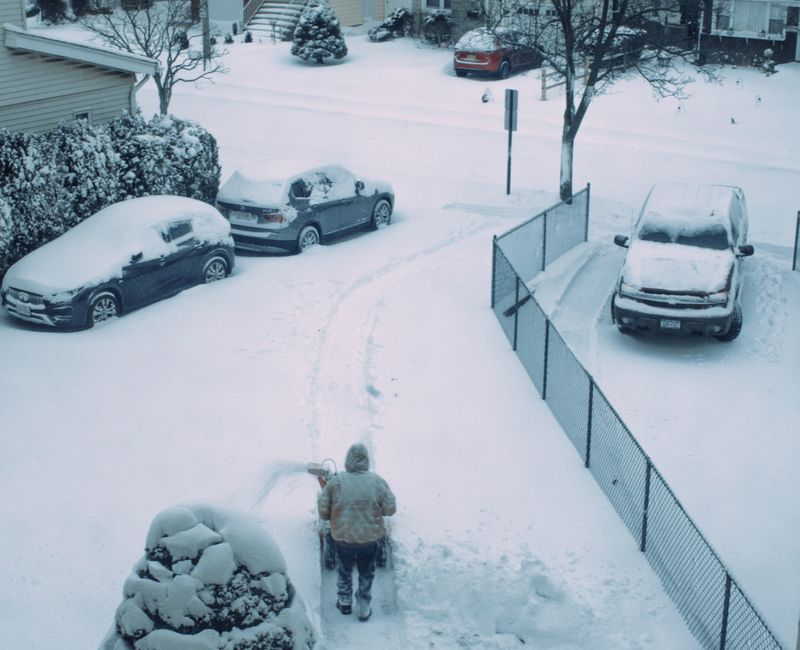
Safety first: the CPSC says to run generators outdoors only, at least 20 feet from the house, never in a garage; clear snow from around the unit, fit battery-backed CO alarms, and have a licensed electrician install the transfer switch (generator installation).
Solar in western Wisconsin
Panels here make about 1,130 kWh a year per kW by our rough estimate. At Xcel’s 2024 average of about 15.8¢, that is worth around $180 a year per kW. Because Xcel banks monthly surplus at retail through the year, summer overproduction can offset winter bills, which is rare in Wisconsin; only what is still left on January 1 is paid at the lower wholesale price. So the right size is about your annual use, not your monthly use. These are estimates; check yours with the solar potential tool and the solar savings calculator.
Home solar is still early here: Xcel reported about 550 residential net-metered systems in Wisconsin in 2024, plus about 100 customers credited through virtual (shared) net metering (EIA). With hail rated “relatively high” in La Crosse County, ask about panel hail ratings and insurance. The statewide Focus on Energy rebate applies to Xcel customers; see the Wisconsin page. Read solar installation and how net metering works.
Batteries in western Wisconsin
Because Xcel credits surplus at retail through the year, a battery here does little for savings; its job is backup. Size it for the loads you need in a winter outage, including a well pump in rural homes, and consider pairing it with a generator for long storms. We found no Xcel Wisconsin battery rebate. See home battery installation and home battery cost.
EV charging in western Wisconsin
At about 30 kWh per 100 miles, home charging costs roughly $4.75 per 100 miles at Xcel’s 2024 average (our estimate), one of the lower figures in the state. Eau Claire has 69 public ports and La Crosse 47 (AFDC, October 3, 2026), useful on the long drives along I-94 and the Mississippi. Winter cuts range, so a garage Level 2 charger helps; it needs a 240-volt circuit, a permit and a licensed electrician. See EV charger installation and the EV charging cost calculator.
Drive on another fuel? See every alternative fuel station in Eau Claire: hydrogen, propane, natural gas, E85 ethanol, biodiesel and renewable diesel.
Permits and inspections
- City of Eau Claire: the Inspection Services Division issues permits and inspects electrical, building, HVAC and plumbing work through its Evolve portal (715-839-4947). An electrical permit is needed for a new service, new wiring or rewiring. Homeowners pull their own permit for work they do themselves; a contractor doing the work must be licensed and pull it, and anything other than an owner-occupied single-family home needs a licensed contractor.
- La Crosse and surrounding towns: your city, village or town building inspection office.
- Utility approval: Xcel Energy or your co-op must approve solar and battery interconnection. Check HOA rules in writing.
Cities we cover
- Eau Claire
- La Crosse
Get help
Are you a licensed installer in Eau Claire? Join SolutionEnergy and get requests from homeowners and businesses →
Tell us about your project and we will connect you with a licensed, independent installer who serves the western Wisconsin area. It is free, there is no obligation, and only the installer you choose gets your details. Read how it works.
Western Wisconsin energy FAQ
Does Xcel Energy pay retail for solar in Wisconsin?
Yes, during the year. Under Xcel’s Wisconsin Net Energy Billing Service, for systems up to 100 kW AC, surplus kWh are credited at full retail rates and carried forward month to month. Anything left at year end is paid out at lower wholesale energy prices, so size the system to your annual use.
Why does solar work differently in Eau Claire than in Milwaukee?
Utility rules. We Energies in Milwaukee credits monthly surplus at about 3.6¢ per kWh, while Xcel banks it at retail through the year. Power is cheaper on Xcel, about 15.8¢ against 19.2¢ in 2024 (EIA), but more of each kWh you make keeps its full value.
I’m a co-op member near La Crosse. Do Xcel’s rules apply?
No. Co-ops such as Riverland, Vernon Electric or Jackson Electric set their own solar credits and interconnection steps. Ask your co-op for its current terms in writing before you sign a solar contract.
Can I wire my own generator inlet in Eau Claire?
The city lets homeowners pull an electrical permit for work they do in their own home, but for transfer switches, inlets, batteries and chargers a licensed electrician is the safe choice. Any contractor doing the work must be licensed and pull the permit.
Sources
Utilities, prices, outages and solar counts: U.S. Energy Information Administration, EIA-861 data for 2024. Xcel Energy Wisconsin distributed generation tariff options sheet (2024) and Wisconsin solar net metering FAQ. City of Eau Claire Inspections pages. Sun: NASA POWER, 2001 to 2020. Hazards: FEMA National Risk Index, December 2025. Charging: Alternative Fuels Data Center. Generator safety: CPSC. All checked October 3, 2026.