This article contains affiliate links: if you buy through them we may earn a commission, at no extra cost to you. Learn more.
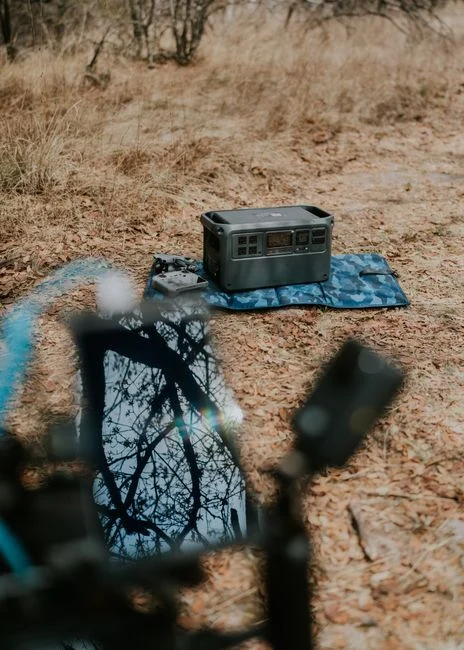
Day three of a campground stay, and the cooler is a fridge now. A folding panel leans against the picnic table, angled at the afternoon sun, and the little screen on the power station says the battery is climbing back up while the fridge keeps running. That quiet, fuel-free refill is what people mean by a solar generator, and it works the same way at home when a storm takes the power out for a few days.
The best solar generator for most people is a 1,000 Wh class portable power station with a LiFePO4 battery and at least 200 W of folding solar panels, like the Jackery Solar Generator 1000 v2 kit or an EcoFlow DELTA 3 Plus with a 220 W panel. Plan on one to two sunny days to refill it from 200 W of panels, and add more panels if you need power every day.
Prices change often. Where we give a price, it’s the maker’s own store price we saw in October 2026; check the current price before you buy. Amazon prices may differ, and kit prices change with sales.
What is a solar generator?
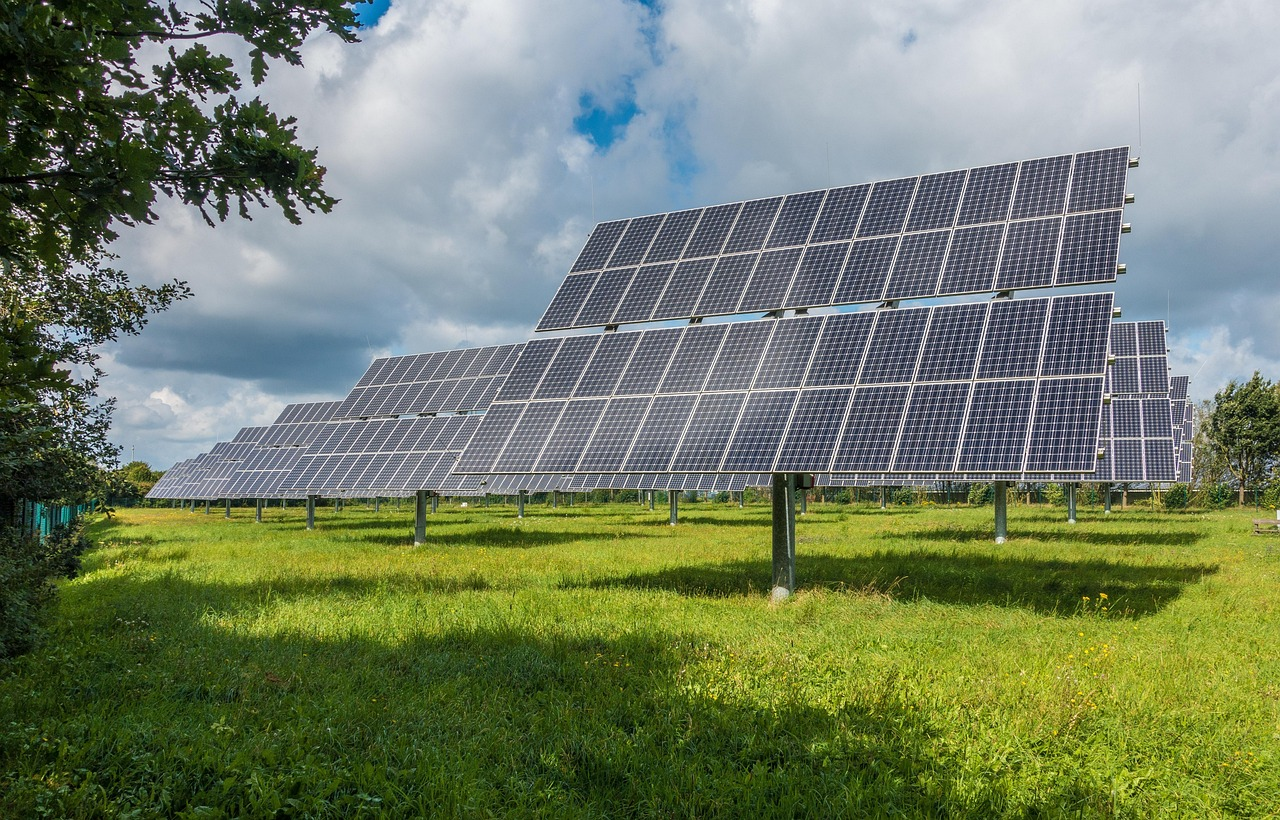
A “solar generator” is not a generator in the gas-engine sense. It’s a marketing name for two things sold together: a portable power station (a big lithium battery with an inverter, wall outlets, USB ports and a built-in solar charge controller) and one or more portable solar panels that plug into it. The panels make DC electricity, the station stores it, and the inverter turns it into normal household AC power. There is no engine, no fuel and no exhaust, which is why a power station can sit in your kitchen or tent while the panels stay outside in the sun.
A gas generator is a different machine with different rules. The U.S. Consumer Product Safety Commission (CPSC) says to run a gas generator outside only, at least 20 feet from the house, and never in a garage, basement or porch, because of carbon monoxide. A solar kit has none of that risk, but it also makes far less energy per day, so the trade-off is quiet and safe versus fast and fuel-hungry.
Our top picks
Jackery Solar Generator 1000 v2 (Explorer 1000 v2 + SolarSaga 200W)
- 1,070 Wh LiFePO4
- 1,500 W AC (3,000 W surge)
- Up to 400 W solar input
EcoFlow DELTA 3 Plus
- 1,024 Wh LiFePO4
- 1,800 W AC (3,600 W surge)
- Up to 1,000 W solar (2 x 500 W)
Anker SOLIX C1000 Gen 2 + 200W Solar Panel
- 1,024 Wh
- 2,000 W AC (3,000 W surge)
- Up to 600 W solar input
EcoFlow RIVER 3 Plus + 110W Solar Panel
- 286 Wh LiFePO4
- 600 W AC (1,200 W surge)
- Up to 220 W solar; 10.4 lb station
Goal Zero Yeti 1500 (6th Gen)
- 1,505 Wh LiFePO4
- 2,000 W AC (3,600 W surge)
- Up to 900 W solar; IPX4
EcoFlow DELTA Pro 3 + 400W Solar Panel
- 4,096 Wh LiFePO4
- 4,000 W AC (8,000 W surge)
- Up to 2,600 W solar input
Solar generators compared
The “solar per day” column is our own estimate for the panels in the kit (or the panel we suggest) at 4.5 peak sun hours, a typical year-round figure for much of the U.S. The math is explained below.
| Solar generator | Battery | Max solar input | Panel in kit | Solar per day (est.) | Station weight |
|---|---|---|---|---|---|
| Jackery Solar Generator 1000 v2 | 1,070 Wh | 400 W | SolarSaga 200W | about 675 Wh | 23.8 lb |
| EcoFlow DELTA 3 Plus | 1,024 Wh | 1,000 W | None (add a 220 W panel) | about 740 Wh per 220 W panel | 27.6 lb |
| Anker SOLIX C1000 Gen 2 kit | 1,024 Wh | 600 W | 200 W panel | about 675 Wh | 24.9 lb |
| EcoFlow RIVER 3 Plus kit | 286 Wh | 220 W | 110 W panel | about 370 Wh | 10.4 lb |
| Goal Zero Yeti 1500 (6th Gen) | 1,505 Wh | 900 W | None | depends on panels | 52.75 lb |
| EcoFlow DELTA Pro 3 kit | 4,096 Wh | 2,600 W | 400 W panel | about 1,350 Wh | 113.5 lb |
How much will solar panels really charge a power station?
A 200 W panel makes 200 W only in lab conditions: 1,000 watts of sunlight per square meter hitting it straight on, with the solar cells at 77°F (25°C). That’s the “standard test conditions” rating every panel uses. Outdoors, the sun is weaker in the morning and evening, panels get hot, clouds pass, and some energy is lost in cables and in the station’s charger. So use this simple formula:
Watt-hours per day ≈ panel watts × peak sun hours × 0.75
- Peak sun hours are the day’s sunlight squeezed into “full-sun” hours of 1,000 W per square meter.
- 0.75 is our planning factor for losses. The National Laboratory of the Rockies (formerly NREL) uses 14% default losses in its PVWatts calculator for a fixed, well-aimed rooftop system (dirt, wiring, mismatch, small shading and more), and a DOE study of 75 federal solar systems called a performance ratio of about 85% a realistic expectation. Portable panels that are propped up by hand, get hot and charge a battery lose more, so we round down to 75%. It’s an estimate, not a promise.
Peak sun hours depend a lot on where you are and the season. These are averages from the government’s PVWatts calculator for a panel tilted 30 degrees and facing south:
| City | Year average | June | December | 200 W panel, average day (est.) |
|---|---|---|---|---|
| Phoenix, AZ | 6.6 | 7.6 | 5.3 | about 990 Wh |
| Denver, CO | 5.8 | 6.8 | 4.2 | about 860 Wh |
| Miami, FL | 5.5 | 5.2 | 4.8 | about 830 Wh |
| Atlanta, GA | 5.1 | 5.6 | 3.8 | about 770 Wh |
| Boston, MA | 4.8 | 5.6 | 2.6 | about 710 Wh |
| Chicago, IL | 4.5 | 6.0 | 2.4 | about 680 Wh |
| Seattle, WA | 4.0 | 5.7 | 1.5 | about 600 Wh |
Some real examples with that formula at 4.5 peak sun hours:
- One 200 W panel ≈ 200 × 4.5 × 0.75 = about 675 Wh a day. A 1,000 Wh class station needs about a day and a half of good sun to go from empty to full. Jackery lists about 7.5 hours of solar charging for its 1000 v2 kit, which assumes strong sun all day.
- Two 200 W panels ≈ 1,350 Wh a day: enough to refill a 1,000 Wh station in one sunny day.
- Seattle in December (1.5 peak sun hours): one 200 W panel ≈ only about 220 Wh a day. Winter solar is a top-up, not a full refill.
- How many panels do you need? Divide what you use per day by peak sun hours × 0.75. If your outage essentials use 1,500 Wh a day, that’s 1,500 ÷ (4.5 × 0.75) ≈ 445 W of panels, so two 220 W panels, as long as your station accepts that much solar.
For your own address, the free PVWatts calculator gives monthly sun for any spot in the U.S. Our solar energy guide explains how panels turn light into electricity.
The best solar generators for 2026
1. Jackery Solar Generator 1000 v2: best ready-made kit
The kit pairs the Explorer 1000 v2 with a SolarSaga 200W panel. The station holds 1,070 Wh in a LiFePO4 battery, puts out 1,500 W (3,000 W surge) from its AC outlets and weighs 23.8 lb, light for its size. From the wall it refills in 1.58 hours, or in about an hour in Emergency Charge mode, set in Jackery’s app. The SolarSaga 200W is a bifacial panel (it also catches light reflected onto its back), rated IP68, weighs 14.33 lb and has its own USB-A and USB-C ports. The station takes up to 400 W of solar, so you can add a second 200 W panel later and refill in roughly a sunny day.
- Good: matched panel and station; light station; 3-year warranty plus 2 more when bought on Jackery.com.
- Watch out: 400 W solar input is low for heavy daily use; not expandable; Jackery rates its battery for 4,000 cycles to 70%, not 80%, so don’t compare that number directly with other brands.
- Best for: first-time buyers, camping weekends and short outages.
Check the Jackery Solar Generator 1000 v2 price on Amazon
2. EcoFlow DELTA 3 Plus: most solar input for its size
The DELTA 3 Plus takes up to 1,000 W of solar through two 500 W inputs, more than double most 1 kWh stations. It holds 1,024 Wh (LiFePO4, rated for 4,000 cycles to 80%), delivers 1,800 W (3,600 W surge), switches to battery in under 10 ms if the grid drops, and charges from the wall in 56 minutes. EcoFlow’s headline is a 70-minute full charge from solar, which needs close to the full 1,000 W of panels in strong sun. You can add an extra battery later. It’s sold without panels: EcoFlow’s NextGen 220W Bifacial panel (220 W front, 175 W rear, IP68, 15.4 lb) is a good match, and two of them fill the station in about a sunny day. The maker’s price was about $669 in October 2026 (station only).
- Good: huge solar input for its size; fast wall charging; expandable; 5-year warranty.
- Watch out: panels cost extra; at 27.6 lb it’s a little heavier than the Jackery.
- Best for: home outages where you want to refill fast between storms, and anyone who’ll add panels over time.
Check the EcoFlow DELTA 3 Plus price on Amazon
Check the EcoFlow NextGen 220W panel price on Amazon
3. Anker SOLIX C1000 Gen 2 + 200W panel: best for fast wall top-ups
The C1000 Gen 2 has 1,024 Wh, the strongest inverter in this size here at 2,000 W (3,000 W surge), and charges from empty to full in 49 minutes in UltraFast mode (turned on in the app; Anker says the battery must be above 68°F). It weighs 24.9 lb, and Anker rates it for 4,000 cycles to 80%. Solar input is up to 600 W at 29–60 V. Anker’s “1.8 hour” solar figure assumes the full 600 W; with the single 200 W panel in this kit, plan on about a day and a half of good sun. Add Anker’s PS400 bifacial panel (400 W, 21.9 lb, 5-year warranty) and you’d be close to the 600 W maximum.
- Good: powerful 2,000 W output; very fast wall charging; panel included.
- Watch out: not expandable (Anker says the Gen 2 isn’t); fastest charging needs a warm battery; Anker’s page doesn’t name the battery chemistry (the Amazon listing says LiFePO4).
- Best for: homes with power most of the time that want a quick-charge backup plus a solar fallback.
Check the Anker SOLIX C1000 Gen 2 solar kit price on Amazon
4. EcoFlow RIVER 3 Plus + 110W panel: best small kit
For phones, a laptop, LED lights, a fan or a router through an outage, the RIVER 3 Plus is a small, 10.4 lb station with 286 Wh (LiFePO4, rated by EcoFlow for 3,000 cycles to 80%), 600 W AC output (1,200 W surge) and three AC outlets. It switches over in under 10 ms, so it can sit between the wall and your modem as a small backup. Its 220 W solar input is more than the 110 W panel in this kit needs, and our estimate says that panel refills the station in about one day of decent sun (110 × 4.5 × 0.75 ≈ 370 Wh). Extra batteries take it to 858 Wh. The station alone was about $299 at EcoFlow in October 2026.
- Good: light; one-day solar refill; fast UPS switchover; expandable.
- Watch out: 286 Wh won’t run a full-size fridge for long; EcoFlow’s page doesn’t state a warranty length for this model.
- Best for: apartments, small campsites, a router and lights during outages.
Check the EcoFlow RIVER 3 Plus solar kit price on Amazon
5. Goal Zero Yeti 1500 (6th Gen): best for wet weather
Goal Zero’s new 2026 Yeti is built for being outside. It’s rated IPX4 against splashing water, holds 1,505 Wh in a LiFePO4 battery rated for 4,000 cycles to 80%, and puts out 2,000 W (3,600 W surge) from four AC outlets. Solar input goes up to 900 W across two inputs, so it can drink a lot of sun on a good day. From the wall it reaches 80% in about 0.8 hours. At 52.75 lb it’s heavy for its capacity, and it’s sold without panels. Goal Zero’s price was $1,499.95 in October 2026, with a 5-year warranty. Don’t confuse it with the older Yeti 1500X, which uses an NMC battery.
- Good: splash resistance; 900 W solar input; 1.5 kWh; 5-year warranty.
- Watch out: heavy; panels extra; costs more per watt-hour than the EcoFlow or Jackery.
- Best for: base camps, boats at the dock, job sites and porches where rain happens.
Check the Goal Zero Yeti 1500 price on Amazon
6. EcoFlow DELTA Pro 3 + 400W panel: best for home backup
The DELTA Pro 3 holds 4,096 Wh (LiFePO4, 4,000 cycles to 80%), gives 4,000 W (8,000 W surge) at 120 V or 240 V, and accepts up to 2,600 W of solar through a high-voltage and a low-voltage input. It weighs 113.5 lb, on wheels. This kit adds one EcoFlow 400 W panel (22.6% efficiency, IP68), worth about 1,350 Wh a day by our estimate: a start, but you’d need several panels to refill it daily. EcoFlow’s price for the station alone was about $2,799 in October 2026, with a 5-year warranty. To power house circuits directly, EcoFlow’s Smart Home Panel 2 must be installed by an electrician; never plug a power station into a wall outlet to “backfeed” the house.
- Good: big capacity; 240 V for well pumps and larger loads; huge solar input; expandable.
- Watch out: heavy and expensive; one 400 W panel only covers a third of a full refill per day; EcoFlow’s US store showed the 400 W panel sold out in October 2026.
- Best for: homeowners planning for days-long outages who’ll add panels and an installed transfer panel.
Check the EcoFlow DELTA Pro 3 solar kit price on Amazon
Solar panels to add
Most stations take more solar than their kit includes. Before you buy another panel, check two numbers on your station: the maximum solar watts and the voltage range of its solar input. Also check the plug: Jackery panels use Jackery’s DC8020 plug and Anker panels come with an XT-60i cable, so mixing brands usually means an adapter cable.
| Panel | Rated power | Weight | Notes |
|---|---|---|---|
| Jackery SolarSaga 200W (bifacial) | 200 W ±5% | 14.33 lb | IP68; USB-A and USB-C ports on the panel |
| EcoFlow NextGen 220W Bifacial | 220 W front, 175 W rear | 15.4 lb | 25% conversion; IP68 |
| Anker SOLIX PS200 Bifacial | 200 W | 10.6 lb | 48 V output; IP68; 5-year warranty |
| Anker SOLIX PS400 Bifacial | 400 W | 21.9 lb | 48 V, 8.33 A; IP68; 5-year warranty |
| EcoFlow 400W Portable | 400 W | not stated | 22.6% conversion; IP68; for DELTA-series stations |
How to choose a solar generator
- Start with what you’ll run. Add up the watts of what you need at the same time (the station’s AC output must cover it, plus start-up surge for fridges and pumps), and the watt-hours you need per day.
- Estimate run time honestly. Usable energy is about 85% of the battery rating after inverter losses. A 1,024 Wh station gives about 870 Wh, so a 60 W load runs roughly 14 hours (870 ÷ 60). That’s an estimate; real loads vary.
- Match panels to your daily use. Panel watts ≈ daily Wh ÷ (peak sun hours × 0.75). Use your winter sun hours if you’re planning for winter storms.
- Look at the solar input limit. A station that takes 1,000 W of solar can refill in an afternoon with enough panels; one that takes 400 W never can.
- Choose LiFePO4. Every station here uses lithium iron phosphate, rated for thousands of cycles. Our LiFePO4 vs lithium-ion guide explains why.
- Don’t count on a tax credit. There is no federal tax credit for portable power stations or portable solar kits in 2026; the home solar and battery credit (25D) ended on December 31, 2025. Some states and utilities have their own programs.
Keep exploring
Start with our hub on portable power stations, or jump to the best portable power stations overall, picks for home backup and camping, and what size power station you need. For the bigger picture, read about solar energy and off-grid energy, or browse every guide in portable power stations.
Solar generator questions
Is a solar generator the same as a portable power station?
Almost. A solar generator is a portable power station sold together with solar panels. The station is the battery, inverter and outlets; the panels recharge it. Any power station with a solar input becomes a “solar generator” once you plug in compatible panels, so you can also buy the station first and add panels later.
How long does it take to charge a solar generator with solar panels?
Divide the battery size by what your panels make in a day. With our estimate (panel watts × peak sun hours × 0.75), one 200 W panel makes about 675 Wh on a 4.5-sun-hour day, so a 1,000 Wh station takes about a day and a half. Two panels cut that to about one sunny day. Winter days can take three or four times longer.
Can a solar generator run a house?
Not a whole house in the normal way. The average U.S. home used about 10,800 kWh in 2022 (EIA), roughly 30 kWh a day, far more than a portable kit can store or collect. A large station like the DELTA Pro 3 can run essentials (fridge, lights, internet, a well pump on 240 V) for a while, connected through a transfer panel or switch installed by a licensed electrician.
Can I use a solar generator indoors?
Yes, the power station itself has no engine or exhaust, so it’s safe to use inside; keep it dry, ventilated and away from heat. The panels go outside in the sun, with the cable run through a window or door gap. A gas generator is the opposite: CPSC says outdoors only, at least 20 feet from the house.
Do solar panels charge a power station on cloudy days?
A little. The Department of Energy notes clouds can cut direct sunlight by up to 100% under heavy cover, so output can drop to a small fraction of the panel’s rating. Plan on wall or car charging as your backup, and size panels for your season’s average sun, not the best day.