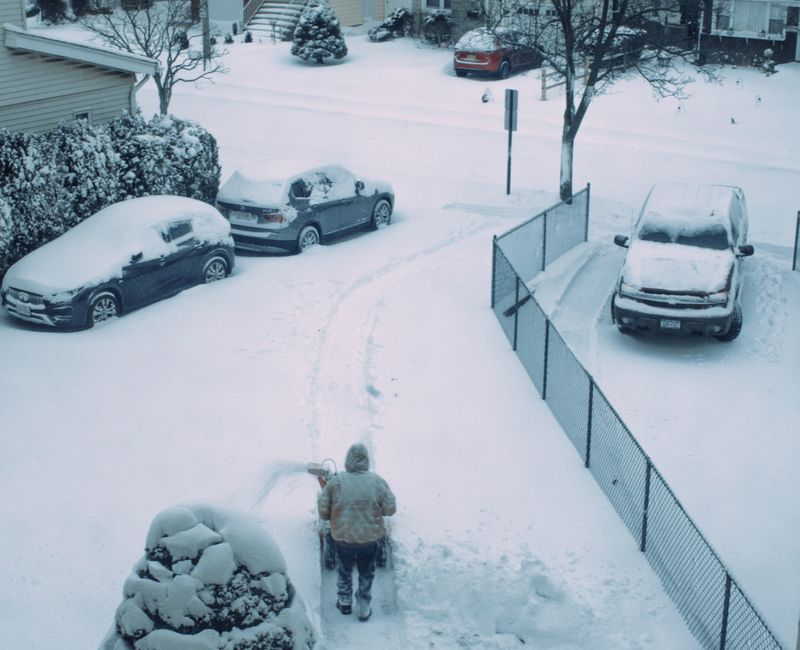
In short: Wisconsin homes paid about 19.1 cents per kWh in July 2026, slightly above the U.S. average, and FEMA rates the state’s cold-wave risk very high. Ordinary-day outages are short, but storms tripled 2024’s total. A 2026 Focus on Energy rebate of up to $2,400 and tax exemptions help solar.
Wisconsin does energy policy through its utilities and the Public Service Commission (PSC) more than through state law. There is no net metering statute, so the rules for solar depend on whether you are a We Energies, Alliant, Wisconsin Public Service, Xcel or co-op customer. What every Wisconsin home shares is winter: deep cold, snow and the storms that come with them. Here is how the numbers play out.
Wisconsin at a glance
- Residential electricity price: 19.06 cents per kWh in July 2026, against a U.S. average of 18.31 cents (EIA, preliminary); 18.25 cents in July 2025. The 2026 average through July was 19.00 cents.
- Outages, 2024: about 266 minutes per customer with major events, only 91 without; about one interruption per customer with major events and 0.7 without (EIA-861).
- Solar resource: 3.67 kWh per square meter per day at Milwaukee and 3.82 near the state’s center (NASA POWER), roughly 1,070 kWh a year per kW of panels by our estimate.
- Net metering: utility by utility, with no statewide law. The large utilities reportedly net meter small systems (generally up to 20 kW) and buy monthly surplus at lower rates, such as about 4.2 cents at We Energies; terms vary, and the PSC is still weighing changes.
- Plug-in (balcony) solar law: none found as of October 2026.
- Electric vehicles: about 41,900 battery-electric and 18,600 plug-in hybrid vehicles through 2025; 2,416 public charging ports at 895 locations, 944 of them DC fast (AFDC, October 2026).
- Largest utilities (2024): We Energies (Wisconsin Electric Power, 39% of customers), Alliant Energy’s Wisconsin Power & Light (17%), Wisconsin Public Service (15%) and Xcel Energy’s Northern States Power (9%).
- Top weather hazards: cold waves rated very high for expected annual loss; winter weather, tornadoes and strong wind relatively high (FEMA National Risk Index, December 2025).
- Wildfire shutoffs: no utility shutoff program found.
Backup power in Wisconsin
Wisconsin’s grid is solid on ordinary days, 91 minutes per customer in 2024. Major events nearly tripled that, to 266 minutes, and FEMA’s ratings tell you what those events look like: tornadoes and damaging winds in the warm months, deep cold and snow in winter. Cold waves are the state’s top-rated hazard, at very high. An outage during a January cold snap is the scenario to plan for, because a house without heat can get dangerously cold within hours and pipes can freeze.
Start by listing what keeps the house safe: the furnace blower and controls (a gas furnace still needs electricity to run), a sump pump for spring melt and summer storms, a well pump in rural areas, and the fridge.
- Standby generator: starts automatically and runs on your natural gas line for days, which suits cold-snap outages and homes where no one is around to start a generator. A licensed electrician installs the transfer switch, with permits.
- Portable generator: a 3,500 to 5,000-watt unit covers a furnace fan, sump pump and fridge for most homes. Outdoors only, at least 20 feet from the house, exhaust away from doors and windows, never in a garage (CPSC); keep snow off the exhaust and use battery-backup CO alarms. Connect through a transfer switch or interlock installed by a licensed electrician. Our generator sizing tool checks your list.
- Home battery: silent and automatic, ideal for the typical short outage and a sump pump during a summer storm. Check how long it would run a furnace fan in our battery backup calculator.
- Portable power station: enough for phones, lights, a CPAP and internet. See portable power.
More in our generators and home batteries guides.
Solar in Wisconsin
Wisconsin’s sun is modest, but its price is above the national average and it has a confirmed 2026 rebate plus two tax exemptions. By our rough estimate a 6 kW array would make around 6,420 kWh a year, worth about $1,220 at 19.06 cents if it all offsets power you would otherwise buy. Monthly surplus sold back at buyback rates is worth much less, so size to your use. These are estimates, not promises.
- Focus on Energy rebate: $600 per kW DC, up to $2,400, for systems purchased and installed in 2026 at single-family homes served by participating utilities. Apply within 60 days of installation and by January 31, 2027. A 4 kW system or larger reaches the cap.
- Property tax exemption: solar and wind energy systems are exempt from property tax (Wis. Stat. 70.111(18)).
- Sales tax exemption: products powered by sun or wind that produce at least 200 W AC are exempt (Wis. Stat. 77.54(56)); batteries are reportedly excluded.
Check each program page before you buy; amounts and rules change. The federal credit ended for home systems finished after December 31, 2025. Because net metering terms differ by utility and the PSC is still reviewing them, ask your utility for its current tariff and buyback rate in writing. Wisconsin has no plug-in solar law. Read our net metering guide, compare prices in solar panel cost, check your roof with the solar potential tool and start from the solar guide.
Home batteries in Wisconsin
Batteries are still rare here: EIA counted fewer than 300 battery-paired residential solar systems in 2024, out of about 18,600. Where monthly surplus earns only a buyback rate, a battery can keep more solar at home, and it gives silent backup for the short outages. For a long cold-snap outage, a battery alone may not keep a furnace going for days, so many homes pair one with a generator. We found no state battery rebate to confirm, and the sales tax exemption reportedly does not cover batteries; ask your utility about any program. See home battery cost and the batteries hub.
EV charging in Wisconsin
About 41,900 battery-electric cars share 2,416 public ports in Wisconsin, roughly 17 per port, and nearly 40% of those ports are DC fast chargers. Home charging is where most driving gets its energy: at 30 kWh per 100 miles (a typical figure on fueleconomy.gov labels) and 19.06 cents, about $5.70 per 100 miles, or roughly $690 for 12,000 miles a year (our estimate). Wisconsin winters cut range and raise that number, so a garage charger helps. Ask your utility about off-peak or EV rates; the federal charger credit ended for equipment placed in service after June 30, 2026. See home EV charging and the EV charging cost calculator.
Drive on another fuel? See every alternative fuel station in Wisconsin: hydrogen, propane, natural gas, E85 ethanol, biodiesel and renewable diesel.
Off-grid, small wind and micro-hydro
Wisconsin is better for small wind than most people expect. NASA’s long-term average is about 6.8 meters per second at 50 meters near the state’s center and 7.0 near Milwaukee, and about 4.8 at 10 meters, above the Department of Energy’s 4.5 m/s guideline for grid-tied small wind. Open rural sites look good by our estimate, though trees and buildings change everything, so measure first. Both the property tax and sales tax exemptions cover wind systems. We have no state micro-hydro data. For cabins up north, see off-grid power, wind energy and hydroelectric power.
Licensing and permits
The Wisconsin Department of Safety and Professional Services (DSPS) issues electrical contractor and electrician credentials statewide. Check one with the DSPS credential lookup. Permits come from your municipality or county, and solar or batteries connected to the grid need your utility’s interconnection approval.
Local guides in Wisconsin
Utilities, rates, outage records, permit offices and local programs for each area:
Where we cover in Wisconsin
- Milwaukee: Milwaukee, Waukesha, Brookfield, New Berlin, Menomonee Falls, Kenosha, Racine
- Madison: Madison, Sun Prairie, Middleton
- Fox Valley: Appleton, Oshkosh
- Green Bay: Green Bay
- Western Wisconsin: Eau Claire, La Crosse
Local pages will follow as we verify local information and installers.
Get quotes in Wisconsin
Are you a licensed installer in Wisconsin? Join SolutionEnergy and get requests from homeowners and businesses →
Tell us about your project and we will connect you with a licensed, independent installer who serves Wisconsin. It is free, there is no obligation, and only the installer you choose gets your details. See how it works and our incentives guide.
Frequently asked questions
Does Wisconsin have net metering?
Not by state law. Each utility has PSC-approved terms. The large utilities reportedly net meter small systems, generally up to 20 kW, and buy monthly surplus at lower rates, such as about 4.2 cents per kWh at We Energies. The PSC is still considering changes, so get your utility’s current tariff before you sign a contract.
How much is the Focus on Energy solar rebate in 2026?
$600 per kW DC, up to $2,400, for solar purchased and installed in 2026 at single-family homes served by participating utilities. You must apply within 60 days of installation and no later than January 31, 2027. Check Focus on Energy’s solar page for current rules, since amounts and deadlines can change.
Do solar panels raise property taxes in Wisconsin?
No. Wisconsin Statute 70.111(18) exempts solar and wind energy systems from property tax, so adding panels should not raise your assessment for the system itself. Solar and wind products producing at least 200 W AC are also exempt from sales tax under 77.54(56), though batteries are reportedly not covered.
What backup power works in a Wisconsin winter?
Keep the furnace running first. A natural gas standby generator handles long cold-snap outages without anyone at home; a 3,500 to 5,000-watt portable with a transfer switch installed by a licensed electrician covers a furnace fan, sump pump and fridge. A battery handles short outages silently. Run generators outdoors, at least 20 feet away.
Is small wind practical in Wisconsin?
At open rural sites, possibly. NASA’s long-term averages, about 6.8 meters per second at 50 meters and 4.8 at 10 meters, are above the Department of Energy’s 4.5 m/s guideline for grid-tied small wind. Trees and buildings reduce wind a lot, so measure at your planned hub height before buying a turbine.
Sources
Prices: EIA Electric Power Monthly, July 2026 (preliminary). Outages, utilities and solar adoption: EIA-861, 2024. Solar and wind resource: NASA POWER, 2001 to 2020 averages; kWh and dollar figures are our estimates. Hazards: FEMA National Risk Index, December 2025. EVs and charging: AFDC, read October 3, 2026. Rebate: Focus on Energy. Tax exemptions: Wisconsin Statutes. Net metering: PSC decisions as summarized by RENEW Wisconsin. Licensing: Wisconsin DSPS. All checked October 2026.