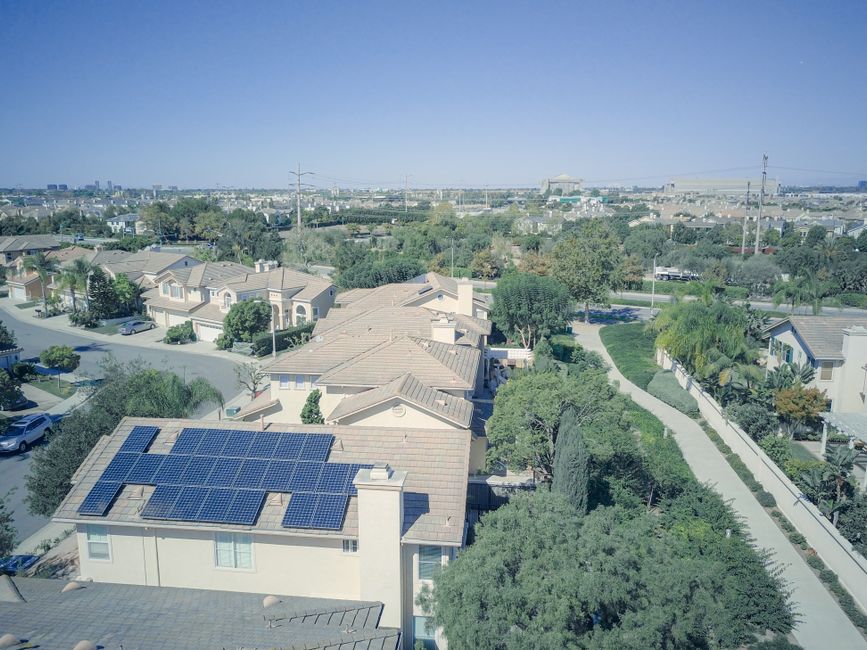
In short: The Metro East, Illinois’ side of the St. Louis area, gets the most sun of any Illinois metro we cover, about 1,220 kWh a year per kW of panels by our estimate. Most homes are on Ameren Illinois, which averaged 224 outage minutes per customer in 2024 (EIA). FEMA also rates earthquake risk “relatively high” here.
This page covers Edwardsville, O’Fallon and nearby towns: utilities, local risks, permits and charging. Illinois rules apply here, not Missouri’s; for statewide net metering, Illinois Shines and installer certification, see our Illinois energy guide.
Metro East at a glance
- Ameren Illinois: about 15.3¢ per kWh in 2024 for homes buying power from Ameren; 224 minutes of outages per customer with major events, 121 without; 1.13 interruptions a year (EIA-861, 2024). About half of Ameren’s households buy supply from another company.
- Southwestern Electric Cooperative: serves rural parts of Madison and St. Clair counties; about 13.7¢ per kWh; 305 outage minutes with major events and 263 without, about two interruptions a year (EIA-861).
- City utilities: Highland and Mascoutah run their own electric systems, and both offer net metering (EIA-861).
- Sun: about 4.2 kWh per square meter per day (NASA POWER, 2001 to 2020); our rough estimate is about 1,220 kWh a year per kW, about 9% more than Chicago.
- Top hazards: Madison and St. Clair counties are “relatively high” for cold waves, earthquakes, hail, heat waves, lightning, tornadoes and winter weather; St. Clair also for ice storms and flooding (FEMA National Risk Index, December 2025).
- Public charging: 38 ports in Edwardsville and 30 in O’Fallon; about 190 across ten Metro East towns, two thirds of them DC fast (AFDC, October 3, 2026).
Your utility and what it means
- Ameren Illinois: new solar since 2025 earns export credits on the supply part of the bill. Ameren pays a one-time $300 per kW of smart inverter size, and $300 per kWh for a battery paired with solar. The battery rebate requires Peak Time Rewards, Real Time Pricing or Power Smart Pricing, and the choice binds later residents of the house too (Citizens Utility Board, March 2026). On the two hourly options, exported power is valued at hourly market prices. Ameren’s virtual power plant tariff is approved but not yet launched (CUB, September 2026); confirm current terms with Ameren.
- Southwestern Electric and other co-ops: Clinton County, Monroe County, Tri-County, Egyptian and M J M co-ops also reach into the two counties. Each sets its own net metering policy, and Ameren’s rebates do not apply.
- Highland, Mascoutah, Freeburg: city or village utilities with their own interconnection rules; ask before you design.
Backup power in the Metro East
Two things set the Metro East apart. First, summer: FEMA rates heat waves “relatively high” in both counties, and an outage during a heat wave is a health risk for older people and anyone on medical equipment. Second, earthquakes. FEMA rates the expected yearly losses from earthquakes “relatively high” in Madison and St. Clair counties, unusual for Illinois. A large quake could cut power for days, so a home plan that covers several days, not hours, makes sense.
For a few hours, a portable power station runs fans, phones, Wi-Fi and a CPAP machine. A home battery switches on by itself and, with solar, can recharge every sunny day, which matters in a multi-day outage. A generator gives the most hours per dollar and can run a central air conditioner if sized for it. Compare all of them in backup power options and size yours with the generator sizing tool or the battery backup calculator.
Safety: the U.S. Consumer Product Safety Commission says to run a generator outdoors only, at least 20 feet from the house, with exhaust away from windows, doors and vents, never in a garage. Put battery-backed carbon monoxide alarms on every level. Wiring into the house needs a transfer switch or interlock installed by a licensed electrician; see generator installation. After an earthquake, have gas lines checked before running a gas generator or furnace.
Solar in the Metro East
With about 1,220 kWh a year per kW by our rough estimate, Metro East panels out-produce those in northern Illinois. On Ameren’s lines, the supply-only export credit means the best value comes from using solar power at home, for example running air conditioning on summer afternoons when panels produce most. If you buy supply from a retail supplier, ask how it credits exports. Check your roof with the solar potential tool, compare quotes in the solar savings calculator, and read solar installation and how net metering works.
Permits differ by town. In O’Fallon, a solar installation needs a building permit if it involves structural changes; otherwise an electrical permit covers it. Edwardsville publishes its own solar panel permit submittal requirements; homes in its historic district should ask about extra review before signing.
Batteries in the Metro East
Here a battery does three jobs: backup during summer storms and the rarer big event, keeping midday solar for the evening, and, on Ameren’s hourly options, avoiding expensive hours. The $300 per kWh Ameren rebate helps, if a rate option that stays with the house suits you. Peak Time Rewards is the low-risk choice: bill credits for cutting use at peak times, with no added cost (CUB). See home battery installation and home battery cost.
EV charging in the Metro East
Most public ports here are DC fast chargers: Edwardsville has 26 Level 2 and 12 DC fast ports, O’Fallon 14 and 16, and Fairview Heights, Collinsville and Shiloh have DC fast ports only (AFDC, October 3, 2026). For everyday driving, a Level 2 charger at home is cheaper; it needs a 240 V circuit by a licensed electrician and an electrical permit from your town. Estimate your cost with the EV charging cost calculator and read EV charger installation. We have not confirmed an Ameren Illinois EV charger rebate; ask Ameren.
Drive on another fuel? See every alternative fuel station in Edwardsville: hydrogen, propane, natural gas, E85 ethanol, biodiesel and renewable diesel.
Permits and inspections
- O’Fallon: Community Development, residential permits and its solar permit FAQ.
- Edwardsville: Public Works building permits and solar panel permit requirements.
- Unincorporated Madison County: Planning and Development, building permits and inspections. In St. Clair County, ask the county.
- Utility and HOA: Ameren, your co-op or city utility must approve the connection; subdivisions with associations need written approval.
Cities we cover
- Edwardsville
- O’Fallon
Get help
Are you a licensed installer in Edwardsville? Join SolutionEnergy and get requests from homeowners and businesses →
Tell us about your project and we will connect you with a licensed, independent installer who serves the Metro East area. It is free, there is no obligation, and only the installer you choose gets your details. Read how it works.
Metro East energy FAQ
Do Missouri solar rules apply in the Metro East?
No. Homes on the Illinois side follow Illinois law and their Illinois utility, usually Ameren Illinois, which is separate from Ameren Missouri. That means Illinois’ 2025 net metering rules, Ameren Illinois’ rebates, Illinois Shines and Illinois installer certification. Check that a St. Louis-based installer is certified in Illinois.
Is earthquake risk a reason to get backup power?
It is one reason. FEMA’s National Risk Index rates expected earthquake losses “relatively high” in Madison and St. Clair counties. A strong quake is rare but could cut power for days. A battery with solar, or a generator with stored fuel, plus water and medicine for several days, covers that case.
Do I need a permit for solar in O’Fallon?
Yes. The city says solar installations require a permit: a building permit if structural changes are proposed, otherwise an electrical permit. Ameren must also approve the connection. In Edwardsville, follow the city’s solar panel permit requirements, and in unincorporated Madison County, the county’s building department.
Are outages worse in rural Metro East areas?
On average, yes. Southwestern Electric Cooperative, which serves rural parts of Madison and St. Clair counties, reported about 305 minutes without power per customer in 2024, and 263 even without major events, against 224 and 121 for Ameren Illinois (EIA). Rural homes should plan for longer backup.
Sources
Utilities, prices, outages and supplier customers: U.S. Energy Information Administration, EIA-861 data for 2024. Ameren Illinois rebates and rate options: Citizens Utility Board fact sheet (March 2026) and program update (September 2026); Ameren’s site could not be reached on October 3, 2026. City of O’Fallon, City of Edwardsville and Madison County permit pages. Sun: NASA POWER, 2001 to 2020. Hazards: FEMA National Risk Index, December 2025. Charging: Alternative Fuels Data Center, October 3, 2026. Generator safety: CPSC.