In short: Buffalo and Amherst get power from National Grid, at about 17.2¢ per kWh for homes in 2024 (EIA). Storms are the risk: in January 2024 winds over 70 mph, lake-effect snow and rain cut power to 52,674 Western New York customers. FEMA rates Erie County “very high” for cold waves and winter weather.
This page covers what is different in the Buffalo area: National Grid’s programs and outage record, Erie County’s hazards, Buffalo’s permit office and the local charging network. For statewide rules (net metering, the state solar tax credit, NY-Sun and licensing), see our New York energy guide.
Buffalo at a glance
- National Grid (Niagara Mohawk): serves Buffalo and Amherst. About 17.2¢ per kWh for homes in 2024. Outages across its upstate system: about 510 minutes per customer with major events, 141 without; 1.7 interruptions a year (EIA-861, 2024).
- Other utilities: NYSEG serves parts of Erie and Niagara counties (about 18.3¢; 655 minutes with major events), and the Villages of Akron and Springville run their own electric systems (EIA-861).
- Supplier choice: about one in fifteen National Grid households bought supply from another company in 2024 (EIA-861).
- Sun: about 3.6 kWh per square meter per day in Buffalo, from about 1.1 in December to 5.9 in June (NASA POWER, 2001 to 2020). Our rough estimate: about 1,050 kWh a year per kW of panels.
- Top hazards: FEMA’s National Risk Index (December 2025) rates Erie County “very high” for cold waves and winter weather and “relatively high” for ice storms, lightning, flooding and tornadoes.
- Public charging: 492 public ports at 176 locations in Buffalo and 111 at 22 locations in Amherst (AFDC, October 3, 2026).
Your utility and what it means
- National Grid, solar: statewide net metering applies (see the state page). Systems connected since 2022 pay a monthly Customer Benefit Contribution of $0.97 per kW in 2026, about $7 a month for a 7 kW system (NYSERDA).
- National Grid, batteries: ConnectedSolutions pays $50 per kW of average battery output during summer events (May to September, 2 to 10 p.m., up to 60 events of four hours or less), about $250 a year on average by National Grid’s figure. Approved brands qualify with or without solar. NYSERDA’s home battery incentive in National Grid territory requires enrolling (National Grid; NYSERDA).
- National Grid, EVs: the EV Charge Smart Plan pays $25 to sign up and $25 a month when at least 80% of your home charging, 50 kWh or more, happens between 11 p.m. and 7 a.m.; standard residential rate only (National Grid).
- NYSEG: its battery program pays $50 per kW a year for events between noon and 7 p.m.; its solar charge is $1.19 per kW a month in 2026 (NYSERDA).
Backup power in Buffalo
Western New York storms come off the lake with wind, snow and rain at once. On January 9, 2024, gusts above 70 mph, lake-effect snow and heavy rain cut power to 52,674 National Grid customers in Western New York; crews replaced more than 130 broken poles, and 96% were back by the afternoon of January 11, with Cattaraugus, Chautauqua and Erie counties hit hardest (National Grid). Across its upstate system, National Grid restored nearly 190,000 customers that week. Across 2024 as a whole, its customers averaged about 8.5 hours without power with major storms included, against about 2 hours 20 minutes on normal days (EIA).
A two-day winter outage in Buffalo means no furnace, a sump pump that stops in a thaw, and pipes at risk. A generator on a transfer switch or a standby unit is the usual answer for that; a home battery covers shorter outages silently; a portable power station keeps phones, Wi-Fi and a CPAP running. Run a portable generator outdoors only, at least 20 feet from the house, exhaust away from windows and doors, never in a garage, and keep drifting snow from blocking its exhaust (CPSC). A licensed electrician must install any connection to house wiring. Compare options in backup power options, size them with the generator sizing tool or the battery backup calculator, and read generator installation.
Solar in Buffalo
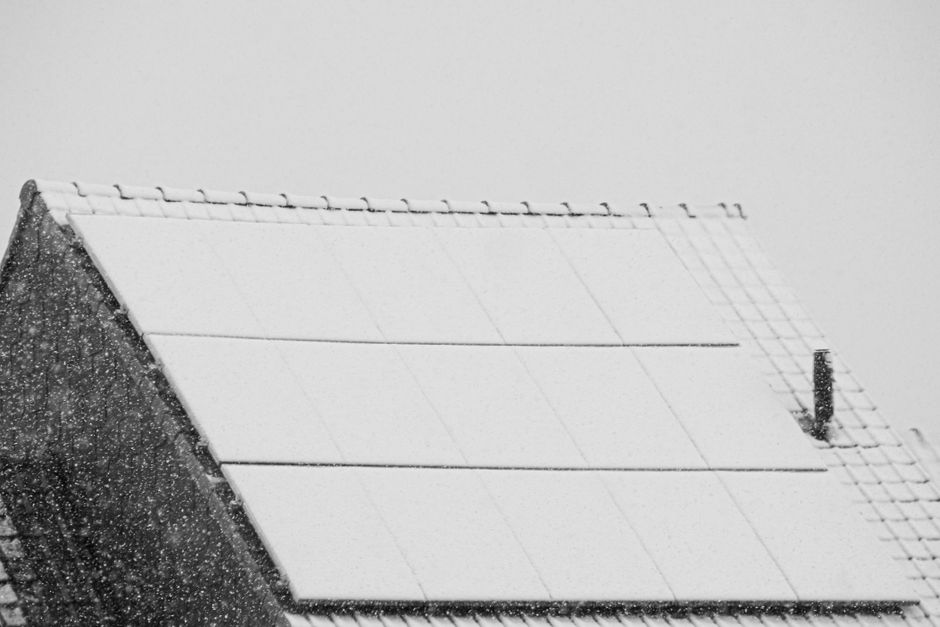
Buffalo gets about 1,050 kWh a year per kW of panels by our rough estimate, but very unevenly: December brings about a fifth of June’s sunlight, and lake-effect snow can cover panels for days. Net metering carries summer credits into winter bills. Steeper roof pitches shed snow faster, and an installer should check that the roof can carry snow load plus panels. With National Grid’s lower prices, compare a real quote carefully: test your roof with the solar potential tool and run the solar savings calculator. More in solar installation and how net metering works.
Batteries in Buffalo
A battery here earns its keep in two seasons: as backup in winter storms and through National Grid’s summer payments. Lithium batteries lose performance in the cold, so a spot in a basement or heated garage is better than an outside wall; follow the maker’s temperature limits and your building department’s rules. Ask your installer whether your battery brand is on National Grid’s approved list, since the NYSERDA incentive depends on enrolling. See home battery installation and home battery cost.
EV charging in Buffalo
Buffalo lists 492 public charging ports and Amherst 111 (AFDC, October 3, 2026). At home, National Grid’s EV Charge Smart Plan can return $25 a month for overnight charging. Cold weather cuts EV range, and a car plugged in at home can warm its cabin and battery before you leave. A Level 2 charger needs a 240 V circuit from a licensed electrician and a permit. Estimate your cost with the EV charging calculator and read EV charger installation.
Drive on another fuel? See every alternative fuel station in Buffalo: hydrogen, propane, natural gas, E85 ethanol, biodiesel and renewable diesel.
Permits and inspections
- Buffalo: the Building Permit Office in the Department of Permit & Inspection Services issues permits and reviews plans under the New York State building codes.
- Amherst and suburbs: the Town of Amherst and other towns and villages issue their own permits.
- Utility: solar and batteries need National Grid’s (or NYSEG’s) interconnection approval; installers usually file it.
- Electricians and HOAs: New York licenses electricians locally, so ask the city or county; get HOA approval in writing first.
Cities we cover
- Buffalo
- Amherst
Get help
Are you a licensed installer in Buffalo? Join SolutionEnergy and get requests from homeowners and businesses →
Tell us about your project and we will connect you with a licensed, independent installer who serves the Buffalo area. It is free, there is no obligation, and only the installer you choose gets your details. Read how it works.
Buffalo energy FAQ
Does solar work in Buffalo’s snow?
Yes, with realistic expectations. Our rough estimate is about 1,050 kWh a year per kW, mostly from spring to early fall; December brings about a fifth of June’s sunlight, and snow-covered panels make nothing until they clear. Net metering lets summer surplus offset winter bills.
How bad are power outages in the Buffalo area?
Usually short, sometimes not. National Grid’s upstate customers averaged about 2 hours 20 minutes without power on normal days in 2024 and about 8.5 hours with major storms. The January 2024 windstorm cut power to 52,674 Western New York customers; most were back within two days.
Who issues solar and generator permits in Buffalo?
Inside the city, the Building Permit Office of the Department of Permit and Inspection Services. In Amherst and other suburbs, the town or village building department. Your installer or electrician normally pulls the permit, and National Grid approves the grid connection for solar and batteries.
Can I get paid for my battery by National Grid?
Yes. ConnectedSolutions pays $50 per kW of average battery output during summer events, about $250 a year on average by National Grid’s figure, for approved brands with or without solar. Enrolling is required for NYSERDA’s home battery incentive.
Sources
Utilities, prices, outages, supplier customers: U.S. Energy Information Administration, EIA-861 data for 2024 (National Grid’s figures cover its whole upstate system). National Grid release of January 11, 2024 on the Western New York windstorm; ConnectedSolutions battery page and EV Charge Smart Plan FAQ, read October 3, 2026. NYSERDA 2026 Customer Benefit Contribution rates and January 2026 storage webinar. City of Buffalo, Department of Permit & Inspection Services. Sun: NASA POWER, 2001 to 2020. Hazards: FEMA National Risk Index, December 2025. Charging: Alternative Fuels Data Center, October 3, 2026. Generator safety: CPSC.