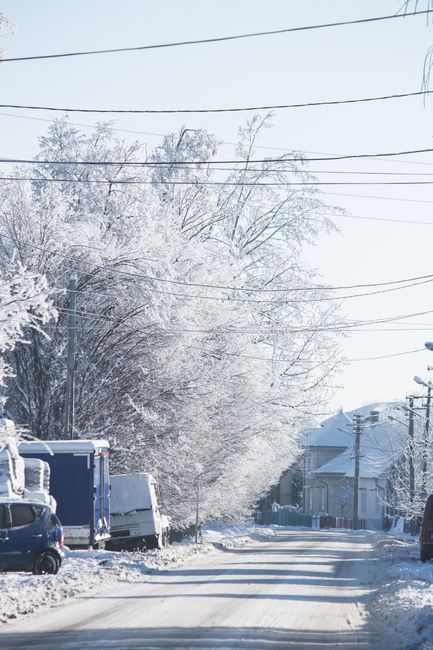
In short: Oklahoma is one of only a handful of states where FEMA rates ice storm risk very high, and its customers averaged 1.7 power interruptions in 2024 (EIA). Electricity is cheap, 14.35¢/kWh in July 2026, and exported solar earns only avoided cost. So backup power usually comes before solar here, and the wind is strong.
Ice in winter, tornadoes and high wind in spring, heat in summer: Oklahoma’s weather is hard on power lines, and the state’s numbers reflect it. This guide uses Oklahoma’s own data, with sources and dates, to show what is worth doing for backup, solar, batteries and EV charging.
Oklahoma at a glance
- Home electricity price: 14.35¢/kWh in July 2026, about 22% below the 18.31¢ U.S. average (13.52¢ a year earlier); 13.58¢ for January to July 2026 (EIA, preliminary).
- Outages: about 271 minutes per customer in 2024 including major events, 120 minutes without them; 1.7 interruptions per customer with major events, 1.15 without (EIA-861, 2024).
- Sun: 4.74 kWh/m² a day in Oklahoma City; roughly 1,380 kWh a year per kW of panels (our estimate from NASA POWER data).
- Net metering: net billing. Solar offsets what you use, but excess is credited at the utility’s avoided energy cost (Oklahoma Corporation Commission).
- Plug-in (balcony) solar: no state law.
- Electric cars: 26,800 battery-electric cars and 29,100 plug-in hybrids (2025); 1,566 public charging ports, 927 of them DC fast (AFDC, October 2026).
- Main utilities: OG&E (40% of customers), Public Service Company of Oklahoma (28%), Oklahoma Electric Cooperative (3%), City of Edmond (2%) (EIA-861, 2024).
- Top weather hazards: ice storms (very high); tornadoes, strong wind, winter weather, cold waves and heat waves (relatively high); wildfire (relatively moderate) (FEMA National Risk Index, December 2025).
- Wildfire power shutoffs: we found no OG&E or PSO shutoff program; ask your utility.
Backup power in Oklahoma
Two numbers describe Oklahoma’s grid. The first is frequency: 1.7 interruptions per customer in 2024, more than in about 30 other states and the District of Columbia (EIA-861). The second is length: about 4.5 hours of outage per customer once major events are counted, about 2 hours without them. Ice storms are the outage to plan for. Ice-laden lines and trees can leave neighborhoods dark for days in freezing weather, when a home without power also loses its furnace blower and, in rural areas, its well pump. Tornado and wind damage brings sudden outages in spring, and heat waves raise the stakes in summer.
- For multi-day ice storms: a generator, portable on a transfer switch or standby on natural gas or propane, is the most practical way to keep heat, water and food going for days. Size it with the generator sizing calculator.
- For frequent short outages: a home battery switches on in a fraction of a second, which matters when outages come often. Estimate size with the battery backup calculator.
- For the go-bag: a portable power station keeps phones, a weather radio and a CPAP running, and goes with you to a shelter.
During an ice storm the temptation is to run a generator in the garage. Don’t. Outdoors only, at least 20 feet from the house, exhaust pointed away from windows, doors and vents, never in a garage even with the door open (CPSC), and battery or battery-backup carbon monoxide alarms on every level. A licensed electrician should install the transfer switch or interlock, with a permit.
Solar in Oklahoma
Oklahoma has good sun, about 1,380 kWh a year per kilowatt of panels in Oklahoma City by our rough estimate, but two things slow the payback. Power is cheap, and the state uses net billing: under Oklahoma Corporation Commission rules for systems up to 300 kW, the solar you use at home offsets retail purchases, but the excess you send to the grid is paid or credited at the utility’s avoided energy cost in the next billing cycle, well below the retail price.
Here is what that means in numbers, by our estimate. A 6 kW system would make roughly 8,300 kWh a year. If you used all of it yourself, it would be worth up to about $1,190 at the July 2026 rate of 14.35¢, or about $1,120 at the year-to-date 13.58¢. Every kilowatt-hour you export instead is worth much less. So in Oklahoma a smaller system matched to your daytime use, or solar with a battery, tends to make more sense than a big array. These are estimates, not promises. Run your roof through the solar potential calculator, check prices in the solar cost guide, and read net metering and net billing explained.
Incentives: we found no state solar or battery incentive for homes that we could confirm in October 2026, and the federal 25D credit ended for systems completed after December 31, 2025. Ask your utility about any programs, and see energy incentives and the solar guide. Oklahoma has no plug-in (balcony) solar law; utility interconnection rules apply.
EIA counted about 16,800 net-metered home solar systems in Oklahoma in 2024, about 124 MW, and 318 with a battery.
Home batteries in Oklahoma
Net billing changes the battery math in Oklahoma’s favor. A battery soaks up midday solar that would otherwise be exported at avoided cost and uses it in the evening at the retail rate, and it doubles as backup for the state’s frequent interruptions. It is not a full answer to a three-day ice storm on its own unless it is large or paired with solar or a generator. Compare prices in home battery cost and read home batteries. We found no confirmed state battery incentive.
EV charging in Oklahoma
Oklahoma is unusual: plug-in hybrids (29,100) outnumber battery-electric cars (26,800) (AFDC, 2025). The public network leans toward fast charging, with 927 of its 1,566 ports DC fast, about 59%, at 385 locations, which suits highway travel between the cities.
Drive on another fuel? See every alternative fuel station in Oklahoma: hydrogen, propane, natural gas, E85 ethanol, biodiesel and renewable diesel.
At home, cheap power makes charging inexpensive. Our estimate at 14.35¢ and about 30 kWh per 100 miles (a fueleconomy.gov-style assumption) is about $4.31 per 100 miles, roughly $43 for 1,000 miles a month, against about $14.88 per 100 miles for a 30-mpg car at the U.S. average of $4.465 a gallon (EIA, late September 2026). A plug-in hybrid charges fine on a standard outlet; a full EV is easier with a Level 2 charger on a 240 V circuit installed by a licensed electrician. Run your numbers in the EV charging cost calculator and see home EV charging. The federal 30C charger credit ended for chargers placed in service after June 30, 2026.
Off-grid, small wind and micro-hydro
Oklahoma’s wind is a real resource. NASA’s 20-year data shows about 7.1 m/s average at 50 m around Oklahoma City and about 5.0 m/s at 10 m, above the 4.5 m/s DOE suggests at hub height for a grid-tied turbine. On open rural land with a tall tower, small wind can be worth measuring, though under net billing its exports earn avoided cost just like solar. Turbines must also be built and anchored for the state’s severe wind. For ranches, wells and outbuildings far from a line, a solar-wind-battery system with a generator can work; start with wind energy, off-grid power systems and the off-grid planner. Hydroelectric power covers water; we have not checked state micro-hydro sources.
Licensing and permits in Oklahoma
Electricians and electrical contractors are licensed statewide by the Oklahoma Construction Industries Board (electrical licensing). Its online license lookup did not load when we checked, so search the board’s website for its license verification page, or call the board, before you hire. Permits come from your city or county, and your utility must approve interconnection before solar, wind or a grid-tied battery is switched on.
Local guides in Oklahoma
Utilities, rates, outage records, permit offices and local programs for each area:
Where we cover in Oklahoma
- Oklahoma City: Oklahoma City, Edmond, Norman, Moore, Yukon, Mustang
- Tulsa: Tulsa, Broken Arrow, Owasso, Bixby, Jenks
- Lawton: Lawton
- Stillwater: Stillwater
Local pages will follow as we verify local information and installers.
Get quotes in Oklahoma
Are you a licensed installer in Oklahoma? Join SolutionEnergy and get requests from homeowners and businesses →
Tell us about your project and we will connect you with a licensed, independent installer who serves Oklahoma. It is free, there is no obligation, and only the installer you choose gets your details. See how it works.
Oklahoma energy FAQ
Does Oklahoma have net metering?
It has net billing. Under Oklahoma Corporation Commission rules for systems up to 300 kW, solar you use at home offsets retail purchases, but excess sent to the grid is paid or credited at the utility’s avoided energy cost in the next billing cycle, which is well below retail. Sizing to your own use matters.
What is the best backup for an Oklahoma ice storm?
For outages lasting days in freezing weather, a generator on a transfer switch or a natural gas or propane standby unit is the most dependable choice, because it can run the furnace and well pump as long as fuel lasts. A battery covers shorter outages, and longer ones when paired with solar.
Is solar worth it in Oklahoma?
It can be, with the right size. Sun is good, but power is cheap and exports earn avoided cost, so a system matched to your daytime use, or paired with a battery, pays back better than a large one. By our estimate a 6 kW system’s output is worth up to about $1,190 a year if fully used at home.
Are there solar rebates in Oklahoma?
We found no confirmed state rebate or tax credit for home solar or batteries in 2026, and the federal 25D credit ended for systems completed after 2025. Ask your utility or city about local programs before you sign.
How do I check an electrician’s license in Oklahoma?
Electrical licenses are issued by the Oklahoma Construction Industries Board. Its lookup was not loading when we checked, so search the board’s website for license verification or contact the board, and ask the contractor for the license number and proof of insurance.
Sources
Electricity prices: EIA Electric Power Monthly, Tables 5.6.A and 5.6.B (July 2026, preliminary). Outages, utilities and solar counts: EIA-861 (2024). Sun and wind: NASA POWER climatology 2001–2020; DOE small wind guidebook. Hazards: FEMA National Risk Index (December 2025). Electric cars and charging: AFDC (registrations 2025; stations read October 3, 2026). Net billing: Oklahoma Corporation Commission. Licensing: Oklahoma Construction Industries Board. Generator safety: CPSC. Checked October 2026.