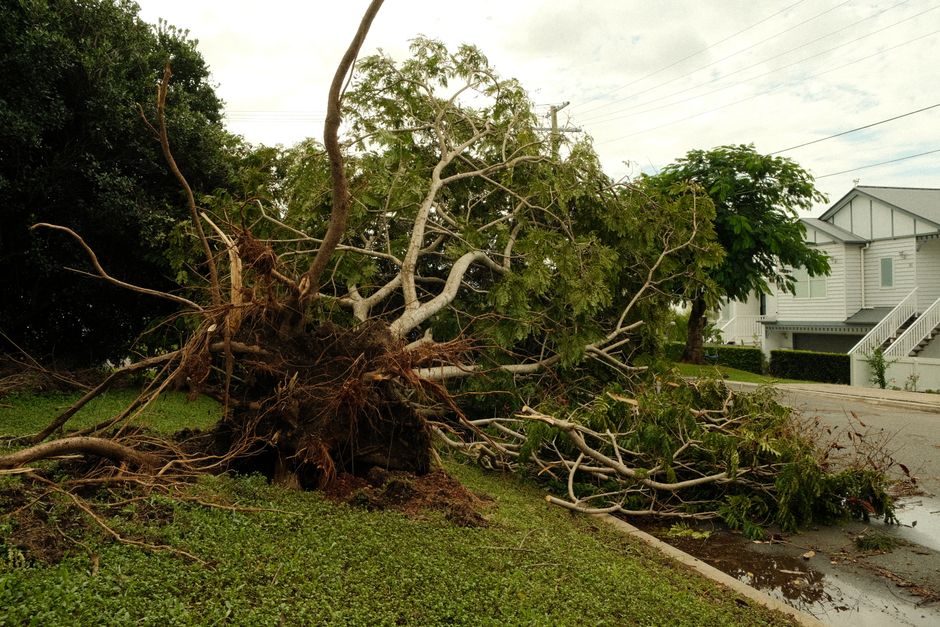
In short: Alabama homes paid about 16.4¢ per kWh in July 2026, roughly 10% below the U.S. average, and the typical customer lost about 4.7 hours of power in 2024. Tornadoes and cold snaps are the top weather risks. With no statewide net metering, solar here pays mainly by covering your own use, not by selling power back.
This guide turns Alabama’s own numbers into plain answers: what kind of backup power fits the outages you actually get, when solar and a home battery make sense, what it costs to charge an electric car at Alabama rates, and how to check that an installer is licensed. Every figure carries its source and date.
Alabama at a glance
- Home electricity price: 16.4¢/kWh in July 2026 (EIA, preliminary), up from 15.93¢ in July 2025; 16.54¢ average for January to July 2026. U.S. average: 18.31¢ (EIA, July 2026).
- Outages in 2024: 279 minutes per customer including major storm days, 118 minutes without them; about 1.9 interruptions per customer, or 1.0 on normal days (EIA-861, 2024).
- Sun: about 4.5 kWh per square meter per day in Birmingham (NASA POWER, 2001–2020), which works out to roughly 1,310 kWh per kW of panels per year (our rough estimate; tilted, south-facing panels usually do better).
- Net metering: no statewide net metering law or rule; utilities set their own terms (reported, see below).
- Plug-in (balcony) solar law: none as of October 2026.
- Electric vehicles: 24,400 battery-electric and 8,300 plug-in hybrid cars registered through 2025; 1,739 public charging ports at 567 locations, 906 of them DC fast (AFDC, October 2026).
- Main utilities: Alabama Power serves about 57% of customers; City of Huntsville utilities about 8%; Baldwin County EMC and City of Athens follow (EIA-861, 2024).
- Top weather hazards: tornado and cold wave rated relatively high; hurricane, winter weather, ice storm, heat wave and strong wind relatively moderate (FEMA National Risk Index, December 2025).
- Planned wildfire shutoffs (PSPS): no program found for Alabama Power or TVA distributors.
Backup power in Alabama
The gap between Alabama’s two outage numbers tells the story. On ordinary days the average customer was without power for about two hours in 2024. Add the major storm days and it climbs to about 4.7 hours. Most of the lost time comes from a few big weather events, and FEMA’s risk index points to tornadoes and cold waves as the costliest ones for the state, with hurricanes, ice storms and strong wind rated relatively moderate.
That pattern suggests three sensible levels of preparation:
- Short, everyday outages: a portable power station keeps phones, Wi-Fi, lights and a CPAP going for a night with no fumes and no noise.
- Storm outages of a day or more: a portable or standby generator runs the fridge, fans and, with a larger unit, a well pump or part of the air conditioning. In a cold snap, remember that most gas furnaces still need electricity for the blower.
- Quiet, automatic backup: a home battery switches over in a fraction of a second and, paired with solar, can recharge itself during a long outage.
If you choose a generator, safety is not optional. The U.S. Consumer Product Safety Commission (CPSC) says to run it outdoors only, at least 20 feet from the house, with the exhaust pointed away from windows, doors and vents, and never in a garage, even with the door open. Put battery-powered carbon monoxide alarms on every level. Connecting a generator to house wiring needs a transfer switch or interlock installed by a licensed electrician. To size your system, try the battery backup calculator or the generator sizing calculator.
Solar in Alabama
Alabama has decent sun but some of the least favorable rules for selling solar power back to the grid. There is no statewide net metering law or Public Service Commission rule. Alabama Power is reported to buy extra solar power at its avoided cost (what it would otherwise pay to produce power, usually well below the retail price) under its own riders, and to add a monthly capacity reserve charge for solar customers. Utilities that buy power from TVA, including in the Huntsville area, are reported to follow TVA policy, which does not offer retail net metering. We rate this information as low confidence: ask your utility for its current solar rider in writing before you sign anything.
The result shows in the numbers. EIA counted only 76 net-metered home solar systems in Alabama in 2024, about 0.9 MW in total. That count leaves out systems on other billing arrangements, so the real number is higher, but solar is clearly still rare here.
When does it pay? A rough estimate: each kW of panels in Birmingham makes about 1,310 kWh a year. If every one of those kWh replaced power you would have bought at 16.4¢, that kW would save about $215 a year. A 6 kW system would save up to roughly $1,290 a year, but only the share you use yourself, as it is produced, earns that full value. Power sent back to the grid earns the much lower buyback rate. So in Alabama the best case is a system sized to your daytime use, or one paired with a battery that stores midday power for the evening. These are estimates, not promises; your roof, shade and bill decide the real result. Run your address through the solar potential calculator, compare solar costs, and read how net metering and net billing work.
There is no Alabama plug-in or balcony solar law, so small plug-in kits fall under your utility’s interconnection rules like any other system. The federal 25D tax credit for home solar and batteries ended for systems completed after December 31, 2025, and we found no confirmed statewide solar incentive for 2026. Start at our solar guide and check incentives for any utility offers.
Home batteries in Alabama
A battery earns its place in Alabama for two reasons. First, backup: storms cause most of the state’s outage hours, and a battery covers the fridge, lights, internet and medical devices without fuel or fumes. Second, because exported solar is worth little here, a battery lets you keep your own midday solar power for the evening instead of selling it cheaply. EIA recorded no battery-paired net-metered systems in Alabama in 2024, so you will be among the early adopters.
We found no confirmed state battery program. See our home battery guide for how they work and home battery costs for current price ranges.
EV charging in Alabama
Alabama had 24,400 battery-electric cars on the road through 2025, about 14 for every public charging port. Unusually, more than half of those public ports (906 of 1,739) are DC fast chargers, which helps on longer highway trips.
Drive on another fuel? See every alternative fuel station in Alabama: hydrogen, propane, natural gas, E85 ethanol, biodiesel and renewable diesel.
At home, charging is cheap. Using a typical figure of about 30 kWh per 100 miles (the kind of rating shown on fueleconomy.gov), 100 miles costs about $4.90 at Alabama’s July 2026 price, and 12,000 miles a year about $590. These are estimates; your car, your rate plan and how much you charge at home change the result. The federal 30D EV credit ended on September 30, 2025, and the 30C charger credit ended for chargers placed in service after June 30, 2026. A Level 2 charger needs a 240-volt circuit installed by a licensed electrician, usually with a permit. Learn more in our EV charging guide or work out your own cost with the EV charging cost calculator.
Off-grid, small wind and micro-hydro
For cabins, barns and hunting land away from power lines, solar with batteries is the practical choice in Alabama; see off-grid power. Small wind is a long shot: NASA POWER puts the average wind speed at 50 meters near the middle of the state at about 4.0 m/s, below the roughly 4.5 m/s the U.S. Department of Energy suggests for a grid-tied home turbine, and small turbines sit lower than that. Only a measured, unusually windy site would justify one. Read more on wind energy. Micro-hydro needs a year-round stream with real drop; we have no state data on it, but our hydropower page explains the basics.
Licensing and permits in Alabama
Alabama has no separate solar license. Solar, battery, generator and EV charger wiring is electrical work, so the company needs an electrical contractor license from the Alabama Electrical Contractors Board; use the license search linked from the board’s website. Building and electrical permits come from your city or county. Before any system is connected to the grid, your utility must approve it under its interconnection rules, and gas lines for a standby generator need a licensed gas or plumbing contractor.
Local guides in Alabama
Utilities, rates, outage records, permit offices and local programs for each area:
Where we cover in Alabama
- Birmingham: Birmingham, Hoover, Vestavia Hills
- Huntsville: Huntsville, Madison
- Montgomery: Montgomery, Auburn
- Mobile–Baldwin County: Mobile, Daphne
Local pages for these areas will follow as we verify local information and installers.
Get quotes in Alabama
Are you a licensed installer in Alabama? Join SolutionEnergy and get requests from homeowners and businesses →
Tell us about your project and we will connect you with a licensed, independent installer who serves Alabama. It is free, there is no obligation, and only the installer you choose gets your details. See how it works.
Alabama energy FAQs
Does Alabama have net metering?
Not statewide. Alabama has no net metering law or Public Service Commission rule, so each utility sets its own terms. Alabama Power is reported to credit extra solar power at its avoided cost, well below the retail price, and TVA-area utilities are reported to follow TVA policy. Ask your utility for its current solar rider before you buy.
How often does the power go out in Alabama?
In 2024 the average customer had about 1.9 interruptions and 279 minutes without power, including major storm days (EIA-861). Without those storm days it was about one interruption and 118 minutes. Storms, mainly tornadoes and cold waves according to FEMA’s risk index, cause most of the lost hours.
Are there solar or battery incentives in Alabama in 2026?
We found no confirmed statewide solar or battery incentive for 2026, and the federal 25D credit ended for systems completed after December 31, 2025. Some utilities run their own programs from time to time, so check your utility’s website and our incentives page, and confirm any offer in writing because amounts change.
Can I use a plug-in balcony solar panel in Alabama?
Alabama has no plug-in solar law as of October 2026, so a plug-in kit that feeds power into a wall outlet falls under your utility’s normal interconnection rules. Ask the utility before connecting one. Panels that only charge a portable power station, without connecting to house wiring, are a different and simpler case.
What does it cost to charge an EV at home in Alabama?
At 16.4¢ per kWh (EIA, July 2026) and about 30 kWh per 100 miles, roughly $4.90 per 100 miles, or about $590 for 12,000 miles a year. That is an estimate: efficient cars use less, trucks and SUVs more, and your utility’s rate plan matters.
Sources
Electricity prices: U.S. Energy Information Administration (EIA), Electric Power Monthly, July 2026 (preliminary). Outages, utilities and net-metered solar: EIA-861, 2024 data. Weather hazards: FEMA National Risk Index, December 2025. Sun and wind: NASA POWER, 2001–2020 averages. EV registrations and charging ports: U.S. Department of Energy Alternative Fuels Data Center (AFDC), 2025 registrations and station counts read October 3, 2026. Licensing: Alabama Electrical Contractors Board. Net metering terms: Alabama Public Service Commission and utility information, checked October 2026. Generator safety: CPSC.