
This article contains affiliate links: if you buy through them we may earn a commission, at no extra cost to you. Learn more.
It’s January, it’s 4°F outside, and the kids are doing homework at the kitchen table in socks instead of three sweaters. The outdoor unit hums quietly in the snow, steams for a minute while it defrosts, and keeps going. That’s what a good cold-climate heat pump looks like on the worst night of the year. The old kind gave up around freezing and left you on expensive backup heat; the new kind is built to keep working.
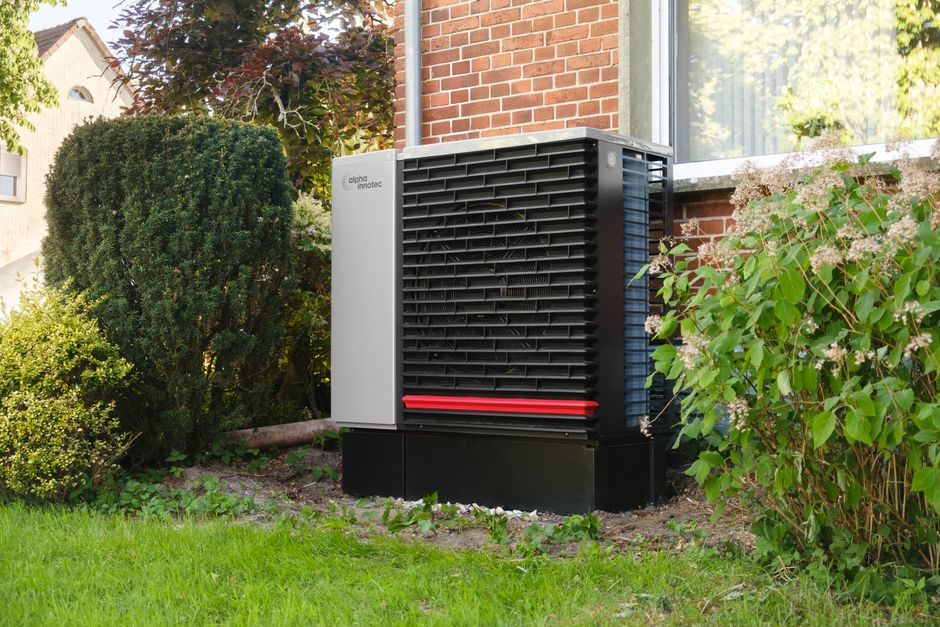
The best heat pumps for cold climates are models that meet the NEEP cold-climate specification: a COP of at least 1.75 at 5°F and at least 70% of their rated heat at 5°F. For a budget ductless system, the Senville AURA heats down to -22°F; for a true do-it-yourself install, the MRCOOL DIY 5th Gen is the pick; for whole-home ducted systems, ask installers for a model on NEEP’s list.
Below: six cold-climate options you can buy online or through a dealer, what each maker says about low-temperature heating, who has to install them for the warranty to count, and how to size one so you aren’t cold at 0°F. We researched and compared maker specs and warranties; we did not test these units.
Prices change often. The prices below are what we saw at the maker or a major retailer in October 2026; check the current price before you buy. Installed systems have no fixed price, so get two or three quotes.
Our top picks
Senville AURA 24K (SENA-24HF)
- Heats down to -22°F (maker)
- 21 SEER2, 13.5 HSPF2-4
- About $1,800 (maker, Oct 2026)
Cooper & Hunter Hyper Heat
- Heats down to -22°F (maker)
- Base-pan heater
- 7 yr compressor, 5 yr parts
MRCOOL DIY 5th Gen E Star 12K
- 23.5 SEER2, ENERGY STAR
- Pre-charged 25 ft Quick Connect lines
- Homeowner install keeps the warranty
MRCOOL DIY Easy Pro 12K
- 19.5 SEER2, 9.3 HSPF2
- 115 V, 16 ft Quick Connect lines
- About $1,650 (retailer sale, Oct 2026)
Senville AURA 12K (SENA-12HF)
- 12,000 BTU, 208-230 V
- Heats down to -22°F (maker)
- Pro install required
Gradient All-Weather 120V
- 7,200 BTU at 5°F
- Heats down to -13°F
- Plugs into 120 V, no lines to run
Cold-climate heat pumps compared
| Model | Size | Lowest heating temp (maker) | Who installs | Warranty | About (Oct 2026) |
|---|---|---|---|---|---|
| Senville AURA 24K | 24,000 BTU (29,000 max heat) | -22°F | Pro required | 10 yr compressor, 5 yr parts | $1,800 |
| Cooper & Hunter Hyper Heat | Several sizes | -22°F | Licensed HVAC pro | 7 yr compressor, 5 yr parts | Dealer price |
| MRCOOL DIY 5th Gen 12K | 12,000 BTU | -13°F (retailer spec) | You (electrician for the circuit) | 7 yr compressor, 5 yr parts | $2,160 |
| MRCOOL DIY Easy Pro 12K | 12,000 BTU | -13°F (retailer spec) | You (electrician for the circuit) | 5 yr compressor, 3 yr parts | $1,650 |
| Senville AURA 12K | 12,000 BTU | -22°F | Pro required | Check at purchase | Check price |
| Gradient All-Weather | 9,000 BTU heat (47–17°F) | -13°F | Window mount, 120 V outlet | Not stated on the page we read | Contact sales |
“Lowest heating temp” is where the maker says the unit still runs, not where it still gives full output. Capacity drops as it gets colder, so the number that matters for sizing is heat output at 5°F or your local design temperature.
What makes a heat pump “cold climate”?
There’s a real yardstick. NEEP (Northeast Energy Efficiency Partnerships) runs the Cold Climate Air Source Heat Pump Specification, now Version 4.0, in effect since January 1, 2023. A listed model must reach a COP (coefficient of performance) of at least 1.75 at 5°F, meaning it delivers 1.75 units of heat for each unit of electricity even in deep cold, and keep at least 70% of its 47°F heating capacity at 5°F. ENERGY STAR’s Cold Climate designation uses the same two thresholds. NEEP’s free product list holds tens of thousands of models with their measured output at 5°F, so you can look up any model number a contractor quotes.
The US Department of Energy pushed further with its Residential Cold Climate Heat Pump Challenge, which asked makers for full (100%) capacity at 5°F. Field tests ran from winter 2022 into 2024, and Carrier, Lennox, Bosch and Trane announced commercial versions. Ask installers about these newer ducted models if you’re replacing a whole-house furnace.
The best heat pumps for cold climates
1. Senville AURA 24K: best value cold-climate
The AURA is Senville’s cold-climate line. The 24,000 BTU model (SENA-24HF) is rated 21 SEER2 and 13.5 HSPF2 (Region IV), is ENERGY STAR certified, and Senville says it heats at -22°F with a maximum heating output of 29,000 BTU. It uses R-454B refrigerant, comes pre-charged for up to 25 feet of line, and ships with a 16-foot kit (25 and 50 feet optional). The warranty is 10 years on the compressor and 5 on parts. The catch: Senville says the R-454B system “must be installed and commissioned by a professional,” and its warranty page says line-set pressure testing and evacuation must be done by a licensed HVAC professional.
- Good: rated to -22°F; strong heating efficiency on paper; about $1,800 for the system at senville.com (October 2026), well below most installer-brand equipment.
- Watch out: you still pay an HVAC pro to install it; 230 V circuit needed; Senville doesn’t publish 5°F output on the page we read, and we couldn’t confirm a NEEP listing, so check the model number on NEEP’s list.
- Best for: a large open living area or a small home in a cold region, with a local installer lined up.
Check the Senville AURA 24K price on Amazon
2. Cooper & Hunter Hyper Heat: best dealer-installed budget line
Cooper & Hunter’s Hyper Heat mini splits are its cold-climate series, rated to heat down to -22°F, with a base-pan heater that keeps defrost water from freezing in the outdoor unit. The warranty is 7 years on the compressor and 5 on parts, but Cooper & Hunter’s policy says it applies only to systems installed by a licensed HVAC contractor and registered within 60 days of installation. Sizes, efficiency and 5°F output vary by model, so ask the dealer for the exact model number and check it on NEEP’s list.
- Good: -22°F rating; base-pan heater; single and multi-zone options through dealers.
- Watch out: no public list price in what we read; strict install-and-register rule for the warranty.
- Best for: homeowners getting dealer quotes who want a lower-cost alternative to the big installer brands.
3. MRCOOL DIY 5th Gen E Star 12K: best you can install yourself
MRCOOL is the one big brand whose warranty allows homeowner installation. The 5th Gen E Star 12K (115 V) is rated 23.5 SEER2 and 10.2 HSPF2 in Region IV (7.6 in the colder Region V), is ENERGY STAR certified, and comes with a 25-foot pre-charged Quick Connect line set using R-454B, so there’s no vacuum pump or gauges. Retailer spec sheets list heating operation down to -13°F; MRCOOL’s own pages we read didn’t state a low-temperature figure or 5°F output. The warranty is 7 years on the compressor and 5 on parts, with no registration required, as long as it’s installed per the instructions and local codes.
- Good: real DIY with the warranty intact; high efficiency; sizes from 9K to 36K and multi-zone.
- Watch out: Region V HSPF2 (7.6) is modest, so in a very cold place it’s a room heater, not whole-home heat; the new circuit and disconnect are electrician work; about $2,160 on sale at a retailer (October 2026).
- Best for: a bedroom, office or addition in a cold region, installed over a weekend.
Check the MRCOOL DIY 5th Gen price on Amazon
4. MRCOOL DIY Easy Pro 12K: budget DIY
The Easy Pro is MRCOOL’s lower-priced DIY line: 12,000 BTU at 115 V, 19.5 SEER2 and 9.3 HSPF2, with a 16-foot Quick Connect line set. Retailers list heating operation down to -13°F. MRCOOL’s warranty page gives 5 years on the compressor and 3 years on parts, again with homeowner installation allowed. The Amazon listing we found is a third-party bundle, so check the seller and what’s included.
- Good: about $1,650 on sale at a retailer (October 2026); plugs into the DIY Quick Connect system.
- Watch out: shorter warranty and lower efficiency than the 5th Gen; 16-foot lines limit where the outdoor unit can go.
- Best for: a single room on a tighter budget.
Check the MRCOOL DIY Easy Pro price on Amazon
5. Senville AURA 12K: best for one cold room
The 12,000 BTU AURA (SENA-12HF) is the same cold-climate line in a one-room size, 208-230 V, also rated to heat at -22°F, with a 16-foot line kit. Senville’s site didn’t show the 12K’s SEER2 and HSPF2 in what we read, and warranty terms differ between the Amazon listing and Senville’s own pages, so confirm both before you buy. Like all Senville R-454B systems, it needs professional installation.
- Good: -22°F rating in a size that suits a bedroom or a cold bonus room.
- Watch out: efficiency and warranty to confirm; pro install required.
- Best for: one room over a garage or at the cold end of the house.
Check the Senville AURA 12K price on Amazon
6. Gradient All-Weather 120V: best window heat pump for winter
Most window units with “heat” stop heating around 40°F. The Gradient is different: it sits over the window sill like a saddle, plugs into a 120 V outlet, and Gradient lists 9,000 BTU of heat from 47°F down to 17°F, 7,200 BTU at 5°F, and operation down to -13°F (COP 1.59 at -13°F). It cools at 9,300 BTU, is ENERGY STAR certified and weighs 140 lb, and the window must be at least 26 inches wide. Gradient sells it through a sales contact rather than a cart, with no public price in 2026.
- Good: real winter heat with no refrigerant lines or wall holes; good for renters and apartments.
- Watch out: one room only; heavy; price on request.
- Best for: apartments and rooms where a mini split isn’t allowed.
Midea also makes a cold-climate Packaged Window Heat Pump rated down to -22°F, with 100% of rated capacity at 5°F, but it’s sold only through distributors and programs such as New York’s public-housing Clean Heat for All, not in stores. More window options are in our best window heat pumps guide.
Whole-home systems from installer brands
If you’re replacing a furnace for the whole house, you’ll be getting quotes from contractors, usually for one of the big installer brands. Here’s what the makers themselves claim, to help you compare quotes:
- Mitsubishi Electric Hyper-Heat: Mitsubishi says these models heat “in outdoor temperatures as low as -13° F” and produce up to 100% of heating capacity at 5°F. Sold through contractors (mitsubishicomfort.com).
- Fujitsu AIRSTAGE Orion XLTH: heating operation from -15°F to 75°F, which Fujitsu describes as heating to -15°F “without sacrificing heating capacity,” with no temperature lockout (airstagehvac.com).
- Daikin AURORA: heating range -13°F to 60°F on the floor-mounted model’s spec page (daikincomfort.com).
These sell only through installers, so you won’t find a fair online price. Ask each contractor for the outdoor and indoor model numbers, then compare their 5°F output and COP on NEEP’s list. Our heat pump cost guide covers what installed systems typically run.
How to choose a heat pump for a cold climate
- Size for heat, not for cooling. Ask for a room-by-room heat-loss calculation (ACCA Manual J). Then compare it with the unit’s output at your area’s coldest typical temperature, not the label BTU. A “12K” unit can deliver much less than 12,000 BTU at 5°F unless the maker says otherwise.
- Look it up on NEEP. A model on NEEP’s cold-climate list has published 5°F output and COP. Federal researchers at PNNL recommend NEEP’s data for exactly this kind of sizing.
- Plan the backup. Below the “balance point,” the temperature where the heat pump can no longer cover the whole load, something else has to help: built-in electric strips, a furnace kept as backup (dual fuel), or a wood or pellet stove. Decide this with your installer before the first cold snap.
- Mind the outdoor unit. In snow country it goes on a stand or wall bracket above the snow line, out of roof drip and plow piles, level so defrost water drains. Follow the maker’s manual; a base-pan heater helps.
- Read the warranty’s install rule. MRCOOL DIY allows homeowner installation. Senville, Cooper & Hunter and the installer brands require a licensed HVAC pro, and some require registration within 60 or 90 days.
- Fix the house too. Air sealing and attic insulation lower the heat loss, which can mean a smaller, cheaper heat pump and fewer hours on backup heat.
Every heat pump needs a dedicated circuit, and most cold-climate units need 230 V: that’s work for a licensed electrician, with a permit where required. Refrigerant work (brazing, vacuum, pressure testing) is for an HVAC pro, except for pre-charged DIY systems built for homeowners. The federal 25C heat pump tax credit ended for installations completed after December 31, 2025, so there’s no federal credit in 2026; some states and utilities still offer rebates. Check home energy rebates, DSIRE, the ENERGY STAR Rebate Finder and your utility.
Keep exploring
Start with our heat pump guide for how they work and whether they’re worth it. If you’re deciding between systems, read heat pump vs furnace; to install one yourself, see the best DIY mini splits; and to budget, see heat pump cost. A mini split runs best with the right controls, so check the best smart thermostat for a mini split. For the science of moving heat, see thermal energy and geothermal energy, or browse the heat pumps section.
Cold-climate heat pump questions
Do heat pumps work below 0°F?
Cold-climate models do. Senville AURA and Cooper & Hunter Hyper Heat are rated to heat at -22°F, Fujitsu XLTH to -15°F, and Mitsubishi Hyper-Heat and Daikin AURORA to -13°F, per the makers. Output and efficiency fall as it gets colder, so size the system with your local design temperature and plan for backup heat on the coldest nights.
What is the NEEP cold climate list?
It’s a free database from Northeast Energy Efficiency Partnerships of air-source heat pumps that meet its cold-climate specification: COP of at least 1.75 at 5°F and at least 70% of rated capacity at 5°F. Each listing shows measured heat output at 5°F and other temperatures. Many utility rebate programs use it to decide which models qualify.
Do I still need a furnace with a cold-climate heat pump?
Not always. Many well-insulated homes run on a correctly sized cold-climate heat pump with electric backup strips. Others keep the furnace as backup below the balance point (dual fuel). It depends on your heat loss, the unit’s output at your coldest temperatures, and fuel and electricity prices, so ask your installer to show the math.
Can I install a cold-climate mini split myself?
With MRCOOL DIY, yes: its warranty allows homeowner installation if you follow the instructions and local codes, and the pre-charged lines need no vacuum. The new circuit is still electrician work. Senville and Cooper & Hunter require a licensed HVAC professional for the warranty to be valid.
Is there a heat pump tax credit in 2026?
No federal one. The 25C credit ended for heat pumps installed after December 31, 2025. State rebate programs funded by the Inflation Reduction Act and utility rebates still exist in some places, but many are income-based or already fully reserved. See our heat pump tax credit 2026 guide and check your state energy office and utility.
Leave a Reply