This article contains affiliate links: if you buy through them we may earn a commission, at no extra cost to you. Learn more.
The last outage, you ran three orange extension cords through a cracked window: one to the fridge, one to a lamp, one to the Wi-Fi. The hard-wired furnace and well pump stayed off. This time you want the generator to feed the house the right way, with a switch by the panel and one cord from the yard. That’s what a generator transfer switch, or its cheaper cousin the interlock kit, is for.
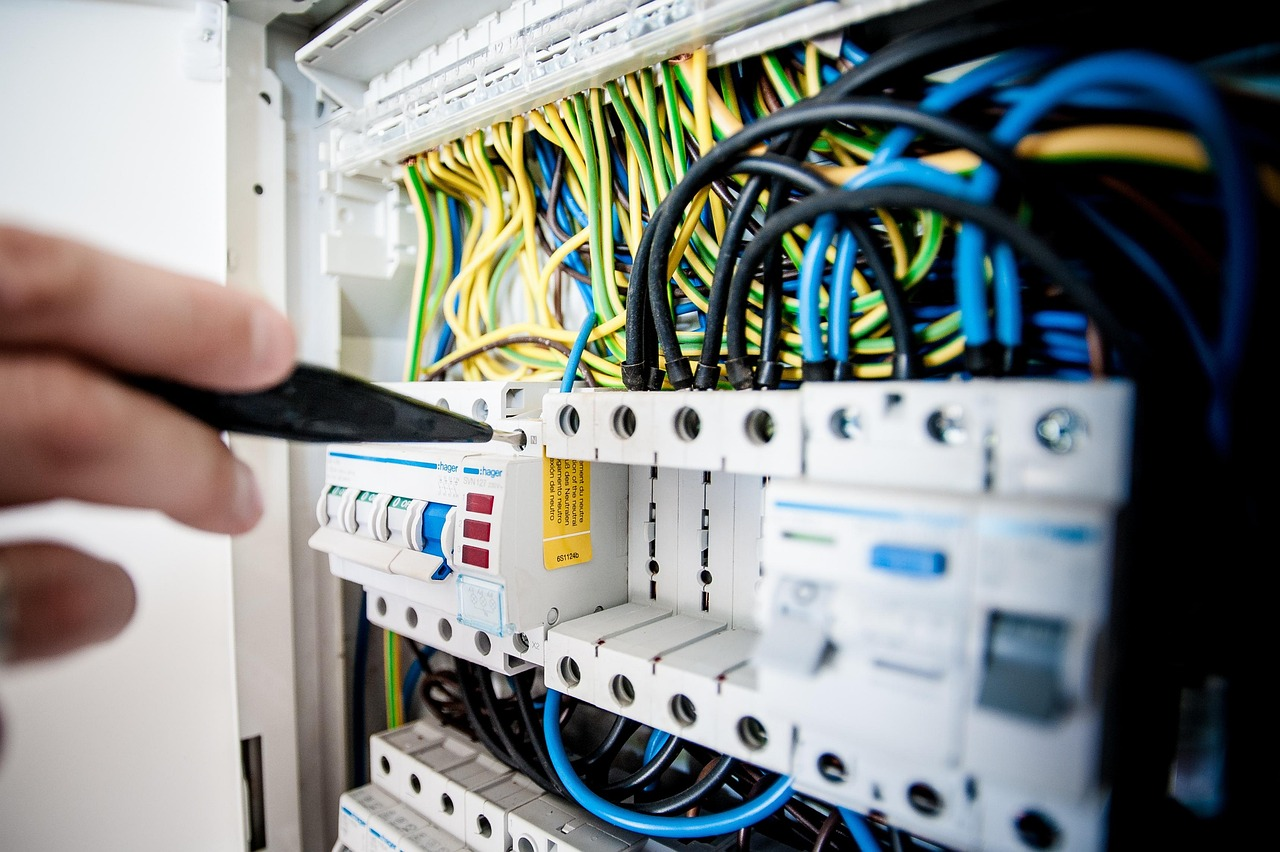
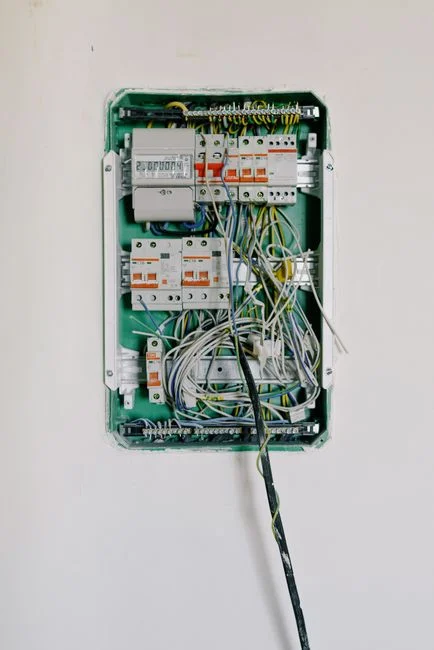
A generator transfer switch is the safe way to power house circuits from a generator. It disconnects your home from the utility before the generator feeds it, so power can’t flow back onto the lines. A manual transfer switch, an interlock kit on a matching panel, or an automatic switch for standby units all do this. Each must be installed by a licensed electrician, with a permit where required.
Below: how the options differ, what they cost, the code rules, and the parts electricians use.
Prices change often. Where we name a price, it’s what we saw at the maker or a major retailer in October 2026; check the current price before you buy. Installed costs are ranges from the named cost guides, not quotes.
Why you can’t just plug the generator into an outlet
Some people “backfeed” a house with a cord that has a plug on both ends, from the generator into a dryer or wall outlet. Don’t. FEMA says never to plug a generator into a wall outlet or the main electrical panel, because the power can surge out onto the lines and injure or electrocute a utility lineworker who thinks the line is dead. OSHA says a generator attached to a building without a properly installed transfer switch can energize wiring “for great distances.”
A transfer switch or interlock fixes all of this with one simple rule: the house can be connected to the utility or to the generator, never both at once.
Transfer switch vs interlock kit vs inlet box
These three words get mixed up, so here’s what each part does:
- Manual transfer switch: a small sub-panel mounted next to your main panel. The electrician moves the circuits you choose (fridge, furnace, well pump, a few lights) into it. Each circuit gets its own “Line / Off / Gen” switch. Reliance’s Pro/Tran kits, for example, handle 6 or 10 circuits and include watt meters so you can see the load.
- Interlock kit: a sliding metal plate fitted to your main panel’s cover. A breaker near the main breaker is fed by the generator, and the plate makes it impossible to turn that breaker on while the main breaker is on. You then pick circuits by switching breakers on and off yourself. Cheaper, and every circuit is available, but you manage the load by hand.
- Power inlet box: the weatherproof socket on the outside wall where the generator cord plugs in. It is not a safety device on its own. It must be wired to a transfer switch or an interlocked breaker, never to a plain breaker.
- Automatic transfer switch (ATS): senses the outage, starts the generator and moves the load with no one home. It’s the standard partner for a standby (whole-house) generator, and it’s installed by the generator dealer.
| Option | Circuits you can power | Who switches it | Typical installed cost (2026 cost guides) | Best for |
|---|---|---|---|---|
| Interlock kit + inlet box | Any circuit in the panel, if the generator can carry it | You, breaker by breaker | $400 to $850 (HomeGuide) | Panels with a listed kit; owners comfortable managing load |
| Manual transfer switch + inlet box | The 6 to 10 (or more) circuits you picked | You, one switch per circuit | $400 to $1,300 (Angi) | Most portable-generator homes |
| Whole-house manual switch (service entrance) | The whole panel, within the generator’s watts | You, one main switch | Not in the cost guides; get quotes | Bigger portables; homes whose panel has no listed interlock |
| Automatic transfer switch | Whole house or chosen loads (with load management) | Automatic | $600 to $2,500 (Angi) | Standby generators |
Angi puts the average generator transfer switch installation at about $1,450 in 2026, with most homeowners paying $1,200 to $1,600; electricians charge about $50 to $100 an hour and the job usually takes two to four hours. HomeGuide lists a manual switch at $200 to $800 for the unit alone, an inlet box at $20 to $100, and an electrical permit at $50 to $350. Your panel and local labor rates move the price, so get two or three quotes.
Manual vs automatic: which do you need?
With a portable generator, the answer is almost always manual: roll it out, plug into the inlet, start it, flip the switches.
Automatic switches belong with standby generators that live on a pad outside and run on natural gas or propane. Kohler (Rehlko) lists a 10-second response for its 20RCA. Champion sells its 22 kW aXis standby unit bundled with a 100 A automatic switch with load management, and Kohler lets dealers price the 20RCA with or without one. If you’re weighing that route, our whole-house generator cost guide covers the unit, the gas line, the pad and the permits.
Code, permits and the licensed electrician
This is one job that isn’t DIY. FEMA tells homeowners to use a qualified electrician to install the equipment “in accordance with local electrical codes,” or to ask the utility. The Electrical Safety Foundation (ESFI) says transfer switches should only be installed by a qualified electrician. What the electrician will check:
- Listed transfer equipment. The National Electrical Code (NEC, Article 702 for optional standby systems) requires transfer equipment that prevents the utility and the generator from ever being connected together. An interlock kit counts when it is listed for your exact panel and installed per that listing. Your local inspector (the “authority having jurisdiction”) has the final word.
- A matching interlock. Interlock kits are panel-specific. A Square D Homeline kit doesn’t fit a Siemens panel, and generic “fits most panels” plates sold online are often not listed by the panel maker. Check the label inside your panel door for brand and model first.
- A secured backfed breaker. The NEC (408.36(D)) requires a breaker that’s fed from the generator side to be held in place by an extra fastener, so it can’t be pulled out while live.
- Grounding and neutral. Many portable generators have a bonded neutral (Westinghouse lists the WGen7500DFc as bonded, for example). How that meets your panel, and whether a ground rod is needed, is the electrician’s call. Generac’s FAQ notes a ground rod when a generator is connected to a panel.
- The permit and inspection. HomeGuide says most areas require a permit and an inspection for changes to the home’s electrical system.
Match the plug: L14-30 or 50 amp
- L14-30R (30 A, 120/240 V, twist-lock): the common one on 7,500 to 9,500 W generators such as the Westinghouse WGen7500DFc and Generac GP8000E. Reliance rates its 30 A switches, inlets and cords for generators up to 7,500 running watts.
- 14-50R or 50 A twist-lock (50 A, 120/240 V): on bigger units like the Champion 9,200 W tri-fuel, Westinghouse WGen9500DFc, DuroMax XP13000EH and Generac GP9500E. Reliance rates its 50 A inlets and cords for generators up to 12,500 W. A 14-50 generator outlet needs either a 14-50 inlet (Reliance PBN52) or a 14-50 to 50 A twist-lock cord for a PBN50.
- Only 120 V outlets (including a TT-30R RV outlet): common on inverter generators. These can’t run 240 V loads like a well pump or electric dryer. Ask the electrician whether and how they can connect; don’t improvise an adapter.
Not sure what size generator you need for the circuits you want? Start with what size generator do I need.
Our top picks for connecting a generator
Common parts for a portable-generator hookup. Let your electrician confirm the model before you buy.
Reliance Controls Pro/Tran 30A 6-Circuit Kit (31406CRK)
- 6 single-pole or 3 double-pole circuits
- 30 A, 125/250 V, up to 7,500 running W
- Inlet box + 10 ft cord included
Reliance Controls Pro/Tran 30A 10-Circuit Kit (31410CRK)
- 10 single-pole or 5 double-pole circuits
- 30 A, 125/250 V, up to 7,500 running W
- Inlet box + 10 ft cord included
Square D Homeline Generator Interlock Kit (HOMCGK2C)
- Only for the Homeline panels it is listed for
- Backfed 2-pole breaker up to 125 A
- Electrician-installed
Siemens Standby Power Interlock Kit (ECSBPK01)
- Siemens/Murray load centers, QP/QPH/HQPH breakers
- 225 A panels
- Electrician-installed
Reliance Controls PBN30 Power Inlet Box
- L14-30 inlet
- 30 A, 125/250 V, up to 7,500 W
- Non-metallic NEMA 3R
Reliance Controls PBN50 Power Inlet Box
- 50 A twist-lock inlet
- 50 A, 125/250 V, up to 12,500 W
- Pair with a 14-50 to twist-lock cord
Reliance Controls PC3020 Generator Cord, 20 ft
- L14-30P to L14-30R
- 30 A, 125/250 V
- Also sold in longer lengths
Generac Whole House 200A/30A Manual Transfer Switch (6382)
- 200 A utility / 30 A generator
- For portables from 5 kW with a 30 A outlet
- Outdoor NEMA 3R enclosure
The parts, one by one
1. Reliance Controls Pro/Tran 30A kits: best manual transfer switch
Reliance’s Pro/Tran kits are the classic portable-generator setup: a pre-wired switch box that mounts beside your panel, plus a PB30 L14-30 inlet box and a 10-foot cord. The 31406CRK handles 6 single-pole or 3 double-pole circuits; the 31410CRK handles 10 single-pole or 5 double-pole. Both are rated 30 A at 125/250 V for generators up to 7,500 running watts, include watt meters, and carry a 5-year warranty in Reliance’s catalog. Reliance’s newer numbers are 306CRK and 310CRK (Pro/Tran 2).
- Good: you choose your circuits once and flip clearly labeled switches in an outage; watt meters help you avoid overloading the generator.
- Watch out: the included 10 ft cord is short if the inlet is close to a door or window; you may need a longer cord so the generator sits 20 ft from the house.
- Best for: homes with a 30 A, L14-30 generator that want the fridge, furnace, well pump and some lights.
Check the Reliance Pro/Tran 6-circuit kit price on Amazon
Check the Reliance Pro/Tran 10-circuit kit price on Amazon
2. Square D and Siemens interlock kits: best value if your panel matches
An interlock kit costs much less than a transfer switch as a part, and it lets you run any circuit in the panel. But Square D’s HOMCGK2C is for the Homeline load centers it is listed for, using a backfed 2-pole breaker up to 125 A. Siemens’ ECSBPK01 is for Siemens/Murray load centers with QP, QPH or HQPH breakers and a 225 A rating; distributor listings say it isn’t for AFCI/GFCI, 3-pole or half-inch breakers, or 4-space 125 A load centers. If your panel is a different brand or series, ask the electrician for that maker’s listed kit.
- Good: lowest installed cost in the HomeGuide range ($400 to $850); every circuit is available.
- Watch out: panel-specific, and some inspectors are stricter about interlocks; you must switch off big loads yourself so you don’t overload the generator.
- Best for: Square D Homeline or Siemens/Murray panels with a free spot near the main breaker.
Check the Square D HOMCGK2C price on Amazon
Check the Siemens ECSBPK01 price on Amazon
3. Reliance PBN30 and PBN50 inlet boxes: the outside connection
The inlet box goes on the outside wall, so no cord runs through a window. The PBN30 has an L14-30 inlet rated 30 A at 125/250 V for generators up to 7,500 W, in a non-metallic NEMA 3R box. The PBN50 has a 50 A twist-lock inlet for generators up to 12,500 W; Reliance’s PBN52 version has a 14-50 inlet instead. Either way, the inlet must feed a transfer switch or an interlocked breaker, never a plain breaker.
- Good: a clean, weatherproof hookup point; you plug in outside, not inside.
- Watch out: place it where the generator can sit at least 20 ft from the house with the exhaust pointed away, not right under a bedroom window.
- Best for: every interlock install, and transfer switches that don’t come with an inlet.
Check the Reliance PBN30 price on Amazon
Check the Reliance PBN50 price on Amazon
4. Reliance generator cords: the right length and plug
The PC3020 is a 20 ft, 30 A cord with an L14-30 plug on one end and an L14-30 connector on the other; Reliance also sells 25 to 100 ft versions. For 50 A generators with a 14-50 outlet, the PC5020-14 (20 ft) goes from a 14-50 plug to a 50 A twist-lock connector for the PBN50, rated up to 12,500 running watts.
- Good: twist-lock ends that won’t pull loose.
- Watch out: match both ends to your generator outlet and your inlet before you buy.
- Best for: replacing a too-short kit cord.
Check the Reliance PC3020 cord price on Amazon
Check the Reliance PC5020-14 cord price on Amazon
5. Generac Whole House 200A/30A Manual Transfer Switch: whole panel, one switch
Generac’s model 6382 sits between the meter and your panel, rated 200 A on the utility side and 30 A on the generator side, for portable generators from 5 kW with a 30 A outlet. The generator cord connects at the bottom of its outdoor NEMA 3R aluminum box, so there’s no separate inlet. Generac gives it a 2-year limited warranty and recommends installation by a certified electrician. You still have to keep the total load within the generator’s watts. We didn’t find it on Amazon, so the link goes to Generac.
- Good: one switch for the whole house; works when no interlock is listed for your panel.
- Watch out: a service-entrance install is a bigger job (and may involve the utility), so expect a higher quote.
- Best for: larger portable generators and owners who want every circuit available.
How to choose a transfer switch or interlock
- List the must-run circuits first. Fridge, freezer, furnace blower, well or sump pump, a few lights, Wi-Fi. If it’s 10 circuits or fewer, a manual transfer switch is simple and tidy.
- Read your panel label. Brand and series decide whether a listed interlock kit exists. No listed kit, no interlock.
- Plan where the generator will sit. At least 20 ft from the house, exhaust away from doors and windows (CPSC). Put the inlet where that’s possible, and buy a cord long enough.
A transfer switch makes your hookup safe for lineworkers. It does nothing about carbon monoxide: CPSC points out the generator still has to run outside, far from the house. Read how to run a generator safely before the next storm.
Keep exploring
Start at our home generators guide, then pick a unit in the best generators for a house power outage and size it with what size generator do I need. For a quiet, fuel-free option, compare home battery backup and the best portable power stations for home backup. Fuel choices are explained in propane and natural gas, and every generator article is in Generators.
Generator transfer switch questions
Do I really need a transfer switch for a portable generator?
Only to power house circuits. Extension cords straight from the generator need no switch. To feed the panel, you need a transfer switch or a listed interlock: FEMA and OSHA both warn that connecting a generator to house wiring without one can electrocute utility workers and others.
Is an interlock kit as safe as a transfer switch?
When it is listed for your exact panel and installed per that listing, an interlock does the same core job: the main breaker and the generator breaker can’t be on together. The NEC treats it as transfer equipment, but your local inspector decides. Unlisted “universal” plates are a different story, so skip them.
How much does it cost to install a generator transfer switch?
Angi’s 2026 data puts the average at about $1,450 (most pay $1,200 to $1,600), with manual switches at $400 to $1,300 installed and automatic switches at $600 to $2,500. HomeGuide lists interlock kits at $400 to $850 installed and permits at $50 to $350. Your quote depends on your panel and local labor, so get two or three.
Can I install a transfer switch myself?
We don’t recommend it. FEMA and ESFI both say to use a qualified electrician, and most towns require a permit and an inspection for panel work.
Does a transfer switch let me run the generator in the garage?
No. A transfer switch only handles the electricity. CPSC says portable generators must run outdoors, at least 20 feet from the house, with the exhaust pointed away, and never in a garage, even with the door open. Keep battery-powered carbon monoxide alarms on every level of the home.