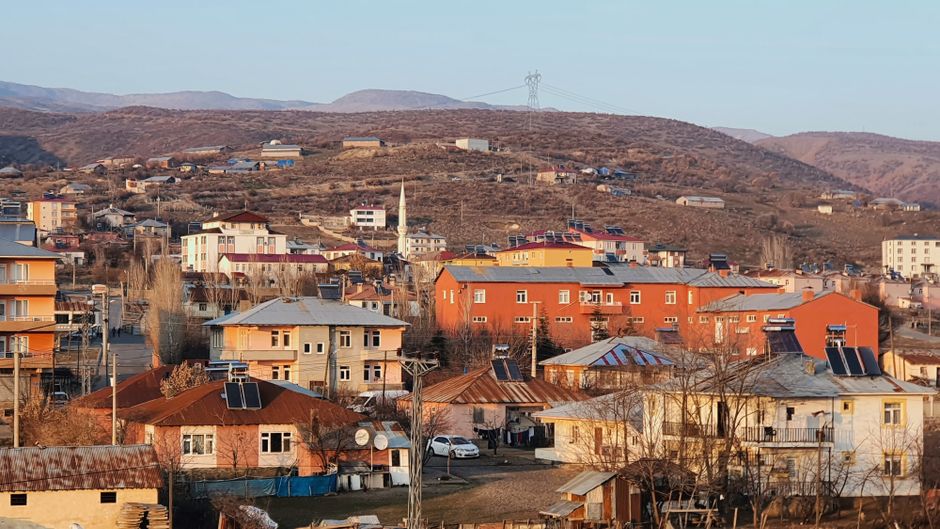
In short: Albany, Schenectady, Troy and Saratoga Springs get power from National Grid, which charged homes about 17.2¢ per kWh in 2024, about half New York City’s price, but averaged 8.5 hours of outages per customer once storms were counted (EIA). Albany has 787 public charging ports, far more than its size suggests.
This page covers what is different in the Capital Region: National Grid’s programs and outage record, the local hazards and charging network. For statewide rules (net metering, the state solar tax credit, NY-Sun and licensing), see our New York energy guide.
Capital Region at a glance
- National Grid (Niagara Mohawk): serves Albany, Schenectady, Troy and Saratoga Springs. About 17.2¢ per kWh for homes in 2024. Outages across its upstate system: about 510 minutes per customer with major events, 141 without; 1.7 interruptions a year (EIA-861, 2024).
- Other utilities: NYSEG serves parts of Saratoga and Rensselaer counties (about 18.3¢; 655 minutes with major events), Central Hudson the southern edge of Albany County, and the Village of Green Island runs its own system (EIA-861).
- Supplier choice: about 102,000 National Grid households upstate, roughly one in fifteen, bought supply from another company in 2024 (EIA-861).
- Sun: about 3.7 kWh per square meter per day in Albany, from about 1.3 in December to 5.8 in June (NASA POWER, 2001 to 2020). Our rough estimate: about 1,090 kWh a year per kW of panels.
- Top hazards: FEMA’s National Risk Index (December 2025) rates Albany and Saratoga counties “relatively high” for ice storms and lightning; overall risk is moderate to low.
- Public charging: 787 public ports at 211 locations in Albany and 213 at 79 locations in Saratoga Springs (AFDC, October 3, 2026).
Your utility and what it means
- National Grid, solar: statewide net metering applies (see the state page). Systems connected since 2022 pay a monthly Customer Benefit Contribution of $0.97 per kW in 2026, about $7 a month for a 7 kW system, the lowest of New York’s utilities (NYSERDA).
- National Grid, batteries: the ConnectedSolutions battery program pays $50 per kW of average output during summer events, May 1 to September 30, between 2 and 10 p.m., up to 60 events of at most four hours; National Grid says the average is about $250 a year. It works with or without solar for approved battery brands. Since March 1, 2026, NYSERDA’s home battery incentive in National Grid territory requires enrolling (National Grid; NYSERDA).
- National Grid, EVs: the EV Charge Smart Plan pays a $25 sign-up incentive and $25 a month when at least 80% of your home charging (50 kWh or more) happens between 11 p.m. and 7 a.m. It is for customers on the standard residential rate, not time-of-use rates (National Grid).
- NYSEG: runs its own battery program at $50 per kW a year, with events between noon and 7 p.m.; its solar charge is $1.19 per kW a month in 2026 (NYSERDA).
Backup power in the Capital Region
National Grid’s upstate customers were out about two hours and twenty minutes in a normal 2024, and about 8.5 hours once major storms were included (EIA). Here the storm to plan for is ice: FEMA rates Albany and Saratoga counties “relatively high” for ice storms, which bring down trees and lines across wide areas and can leave homes cold for days. The loads to protect are a furnace or boiler blower, a sump pump and, outside the cities, a well pump.
A generator on a transfer switch, or a standby unit, is the usual answer for multi-day winter outages; a home battery handles shorter ones silently and can earn money in the summer program. Apartment households can rely on a portable power station for phones, Wi-Fi and a CPAP. Run a portable generator outdoors only, at least 20 feet from the house, exhaust away from windows and doors, and never in a garage (CPSC); keep snow clear around it. Compare options in backup power options, size them with the generator sizing tool or the battery backup calculator, and read generator installation.
Solar in the Capital Region
Albany’s sun gives about 1,090 kWh a year per kW by our rough estimate, but most of it arrives from April to September: December brings less than a quarter of June’s sunlight, and snow can cover panels for days. Net metering lets summer credits carry into winter bills, which is what makes solar work here. With National Grid’s lower prices, savings per panel are smaller than downstate, so a real quote matters: check your roof with the solar potential tool and run the numbers in the solar savings calculator. More in solar installation and how net metering works.
Batteries in the Capital Region
Upstate batteries now pay twice: NYSERDA’s purchase incentive and National Grid’s yearly summer payments, as long as you enroll in ConnectedSolutions. Ask your installer whether your battery brand is on National Grid’s approved list before you buy. A battery placed in a heated garage or basement also avoids the cold that reduces lithium battery performance; follow the maker’s temperature limits. See home battery installation and home battery cost.
EV charging in the Capital Region
Albany has a large public network for its size: 787 public ports at 211 locations, and Saratoga Springs adds 213 (AFDC, October 3, 2026). At home, National Grid’s EV Charge Smart Plan can return $25 a month for charging overnight. Cold weather lowers EV range, so a Level 2 charger in a garage is worth considering; it needs a 240 V circuit from a licensed electrician and a permit. Estimate your cost with the EV charging calculator and read EV charger installation.
Drive on another fuel? See every alternative fuel station in Albany: hydrogen, propane, natural gas, E85 ethanol, biodiesel and renewable diesel.
Permits and inspections
- Cities: Albany, Schenectady, Troy and Saratoga Springs each issue building and electrical permits through their own building departments.
- Towns and villages: outside the cities, your town or village building department issues permits.
- Utility: solar and batteries need National Grid’s (or NYSEG’s) interconnection approval; installers usually file it.
- Electricians and HOAs: New York licenses electricians locally, so ask your city or county; get HOA or condo approval in writing first.
Cities we cover
- Albany
- Saratoga Springs
Get help
Are you a licensed installer in Albany? Join SolutionEnergy and get requests from homeowners and businesses →
Tell us about your project and we will connect you with a licensed, independent installer who serves the Capital Region area. It is free, there is no obligation, and only the installer you choose gets your details. Read how it works.
Capital Region energy FAQ
Does National Grid pay me to use my home battery?
Yes, through ConnectedSolutions: $50 per kW of average output during summer events, between 2 and 10 p.m. from May to September, about $250 a year on average by National Grid’s figure. Batteries with or without solar qualify if the brand is approved, and enrolling is now required for NYSERDA’s home battery incentive.
Is solar worth it in Albany with snowy winters?
It can be. Panels make little in December, but net metering banks summer surplus for winter bills, and our rough estimate is about 1,090 kWh a year per kW. National Grid’s price is lower than downstate, so payback is slower; compare a real quote in the solar savings calculator before deciding.
How long are power outages in the Capital Region?
On normal days, National Grid’s upstate customers averaged about 2 hours 20 minutes without power in 2024; with major storms, about 8.5 hours (EIA). Ice storms are the main local risk, so plan backup for heat and pumps over at least a day.
Does National Grid reward overnight EV charging?
Yes. The EV Charge Smart Plan pays $25 to sign up and $25 a month when at least 80% of your home charging, and at least 50 kWh, happens between 11 p.m. and 7 a.m. You must be on the standard residential rate, not a time-of-use rate.
Sources
Utilities, prices, outages, supplier customers and solar counts: U.S. Energy Information Administration, EIA-861 data for 2024 (National Grid’s figures cover its whole upstate system). National Grid ConnectedSolutions battery page and EV Charge Smart Plan FAQ, read October 3, 2026. NYSERDA 2026 Customer Benefit Contribution rates and January 2026 storage webinar. Sun: NASA POWER, 2001 to 2020. Hazards: FEMA National Risk Index, December 2025. Charging: Alternative Fuels Data Center, October 3, 2026. Generator safety: CPSC.