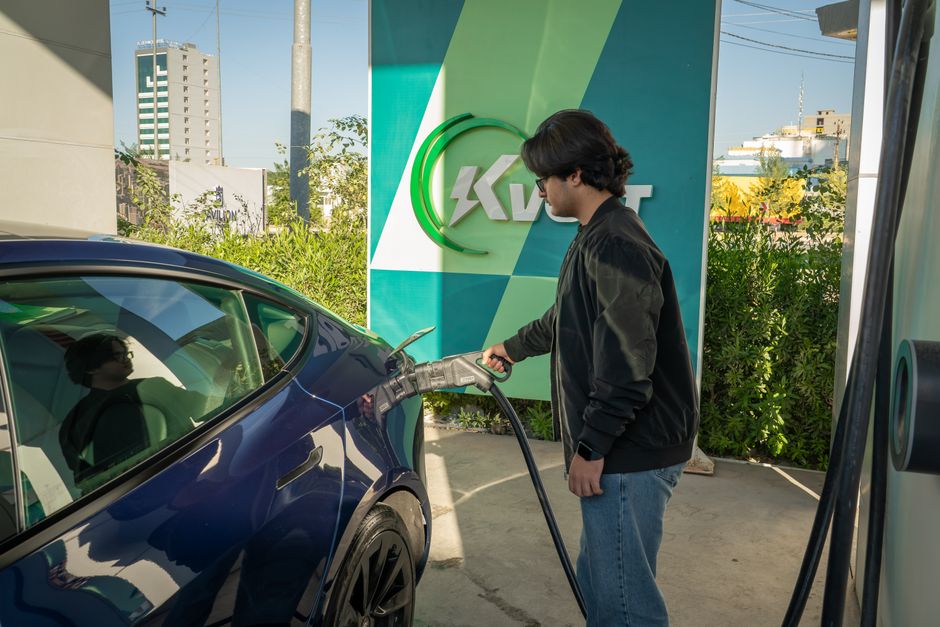
In short: most workplaces, apartment buildings and hotels need Level 2 chargers, where cars park for hours; DC fast chargers suit fleets and quick stops but cost far more. DOE’s figures: about $3,500 per Level 2 connector plus around $2,500 to install, versus $38,000 to $90,000 per DC fast connector plus $20,000 to $60,000 installed.
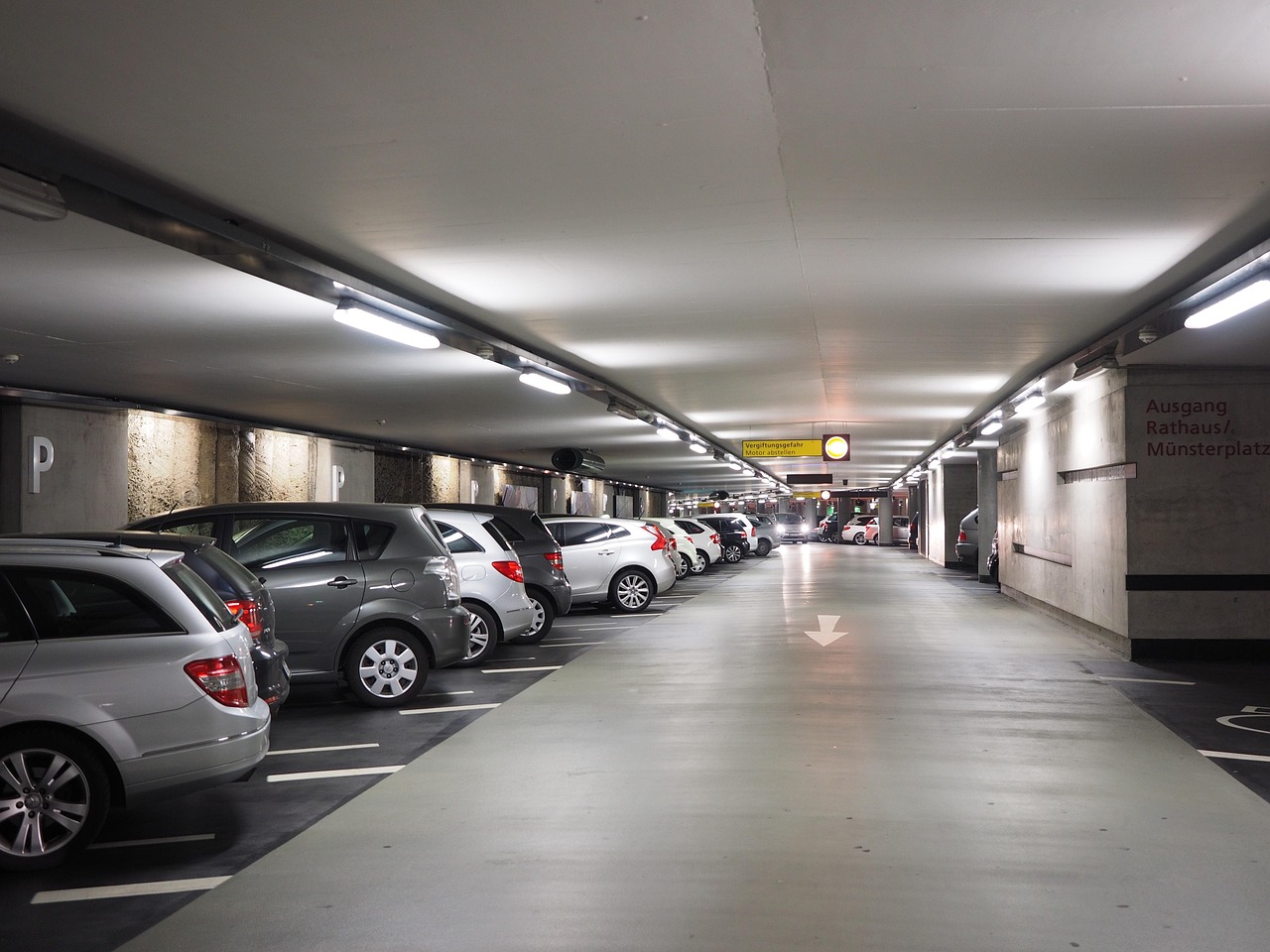
This guide is for property owners and managers, employers, hotels, retailers and fleet operators. It covers which charger level fits, how many ports to start with, demand charges and load management, networks and driver fees, accessibility, utility make-ready programs, ownership options and permits. At the end, you can send us your site details and we will reply ourselves.
Who commercial EV charging is for
| Site | How long cars stay | Usual fit |
|---|---|---|
| Offices and workplaces | A workday | Level 2 (some Level 1) |
| Apartments and condos | Overnight | Level 2, often with shared power between ports |
| Hotels | Overnight | Level 2 as a guest amenity; see hotel backup power, solar and EV charging |
| Retail, restaurants, attractions | 30 minutes to a few hours | Level 2; DC fast where stops are short |
| Fleets (vans, trucks, buses) | Overnight at the depot, plus quick top-ups | Level 2 or DC fast depending on daily miles and turnaround |
The Department of Energy’s Alternative Fuels Data Center (AFDC) puts it simply: workplaces and multifamily housing should consider Level 1 and Level 2; public charging should consider Level 2 and DC fast. Electric cars are already common in some states: the AFDC counts about 1.84 million battery-electric cars registered in California, 450,000 in Florida and 387,000 in Texas (2025 data). Each state page shows its own EV and public-charger counts.
Level 2 or DC fast charging
| Level 2 | DC fast | |
|---|---|---|
| Power | 208/240 V AC; most home-style units 7.2 kW (AFDC) | Up to 500 kW (AFDC) |
| Range added | About 25 miles per hour at 7.2 kW | About 100 to 200+ miles in 30 minutes |
| Hardware per connector | About $3,500 (public) | $38,000 to $90,000, higher with more power |
| Installation per connector | Around $2,500 (public and workplace) | $20,000 to $60,000 |
| Demand charges | Lower risk | More likely to trigger them (AFDC) |
| Best for | Long stays: work, home, hotel | Short stops, fleets with tight turnarounds |
Cost figures are DOE’s, from the National Laboratory of the Rockies and Idaho National Laboratory report Levelized Cost of Charging EVs in the United States, as published on the AFDC (read October 2026). Real quotes depend heavily on how far the chargers are from your electrical service and whether the service needs upgrading.
Sizing basics: how many ports, how much power
- Ask who will use it. AFDC suggests starting a workplace project with a survey of employee interest. Hotels can look at guest requests; apartments at residents’ cars.
- Match power to parking time. A car parked for 8 hours on Level 2 gets plenty of range; each Level 2 connector can charge more than one vehicle per workday, says AFDC, if people move their cars.
- Check your electrical service early. Talk to your utility and an electrical contractor before choosing equipment; AFDC recommends consulting them early to find problems.
- Build for later. Running conduit and wiring for future spaces while the parking lot is open is far cheaper than trenching twice.
Apartments and condos
Residents charge overnight, so modest Level 2 power per space is usually enough when ports share a feed through load management. Decide early whether chargers go in assigned spaces (each resident pays for their own use) or a shared bank (anyone can use them, with fees to keep spaces moving). Networked chargers can bill each resident directly. EPA notes that many states have right-to-charge laws that may let residents install a charger at their own space, so a building-wide plan avoids a patchwork of one-off circuits.
Fleets
Start with each vehicle’s daily miles and how long it sits at the depot. Vans that return every night and drive a fixed route often charge fine on Level 2 overnight, which keeps demand charges lower. Vehicles that run more than one shift, or have short breaks between trips, may need DC fast charging. Fleets add a lot of load at once, so talk to the utility before buying vehicles: service upgrades can take longer than the vehicle order.
Demand charges and load management
Many commercial electric rates include a demand charge, billed on your highest power draw in the month (in kW), not just on energy used (kWh). Chargers add to that peak. AFDC notes that Level 2 and DC fast stations can raise a facility’s peak demand and its bills, and that DC fast chargers are more likely to trigger demand charges. Ways to manage it:
- Load management software or hardware that shares a fixed amount of power across ports, or sequences them.
- Managed (smart) charging that shifts charging to off-peak hours; many utilities offer programs for it.
- Batteries that store power at low-demand times and release it during charging peaks. See commercial battery storage; solar can help too: commercial solar.
Ask your utility for your rate schedule and the last 12 months of demand data before you size anything.
Networks, fees and what drivers pay
Networked chargers connect to the internet for payments, access control, usage data and remote monitoring; non-networked chargers just charge. Networks usually charge subscription fees. For drivers, AFDC lists the common pricing models: by kWh, by session, by time, or by subscription. For workplaces, AFDC suggests pricing slightly above local residential electricity rates, so people who can’t charge at home benefit while others aren’t tempted to occupy the spaces. Many workplace programs are free. Idle fees after a car is full help keep ports moving.
Operating costs: AFDC says owners should plan on up to $400 a year per charger for maintenance, and extended warranties for DC fast chargers can cost over $800 per charger per year. Add electricity, demand charges and network fees.
Accessibility (ADA)
The U.S. Access Board publishes design recommendations for accessible EV charging. They include a charging space at least 11 feet wide and 20 feet long with an adjacent access aisle at least 5 feet wide, aisles kept clear of curbs, bollards and cable slack, operable parts no higher than 48 inches, and an accessible route to the building entrance. AFDC notes that some incentive programs and local governments require accessible installations. Plan accessible spaces from the first drawing; retrofitting is harder.
Utility make-ready programs and incentives
“Make-ready” programs pay for part of the wiring and electrical work up to the charger. They vary by utility and change often. One example: ComEd in northern Illinois set aside more than $29 million for its 2026 Business and Public Sector Make-Ready program, open to business, public-sector and multifamily customers with a commercial ComEd account, with applications due within 60 days of project completion. Ask your own utility before you sign anything; some programs require pre-approval.
Federal tax credit: the IRS says the 30C credit can’t be claimed for charging property placed in service after June 30, 2026. Before that date, businesses could claim 6%, or 30% with prevailing wage and apprenticeship rules, up to $100,000 per item in eligible census tracts. For anything placed in service after June 30, 2026, plan without it; for timing and depreciation questions, ask a tax professional. See incentives.
Ownership options
- Buy and operate: you pay for equipment and installation, set the prices and keep the revenue; you also carry maintenance and network fees.
- Lease or finance: spreads the cost; compare total payments and who handles repairs.
- Third-party owned (host agreement): a charging company installs and runs the chargers on your property, often sharing revenue or paying you for the space. Less upfront cost, less control; read the contract length, exclusivity, removal terms and who pays for electricity.
None is right for everyone. We don’t sell any of them and earn nothing from which you choose.
Permits and the project timeline
Expect an electrical permit, sometimes building or zoning review for parking layout and signs, an accessibility review, and a utility application if the service needs upgrading. Utility upgrades and transformer work can take months, so start that conversation first. Electrical work must be done by a licensed electrical contractor; check the license on your state’s lookup, linked from each state page, such as Texas, Florida or Illinois. Installation basics are in our EV charger installation guide.
Questions to ask a commercial charging installer
- How much capacity does our service have, and does the utility need to upgrade anything?
- How will load management keep our demand charges in check?
- Which network, what are the yearly fees, and can we switch networks later?
- How does the layout meet accessibility recommendations and local rules?
- Which utility programs apply, and who files the paperwork?
- What do the warranty and maintenance plan cover, and what is the repair response time?
What happens when you send us a request
You describe your site: the type of property, number of parking spaces, who will charge and your electrical service if you know it. We read it and reply ourselves with the questions to settle first, the utility programs to check and what a sensible first phase could look like. If you want, we can suggest an independent, licensed contractor, and only the one you choose sees your details. We never sell or negotiate installation contracts.
Get help with your project
Tell us about your property, parking and who will charge. Tell us about your project and we will connect you with a licensed, independent installer who serves your area. It is free, there is no obligation, and only the installer you choose gets your details. See how it works.
Commercial EV charging questions
How much does a commercial EV charging station cost?
DOE figures put a public Level 2 connector at about $3,500 for hardware plus around $2,500 to install. A DC fast connector costs $38,000 to $90,000 for hardware plus $20,000 to $60,000 to install. Utility upgrades, trenching and distance from your electrical service can change these a lot, and make-ready programs can lower them.
Level 2 or DC fast charging for my business?
Match the charger to how long cars stay. Workplaces, apartments and hotels, where cars park for hours, usually need Level 2. DC fast charging suits short stops and fleets with tight turnarounds, but it costs much more and is more likely to raise demand charges. Many sites start with Level 2 and add fast charging only if usage shows the need.
Can a business still get the federal EV charger tax credit?
Not for new chargers. The IRS says the 30C credit can’t be claimed for property placed in service after June 30, 2026. Chargers placed in service before then may qualify if they met the rules, including location in an eligible census tract. Ask a tax professional about your timing and depreciation, and check utility make-ready and state programs.
Should we charge drivers to use our chargers?
Many workplaces offer free charging, but fees help cover electricity and keep spaces moving. AFDC suggests workplaces price slightly above local residential electricity rates. Common models are per kWh, per session, per hour or by subscription. Idle fees after a car is full encourage drivers to move. Networked chargers handle payment and access control.
Do commercial EV chargers have to meet ADA rules?
AFDC notes some incentive programs and local governments require accessible chargers. The U.S. Access Board recommends spaces at least 11 by 20 feet with a 5-foot access aisle, clear of curbs and cables, controls no higher than 48 inches, and an accessible route to the entrance. Plan accessible spaces from the start; ask your designer what applies locally.
Keep exploring
Back to the EV charging hub. See energy for businesses, hotels, commercial backup generators and commercial solar.
Sources
Charging levels, costs, demand charges, networks, pricing, maintenance and accessibility notes: U.S. Department of Energy Alternative Fuels Data Center (AFDC), infrastructure, operation and workplace charging pages, read October 2026, citing the National Laboratory of the Rockies and Idaho National Laboratory. EV registrations: AFDC, 2025 data. Accessibility recommendations: U.S. Access Board, updated July 2023. Make-ready example: ComEd, February 2026. Tax credit: IRS, 30C and Form 8911 instructions. Estimates on this page are ours and labelled.