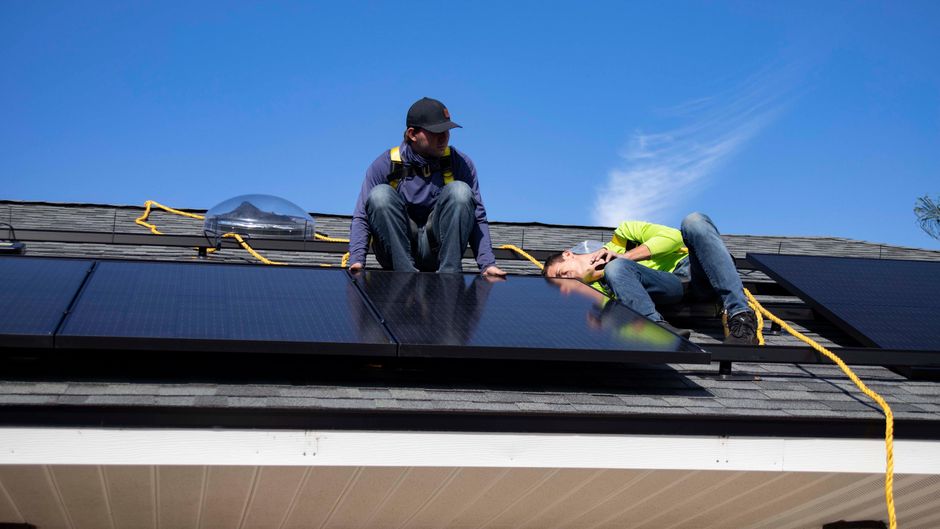
In short: a good local installer holds the right state or local license for the job, carries insurance, pulls permits and handles your utility’s approval. Check the license on the board’s own website (all 50 states are linked below), ask about certifications such as NABCEP, and compare written quotes. Or ask us, and we’ll reply ourselves.

Whether you’re searching for solar companies near you, an EV charger installer for the garage, a Generac or Kohler generator dealer before hurricane season, or a Powerwall installer, the checks are much the same. This page walks through them service by service, lists the official manufacturer installer finders, and links every state’s license lookup so you can check any company in a couple of minutes.
Get help finding an installer
Tell us about your project and we will connect you with a licensed, independent installer who serves your area. It is free, there is no obligation, and only the installer you choose gets your details. Tell us about your project and we will connect you with a licensed, independent installer who serves your area. It is free, there is no obligation, and only the installer you choose gets your details. Read how it works.
Are you a licensed installer? Join SolutionEnergy and get requests from homeowners and businesses →
Are you an installer? Join SolutionEnergy: apply as an installer. Applying is free, and we check every license before we suggest anyone.
Five checks for any installer
The Federal Trade Commission’s advice for hiring a solar company works for any home energy project: check the company’s history with your state and local consumer protection agencies and your state’s contractor licensing board, ask which licenses, certificates or bonding your state, county and city require, and compare detailed bids from several companies (FTC). In practice that comes down to five checks:
- License. Look up the license number on the issuing board’s website (see the state table). Confirm the name matches the company on your quote, the trade fits the job and the status is active. Where licensing is local, ask your city or county.
- Insurance. Ask for a certificate of general liability insurance, and workers’ compensation where your state requires it.
- Permits and utility paperwork. The quote should say who pulls the permits, books the inspection and files your utility’s interconnection application (for solar and grid-tied batteries).
- A detailed written quote. Equipment brands and models, system size, the work included, the price, the payment schedule and the warranties, both the maker’s and the installer’s own workmanship warranty.
- Time to decide. The FTC warns against companies that pressure you for a quick decision, ask you to sign without time to review or want cash. If you buy at home from a visiting seller, the FTC’s Cooling-Off Rule generally gives you three days to cancel; many states add their own rules.
Solar panel installers
Who is qualified: in most states, solar is electrical work, so the company needs an electrical contractor license. A few states also have a solar-specific license or class: California’s C-46 Solar (CSLB), Florida’s Certified Solar Contractor (DBPR), Connecticut’s PV-1 and PV-2, Hawaii’s C-60 solar power systems class and North Carolina’s limited SP-PV license. Illinois has no statewide electrician license, but companies that install solar must be certified by the Illinois Commerce Commission as Distributed Generation Installers. Texas requires a TDLR electrical contractor license, and from September 1, 2026, residential solar retailers and salespeople also register with TDLR. Each state guide spells out its own rules.
Useful certifications: the U.S. Department of Energy calls NABCEP certification the industry standard for solar installers. The main one is the PV Installation Professional (PVIP); you can check a person’s certification in the NABCEP directory. It’s voluntary and sits on top of the license, not in place of it. Panel and inverter makers also run installer programs (more below).
What to ask:
- What size system, which panels and inverters, and how much electricity a year do you expect it to make? (Compare with our solar potential calculator.)
- Is my roof in good enough shape, and who pays if the array must come off for a roof replacement later?
- Who handles the permit, the inspection and my utility’s interconnection, and roughly how long does each take where I live?
- How long is your workmanship warranty, and does it cover roof leaks at the mounting points?
- Are you the installer, or are you selling for another company that will send its own crew?
Red flags: “free solar” or “government program” pitches (the federal home solar credit ended for systems finished after December 31, 2025, per the IRS), savings promised without looking at your bills, a contract handed over on the doorstep, a license that doesn’t match the company name, and a large deposit before any permit is issued. Our solar installation guide covers each step from site visit to permission to operate.
Home battery installers
Who is qualified: a licensed electrical contractor, ideally one certified by the battery’s maker. Tesla installs Powerwall through its own crews in some areas and through Tesla Certified Installers elsewhere; certified installers complete the system’s registration. Enphase lists its Platinum and Gold installers as certified for its IQ Batteries. If you’re looking for a Powerwall installer, start with Tesla’s own finder below and then check the company’s license as usual.
Useful certifications: NABCEP’s Energy Storage Installation Professional (ESIP) certification is aimed at people who design and install battery systems, plus the maker’s own training.
What to ask: which circuits stay on in an outage (partial or whole-home backup) and for how long; where the battery will go and what your local fire and building rules allow (many places use rules based on NFPA 855, which limits individual home units to 20 kWh); whether the battery needs a new interconnection agreement with your utility; and what the battery warranty and the installer’s workmanship warranty cover.
Red flags: a battery sized without asking what you need to keep running, no mention of a permit or inspection, or a promise that the battery will “take you off the grid” for a normal home. Our home battery installation guide walks through the job, and home batteries compares the options.
Standby generator installers
Who is qualified: a standby generator touches two trades. The transfer switch and wiring are electrical work for a licensed electrician or electrical contractor; the natural gas or propane line is work for a licensed plumber or gas fitter where your state or town requires one. Many generator dealers do both with licensed staff or partners. Expect an electrical permit, a fuel or gas permit and an inspection before the system goes into service.
Useful certifications: generator makers authorize dealers to sell, install and service their units. Generac says it has more than 6,000 independent dealers in North America (Generac 2025 annual report), so if you want a Generac installer, its dealer locator is the place to start; Kohler (now part of Rehlko) and Briggs & Stratton have their own. Ask whether the dealer is authorized for warranty service on the brand you’re buying.
What to ask: which generator size and why (a load calculation, not a guess); where it will sit (Generac’s guidance, based on the NFPA 37 fire code, calls for at least 5 feet from windows, doors and other openings); whether your gas meter and line can supply it at full load; and a quote that separates the generator, transfer switch, pad, gas work, electrical work, permits and start-up.
Red flags: anyone who offers to connect a generator to your house without a transfer switch or interlock (that can send power back into the utility lines and is dangerous for line workers), a quote with no gas or permit line, and storm-chasers knocking on doors right after an outage. Never run a portable generator indoors or in a garage; the CPSC says outdoors only, at least 20 feet from the house. Read our generator installation guide for the full process.
EV charger installers
Who is qualified: a Level 2 home charger needs a 240-volt circuit, so the installer should be a licensed electrician or electrical contractor. The EPA advises using a qualified electrician who can do the load calculation, pull the permit and arrange the inspection. Under the National Electrical Code, EV charging counts as a continuous load, so the circuit is sized at 125% of the charger’s current (a 48-amp charger needs a 60-amp circuit).
Useful certifications: the Electric Vehicle Infrastructure Training Program (EVITP) trains and certifies electricians to install EV chargers, and certified electricians must pass an exam. Charger makers have installer networks too: Tesla’s Certified Installers handle Wall Connectors, and ChargePoint uses certified installers for its home installation service.
What to ask: did you do a load calculation, and do I really need a panel upgrade? How far is the run from the panel to the parking spot? Is the permit included? Can you set the charger’s current to match the circuit and show me how to schedule charging for cheaper night hours?
Red flags: a panel upgrade quoted without a load calculation, “no permit needed” for a new 240-volt circuit, and an extension cord or adapter offered as a long-term fix. The federal charger credit (30C) ended for chargers placed in service after June 30, 2026, so be wary of anyone selling on a federal rebate. Our EV charger installation guide covers costs and steps.
Official installer finders from manufacturers and NABCEP
These are the makers’ own lists of installers or dealers they’ve trained or authorized. They’re useful if you already know which brand you want, or if you need service on equipment you own. They’re manufacturer lists, not our endorsement: still check the license and insurance yourself.
| What you need | Official finder | What it lists |
|---|---|---|
| Solar, batteries, EV chargers (Enphase) | Enphase installer locator | Installers in the Enphase Installer Network; Platinum and Gold tiers are certified for Enphase batteries (about the network) |
| Powerwall, Tesla solar, Wall Connector | Tesla Certified Installers | Tesla Certified Installers by ZIP code and product |
| Generac standby generators | Generac dealer locator | Independent Generac dealers |
| Kohler home generators | Kohler (Rehlko) dealer finder | Kohler-certified home generator dealers by ZIP code |
| Briggs & Stratton generators and batteries | Briggs & Stratton dealers and installers | Dealers and installers for its home energy products |
| ChargePoint home chargers | ChargePoint home installation | ChargePoint’s installation service using its certified installers |
| Certified people (any brand) | NABCEP directory | NABCEP-certified professionals (PVIP, ESIP and more) and accredited companies |
License lookups for all 50 states
Who licenses solar, battery, generator and EV charger electrical work in each state, and where to check a license. Where a state leaves electrical licensing to cities and counties, we say “local” and you should ask your city or county building department. Every state guide has more on licensing, permits and your utility.
| State | Who licenses electrical and solar contractors | License lookup | Our state guide |
|---|---|---|---|
| Alabama | Alabama Board of Electrical Contractors | Licensee search | Alabama |
| Alaska | Division of Corporations, Business and Professional Licensing (contractor registration, electrical administrators); electricians’ certificates of fitness from the Dept. of Labor and Workforce Development | Professional license search* | Alaska |
| Arizona | Arizona Registrar of Contractors (ROC); electrical and solar classifications | ROC contractor search | Arizona |
| Arkansas | Contractors Licensing Board (companies) and Board of Electrical Examiners (electricians), Dept. of Labor and Licensing | Find a licensed contractor; electrician roster | Arkansas |
| California | Contractors State License Board (CSLB): C-10 Electrical, C-46 Solar | CSLB license check | California |
| Colorado | State Electrical Board, DORA Division of Professions and Occupations | Electrical program (links the lookup) | Colorado |
| Connecticut | Dept. of Consumer Protection, Occupational and Professional Licensing (E-1/E-2 electrical, PV-1/PV-2 solar) | eLicense lookup | Connecticut |
| Delaware | Board of Electrical Examiners, Division of Professional Regulation | DELPROS verification | Delaware |
| Florida | DBPR: Electrical Contractors’ Licensing Board; Construction Industry Licensing Board (certified solar contractors) | DBPR license search | Florida |
| Georgia | State Construction Industry Licensing Board, Division of Electrical Contractors (Secretary of State) | SOS license verification* | Georgia |
| Hawaii | Contractors License Board, DCCA Professional and Vocational Licensing (C-13 electrical, C-60 solar) | Contractors License Board (links the search) | Hawaii |
| Idaho | Idaho Electrical Board, Division of Occupational and Professional Licenses (DOPL) | DOPL online services | Idaho |
| Illinois | Local (city/county) for electricians; Illinois Commerce Commission certifies Distributed Generation Installers (solar) | ICC DG installer page* | Illinois |
| Indiana | Local (city/county); no statewide electrician license | Ask your city or county | Indiana |
| Iowa | Iowa Electrical Examining Board, Dept. of Inspections, Appeals and Licensing | Iowa electrical licensing | Iowa |
| Kansas | Local (city/county); no statewide electrician license | Ask your city or county | Kansas |
| Kentucky | Dept. of Housing, Buildings and Construction, Division of Electrical | HBC licensee search | Kentucky |
| Louisiana | State Licensing Board for Contractors (electrical; solar subclassification); many parishes license electricians too | LSLBC contractor search | Louisiana |
| Maine | Electricians’ Examining Board, Office of Professional and Occupational Regulation | License search | Maine |
| Maryland | Maryland State Board of Electricians (Maryland Dept. of Labor); home improvement contractors also need an MHIC license | Electricians license search | Maryland |
| Massachusetts | Board of State Examiners of Electricians, Division of Occupational Licensure | eLicensing lookup | Massachusetts |
| Michigan | LARA, Bureau of Construction Codes, Electrical Division | LARA license lookup | Michigan |
| Minnesota | Dept. of Labor and Industry and the Board of Electricity | DLI license lookup | Minnesota |
| Mississippi | State Board of Contractors (contractors above set thresholds); electricians licensed locally | MSBOC search | Mississippi |
| Missouri | Local (city/county); optional statewide electrical contractor license from the Division of Professional Registration | Licensee search (state license only) | Missouri |
| Montana | State Electrical Board, Dept. of Labor and Industry | License lookup | Montana |
| Nebraska | Nebraska State Electrical Division (State Electrical Board); Omaha and Lincoln also license | License search | Nebraska |
| Nevada | Nevada State Contractors Board (C-2 electrical, incl. solar); electricians licensed locally | NSCB license search | Nevada |
| New Hampshire | Electricians’ Board, Office of Professional Licensure and Certification (OPLC) | OPLC license verification* | New Hampshire |
| New Jersey | Board of Examiners of Electrical Contractors, Division of Consumer Affairs | License verification | New Jersey |
| New Mexico | Regulation and Licensing Dept., Construction Industries Division (incl. PV classifications) | Verify a license | New Mexico |
| New York | Local (city/county); in New York City, the Dept. of Buildings | NYC Dept. of Buildings (NYC only) | New York |
| North Carolina | State Board of Examiners of Electrical Contractors (incl. limited SP-PV solar license) | NCBEEC license search | North Carolina |
| North Dakota | State Electrical Board (contractors also licensed by the Secretary of State) | Find a licensed contractor | North Dakota |
| Ohio | Ohio Construction Industry Licensing Board (commercial electrical contractors); residential mostly local | Ohio eLicense lookup | Ohio |
| Oklahoma | Construction Industries Board, electrical licensing | Are they licensed? | Oklahoma |
| Oregon | Building Codes Division (electricians, incl. Limited Renewable Energy Technician) and Construction Contractors Board | BCD search; CCB search | Oregon |
| Pennsylvania | Local (city/county) for electricians; home improvement contractors register with the Attorney General | Home improvement contractor search* | Pennsylvania |
| Rhode Island | Dept. of Labor and Training, Professional Regulation (electricians); Contractors’ Registration and Licensing Board | DLT license search* | Rhode Island |
| South Carolina | Dept. of Labor, Licensing and Regulation: Residential Builders Commission (home electrical) and Contractor’s Licensing Board (commercial) | LLR website* | South Carolina |
| South Dakota | South Dakota Electrical Commission, Dept. of Labor and Regulation | Electrical Commission (links the register) | South Dakota |
| Tennessee | Board for Licensing Contractors (jobs $25,000 and up); smaller jobs local or Limited Licensed Electrician | Verify a license | Tennessee |
| Texas | Texas Dept. of Licensing and Regulation (TDLR); solar retailers and salespeople register from Sept. 1, 2026 | TDLR license search | Texas |
| Utah | Division of Professional Licensing (DOPL), incl. solar PV contractors | DOPL license lookup | Utah |
| Vermont | Dept. of Public Safety, Division of Fire Safety (Electricians Licensing Board) | Active electrician licenses | Vermont |
| Virginia | DPOR Board for Contractors (electrical specialty; tradesman licenses) | DPOR license lookup | Virginia |
| Washington | Dept. of Labor and Industries, Electrical Program | Verify a contractor | Washington |
| West Virginia | State Fire Marshal (electricians) and Contractor Licensing Board, Division of Labor (contractors) | Division of Labor database search | West Virginia |
| Wisconsin | Dept. of Safety and Professional Services (DSPS) | DSPS credential lookup | Wisconsin |
| Wyoming | Dept. of Fire Prevention and Electrical Safety (State Fire Marshal); some cities license too | Licensing portal | Wyoming |
* These official pages blocked our automated check in October 2026, though they’re the boards’ own addresses and should open in a normal browser. If one doesn’t, search the board’s name. Electrical licensing rules change, so the board’s own site always wins over this table. Gas lines for generators may need a separate plumbing or gas license; ask your city or county.
Local guides: utilities, permits and programs near you
An installer’s quote depends a lot on where you live: your utility’s export and interconnection rules, your city’s permit office and any state or utility programs. Our state and city guides pull that together for all 50 states and the main metro areas, with the utilities that serve each area, where permits come from, local programs we’ve confirmed and the weather risks that shape backup power choices. They’re a good read before you call anyone, so you know which questions to ask.
How many quotes, and how to compare them
The FTC suggests comparing detailed bids from several companies, and we agree: two or three written quotes usually tell you what a fair price looks like where you live. Put them side by side on the same things: equipment brand and model, system size or generator size, what’s included (permits, inspection, utility paperwork, trenching, panel work), the payment schedule and the warranties. The cheapest quote isn’t always the best value if it leaves out the permit or the gas line, and the most expensive isn’t always the best work. Our cost guides help you sanity-check a number: solar cost, home battery cost, generator installation and EV charger installation.
Installer questions
How do I find a good solar installer near me?
Start with two or three local companies, from a manufacturer’s installer finder, the NABCEP directory, neighbors who have solar or a request through us. Check each license on your state board’s website, ask for proof of insurance, and compare detailed written quotes. A good installer looks at your roof, shade and bills, explains permits and utility approval, and gives you time to decide.
Does a solar installer need a license?
In almost every state, yes: solar is electrical work, so it needs a licensed electrical contractor, and some states have a solar-specific license on top, such as California’s C-46 or Florida’s certified solar contractor. A few states, including Illinois, Indiana, Kansas, New York and Pennsylvania, leave electrician licensing to cities and counties. Our state table above links each lookup.
Who installs EV chargers at home?
A licensed electrician or electrical contractor. A Level 2 charger needs a 240-volt circuit, a load calculation to check your panel, and usually a permit and inspection. Some electricians hold EVITP certification for charger installs, and charger makers such as Tesla and ChargePoint work with certified installers. Your own licensed electrician can install most chargers.
Who installs a Generac or other standby generator?
Usually an authorized dealer for that brand, working with a licensed electrician for the transfer switch and a licensed plumber or gas fitter for the fuel line where required. Generac, Kohler and Briggs & Stratton each have a dealer locator. Ask whether the dealer can do warranty service and whether permits are included in the quote.
How do I find a Tesla Powerwall installer?
Use Tesla’s Certified Installer finder with your ZIP code, or buy through Tesla where it installs directly. Certified installers have Tesla’s training and complete the system’s registration. Then check the company’s electrical license in your state and compare the quote, just as you would for any other battery.
Does SolutionEnergy install solar or generators?
No. SolutionEnergy is a research site with a simple request service. We don’t install equipment and have no local offices. If you ask us to, we tell you about independent, licensed installers who serve your area, and only the installer you choose gets your details. We’re still lining up installers in many states and will say so plainly if we don’t know one near you yet.
Can I cancel a contract I signed at home?
Often, yes. The FTC’s Cooling-Off Rule generally gives you three days to cancel a sale of $25 or more made at your home, including when you invited the salesperson. Many states add their own cancellation rules for home solicitation or solar contracts. Read the cancellation section of your contract and send any cancellation in writing.
Sources
FTC, Solar Power for Your Home and The FTC’s Cooling-Off Rule; U.S. Department of Energy, Homeowner’s Guide to Going Solar; NABCEP certifications and directory; EVITP; U.S. EPA, Getting Started with Home EV Charging (May 2026); IRS Residential Clean Energy Credit; NFPA 855 residential provisions; Generac 2025 annual report and installation guidance; CPSC generator safety; manufacturer installer finders (Enphase, Tesla, Generac, Kohler/Rehlko, Briggs & Stratton, ChargePoint); each state’s licensing board website as linked in the table. Checked October 3, 2026.