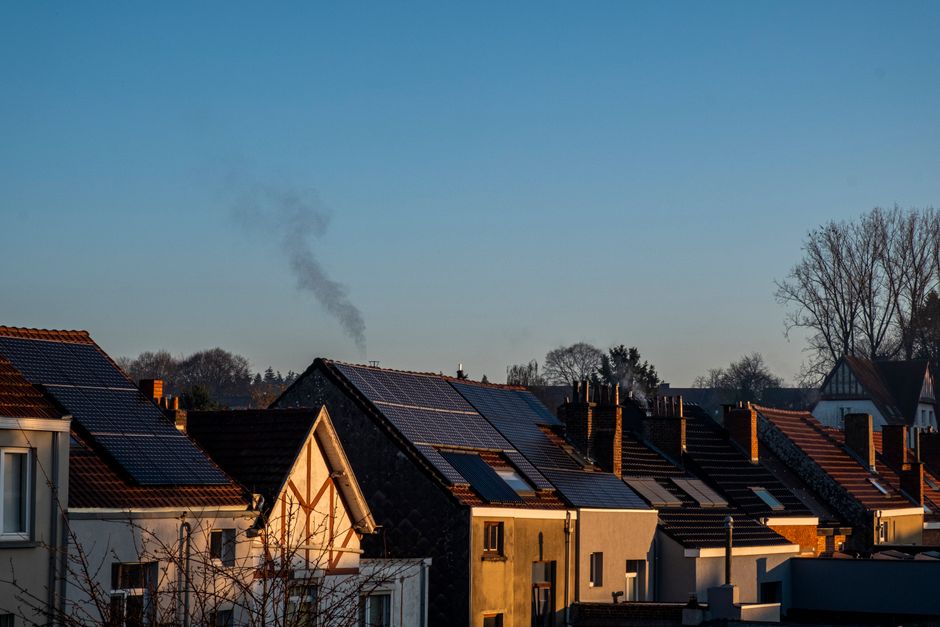
In short: Most Fayetteville homes buy power from the city-owned Public Works Commission (PWC), not Duke. PWC averaged 12.21¢ per kWh for homes in 2024 and only about 2 hours of outages per customer (EIA). It has no Duke-style net metering: exported solar earns a wholesale credit. Its time-of-use and EV rates matter more.
This page covers what is local to Fayetteville. Statewide rules (licensing, Duke Energy’s solar rates for Duke customers, the property tax exclusion) are in our North Carolina energy guide.
Fayetteville at a glance
- Fayetteville PWC (city-owned): 12.21¢/kWh average for homes in 2024, about 76,000 home customers. Outages in 2024: 129 minutes per customer with major events, 71 without.
- Duke Energy Progress (parts of Cumberland County): 15.54¢/kWh in 2024; a typical 1,000 kWh bill was $165.66 in January 2026 (NC Utilities Commission). Outages across its North Carolina customers: 1,803 minutes with major events, 141 without.
- Cooperatives: Lumbee River EMC (12.81¢; 283 minutes with major events, 128 without) and South River EMC (13.30¢) serve rural parts of the county.
- Sun: about 4.47 kWh per square meter per day (NASA POWER, 2001 to 2020). Our rough estimate: about 1,306 kWh a year per kW of panels.
- Top hazards (FEMA National Risk Index, Cumberland County): winter weather “Very High”; hurricanes, ice storms, lightning and tornadoes “Relatively High”.
- Public charging: 71 ports at 22 locations in Fayetteville, 34 of them DC fast (AFDC, October 3, 2026).
Prices are 2024 averages (home revenue divided by home sales, EIA-861) and include fixed charges. PWC held a public hearing on proposed electric rates in February 2026, so check its current rates.
Your utility and what it means
If your bill says PWC, Duke Energy’s solar rates and programs do not apply to you. PWC’s own rules, from its website:
- Rooftop solar (Renewable Energy Buy Back): your home uses its solar first; energy you export earns a monthly bill credit at a wholesale rate, and excess production does not carry forward to the next month. PWC must approve the installation and install the right meter before you turn the system on.
- Batteries: allowed if set up like a home generator and isolated so they cannot export power to the grid.
- Time-of-use rates: peak hours are 3 to 6 p.m. from April to October and 6 to 9 a.m. from November to March, every day. Off-peak power is 35% cheaper than peak and 10% cheaper than the standard flat rate. All customers can sign up.
- Whole Home rate for EV owners: a super off-peak price from 9 p.m. to 5 a.m., 44% lower than the regular off-peak price, in exchange for a higher fixed charge and on-peak price. PWC says it may suit EV owners who charge at home and drive at least 16 miles a day.
- Income-eligible rebates: PWC points customers to Energy Saver NC, a federally funded program with rebates for heat pumps, electrical panels ($4,000) and wiring ($2,500) for qualifying households. Check energysavernc.org; availability and amounts change.
Duke Energy Progress customers outside PWC’s area go on Duke’s North Carolina solar rates (see the state page; the Net Metering Bridge rate closes to new applicants on December 31, 2026). Co-op members should ask Lumbee River or South River about their rules.
Backup power in Fayetteville
PWC’s 2024 record was strong: about 2 hours of outages per customer even with major events. The county’s risk ratings explain why backup still matters: winter weather is “Very High” for Cumberland County and hurricanes and ice storms are “Relatively High”, and one bad storm can undo a good average.
- Short outages: a portable power station handles phones, internet, lights and a CPAP.
- Longer storms: a standby generator for days of power, or a home battery for silent, automatic backup. On PWC, a battery must be isolated from the grid like a generator, so plan the wiring with a licensed electrician.
- Safety: portable generators outdoors only, at least 20 feet from the house, exhaust away from openings, never in a garage (CPSC); carbon monoxide alarms on every level; a transfer switch or interlock installed by a licensed electrician with a permit.
Size it with the generator sizing calculator and battery backup calculator; compare options in our backup power guide and read about generator installation.
Solar in Fayetteville
A rough estimate: a 7 kW system at about 1,306 kWh per kW makes roughly 9,100 kWh a year. If all of it replaced PWC power at its 2024 average of 12.21¢, it would be worth about $1,120 a year. On PWC that is a firm ceiling, because exported energy earns a wholesale credit and does not roll over. A smaller system sized to what your home uses during the day can pay back better than a large one. Duke Energy Progress customers start from a higher price (15.54¢). Check your own numbers with our solar savings calculator, then see solar panel cost and solar installation.
Batteries
On PWC, a battery cannot export to the grid, so its value is backup and using your own solar in the evening peak (3 to 6 p.m. in summer on the time-of-use rate). Ask PWC how a non-exporting battery fits its interconnection rules before you buy. See home battery installation and home battery cost.
EV charging
Fayetteville has 71 public charging ports, almost half of them DC fast. At home, a labelled estimate at about 30 kWh per 100 miles and PWC’s 2024 average of 12.21¢: about $3.66 per 100 miles, or about $440 a year for 12,000 miles. Charging overnight on PWC’s Whole Home rate, between 9 p.m. and 5 a.m., should cost less; use PWC’s EV rate calculator to see if it suits you.
Drive on another fuel? See every alternative fuel station in Fayetteville: hydrogen, propane, natural gas, E85 ethanol, biodiesel and renewable diesel.
A Level 2 charger needs a 240-volt circuit installed by a licensed electrician, with a permit. The federal 30C charger credit ended for chargers placed in service after June 30, 2026. See EV charger installation and our EV charging cost calculator.
Permits and inspections
- City of Fayetteville: Development Services, Permitting & Inspections (433 Hay Street). Its residential permit list says solar panels need a permit and plan review, and solar is part of the electrical permit application.
- Outside city limits: Cumberland County Planning & Inspections.
- Utility approval: on PWC, call before installing; PWC approves the system and installs the meter.
- Who does the work: a licensed electrical contractor for any solar system in North Carolina; a licensed gas contractor for a generator’s gas line.
Cities we cover
- Fayetteville
Get help
Tell us about your project and we will connect you with a licensed, independent installer who serves the Fayetteville area. It is free, there is no obligation, and only the installer you choose gets your details. See how it works.
Are you a licensed installer in Fayetteville? Join SolutionEnergy and get requests from homeowners and businesses →
Fayetteville energy FAQ
Does Fayetteville PWC have net metering?
Not the Duke kind. Under PWC’s Renewable Energy Buy Back, your home uses its solar first and exported energy earns a monthly credit at a wholesale rate, with no carry-over to the next month. Ask PWC for the current credit before you size a system.
Can I add a home battery on PWC?
Yes. PWC says batteries are permitted if they are configured like a home generator and isolated so they cannot export power to the grid. Have a licensed electrician design it that way, and talk to PWC before installation.
What is the cheapest time to charge an EV in Fayetteville?
On PWC’s Whole Home rate, the super off-peak hours from 9 p.m. to 5 a.m., priced 44% below the regular off-peak rate. The rate has higher fixed and peak charges, so PWC suggests it for drivers who charge at home and drive at least 16 miles a day.
Who is my electric company in Fayetteville?
Inside the city it is usually the Fayetteville Public Works Commission. Elsewhere in Cumberland County, Duke Energy Progress, Lumbee River EMC or South River EMC may serve you. Your bill tells you which, and each has different solar and EV rules.
Sources
PWC rules: Fayetteville PWC rooftop solar, time-of-use, Drive EV and Energy Saver NC pages. Utility areas, prices and outages: EIA-861, 2024 data. Typical bill: NC Utilities Commission overview, January 2026. Hazards: FEMA National Risk Index, December 2025. Sun: NASA POWER, 2001 to 2020. Charging ports: AFDC Station Locator, October 3, 2026. Permits: City of Fayetteville Development Services, Cumberland County Planning & Inspections. Generator safety: CPSC. Checked October 3, 2026.