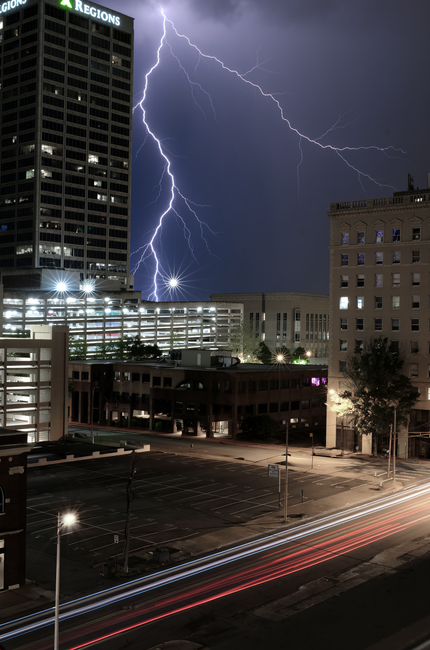
In short: Most Little Rock homes are on Entergy Arkansas, which charged about 13¢ per kWh in 2024 and credits new rooftop solar exports at just 3.34¢ through February 2027. Its customers averaged 370 minutes without power in 2024, and FEMA rates ice storms, tornadoes and lightning “very high” in Pulaski County.
This page covers Little Rock, North Little Rock, Conway and Benton, where three city-owned utilities sit next to Entergy and the rules differ by utility. For statewide rules, Act 278 and contractor licensing, see our Arkansas energy guide.
Little Rock at a glance
- Entergy Arkansas: most of Little Rock and parts of the other three cities. About 12.97¢ per kWh for homes in 2024; 370 minutes without power per customer counting major storms, 229 on normal days, about 1.8 interruptions (EIA-861, 2024).
- North Little Rock Electric: city-owned; about 12.23¢ per kWh; reported 61 minutes of outages in 2024 (measured by a different standard, so not directly comparable).
- Conway Corporation: city-owned, about 30,000 meters in Conway; about 8.29¢ per kWh, the cheapest power in our Arkansas metros; 36 minutes of outages in 2024.
- Benton Utilities and First Electric Cooperative: the City of Benton runs its own electric utility (about 10.3¢ per kWh); First Electric serves rural areas around all four cities (about 12.3¢; 278 minutes with major events, 191 without).
- Sun: 4.44 kWh per square meter per day (NASA POWER, 2001 to 2020), about 1,295 kWh a year per kW of panels by our rough estimate.
- Top hazards: Pulaski County rates “very high” for ice storms, lightning, tornadoes and winter weather, and “relatively high” for earthquake, hail and strong wind; Faulkner and Saline counties rate ice storms “very high” (FEMA National Risk Index).
- Public charging: 219 public ports in Little Rock, 61 in Conway, 55 in North Little Rock and 21 in Benton (AFDC, October 3, 2026).
Your utility and what it means
Entergy Arkansas. Systems that applied after September 30, 2024 take Entergy’s Non-Legacy net metering schedule: solar you use as it is produced saves the full retail price, and exports earn the avoided-cost rate set each spring. Entergy’s tariff lists $0.0259 per kWh for 2024 to 2025, $0.0247 for 2025 to 2026, and $0.0334 from March 2026 through February 2027. Home systems can be up to 25 kW or your highest use of the past year, whichever is less. You need a labelled disconnect switch approved by Entergy and a signed interconnection agreement 30 days before connecting, and a one-time fee applies; see Entergy Arkansas net metering. Entergy also filed a general rate case on February 27, 2026, citing a $44.6 million base-rate deficiency; check its rate case page for the decision.
North Little Rock Electric. The city utility changed its solar rules on December 22, 2025. New systems are billed normally for everything they use, and every kWh the panels make is credited at NLRED’s avoided-cost rate, measured on a separate generation meter. Credits roll forward month to month but expire each February 1 after the annual cycle. Older systems keep the old rules for 20 years from installation or 10 years from adoption, whichever ends first. Home systems are capped at 25 kW or 100% of your past year’s use, prepaid accounts are not eligible, and installing without an interconnection agreement can bring fines of $250 to $500 a day. Read NLRED’s solar FAQ before you sign.
Conway Corp, Benton Utilities and First Electric. At about 8.3¢, Conway Corp’s low price makes every solar kWh worth less, so ask Conway Corp for its current solar terms early. First Electric charges a one-time $320 fee for systems up to 25 kW, needs its interconnection agreement at least 30 days before connection, and wants Section 5 of that form certified by an electrical inspector licensed by the Arkansas Department of Labor; it does not inspect the system itself. Ask Benton Utilities for its rules directly.
Backup power in Little Rock
In late January 2026, a winter storm brought snow, sleet and freezing rain across Arkansas. Entergy suspended disconnections, staged more than 3,500 workers and trimmed about 1,400 trees beforehand, and reported that more than 99% of its 735,000 customers had power less than 24 hours after the storm began. Still, FEMA rates ice storms, tornadoes and lightning “very high” in Pulaski County, and ice can bring down lines across a whole neighborhood.
- For winter outages: a gas furnace needs only a few hundred watts for its blower, so a moderate generator on a transfer switch or a home battery can keep the heat on. A heat pump or electric furnace needs much more. Size it with the generator sizing calculator.
- For short storm outages: a portable power station covers phones, lights, internet and a CPAP. Compare all options in backup power.
- Safety: run a generator outdoors only, at least 20 feet from the house, never in a garage, and keep carbon monoxide alarms on every level. A licensed electrician should install the transfer switch; read generator installation.
Solar in Little Rock
Each kW of panels makes about 1,295 kWh a year here by our estimate. On Entergy, a kWh you use as it is produced saves about 13¢, so a kW used entirely at home is worth about $168 a year; exported at 3.34¢, the same kW earns only about $43. On North Little Rock Electric, all generation is credited at avoided cost under the new rules, so ask NLRED for its current rate in writing. In Conway, a kW used at home is worth about $107 a year at Conway Corp’s price. These are estimates, not promises.
The lesson is the same everywhere in the metro: size the system to your daytime use, not your whole bill, and treat export credits as small. Panels covered in ice make little, and grid-tied panels shut off in an outage unless paired with a battery. Try the solar potential calculator and read solar costs and solar installation.
Home batteries in Little Rock
With exports worth about a quarter of the retail price on Entergy, a battery lets you keep midday solar for the evening instead of selling it for 3.34¢, and it keeps essentials running when the grid is down. For a multi-day ice storm, plan to recharge it from solar or a generator. See battery installation, home battery cost and the battery backup calculator.
EV charging in Little Rock
Little Rock has the most public charging of our Arkansas metros, with 219 ports, plus 61 in Conway. Home charging is still cheapest. At about 30 kWh per 100 miles, 100 miles cost about $3.90 on Entergy, $3.65 on North Little Rock Electric and about $2.50 on Conway Corp at 2024 average prices (estimates). Charge fully before a winter storm, since cold cuts range. A Level 2 charger needs a 240-volt circuit and a permit: see EV charger installation and the EV charging cost calculator.
Drive on another fuel? See every alternative fuel station in Little Rock: hydrogen, propane, natural gas, E85 ethanol, biodiesel and renewable diesel.
Permits and inspections
- Little Rock: the Building Codes Division (Planning and Development) issues permits and does plan review and inspections for building, electrical, mechanical and plumbing work.
- North Little Rock: the city Planning Department handles permits and inspections. For solar, NLRED, Planning, the electrical inspector and the fire department review the application, and NLRED and the inspector check the installation. Meter loop or solar work needs a licensed electrician to pull the permit, and NLRED needs 24 hours’ notice to drop the service line.
- Conway: Building Permits and Inspections requires separate electrical, plumbing, gas and mechanical permits.
- Benton and unincorporated areas: ask the City of Benton or Pulaski, Faulkner or Saline County which office handles your permit.
Use licensed contractors (license checks are on the Arkansas page); they pull the permit and file the utility’s interconnection paperwork. Arkansas law requires a solar seller to give you written details, including expected output and savings, and time to review the offer. In HOA neighborhoods, check rules on panels and generator placement first.
Cities we cover
- Little Rock
- North Little Rock
- Conway
- Benton
Get help in Little Rock
Are you a licensed installer in Little Rock? Join SolutionEnergy and get requests from homeowners and businesses →
Tell us about your project and we will connect you with a licensed, independent installer who serves the Little Rock area. It is free, there is no obligation, and only the installer you choose gets your details. See how it works.
Little Rock energy FAQ
How much does Entergy Arkansas pay for rooftop solar exports?
For systems on the Non-Legacy schedule, Entergy’s tariff sets the export credit at $0.0334 per kWh from March 2026 through February 2027. The rate is reset each spring from wholesale prices, and it was $0.0247 the year before. Solar you use at home saves the full retail price.
What changed for solar in North Little Rock?
North Little Rock Electric’s rules of December 22, 2025 credit all solar generation at its avoided-cost rate on a separate meter, with unused credits expiring each February 1. Systems installed before then stay on the old rules for up to 20 years from installation or 10 years from adoption, whichever ends first.
How did the January 2026 winter storm affect Entergy Arkansas?
Entergy reported that more than 99% of its 735,000 Arkansas customers had power less than 24 hours after the storm began, after trimming about 1,400 trees and staging more than 3,500 workers. It suspended disconnections through February 2.
Is Conway Corp cheaper than Entergy?
In 2024, yes: Conway Corp homes paid about 8.3¢ per kWh against about 13¢ on Entergy Arkansas (EIA-861). That makes backup and EV charging cheaper to run in Conway, but it also lowers what solar saves each year.
Sources
U.S. Energy Information Administration, Form EIA-861 for 2024 (sales, reliability, service territories, net metering), read October 3, 2026. Entergy Arkansas net metering page, Non-Legacy tariff (Rate Schedule 71) and 2026 rate case notice; Entergy storm releases of January 23 and 28, 2026. North Little Rock Electric solar FAQ and service FAQ; First Electric Cooperative net metering page; Conway Corporation. City of Little Rock Building Codes Division; City of Conway Permits and Inspections. FEMA National Risk Index. NASA POWER, 2001 to 2020. AFDC Station Locator, October 3, 2026.